
What Are the Different Types of Wall Panels?
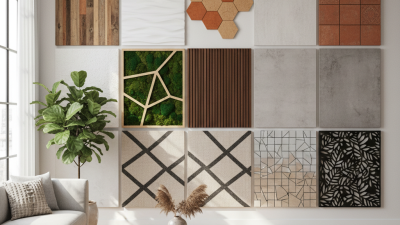
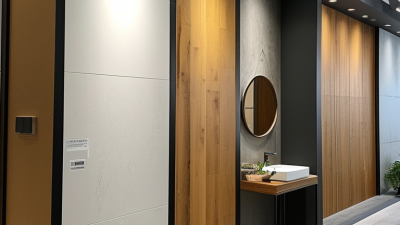
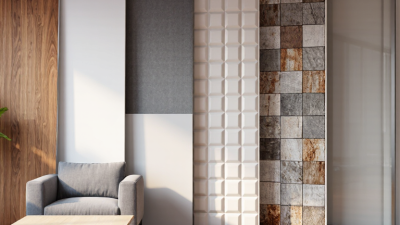
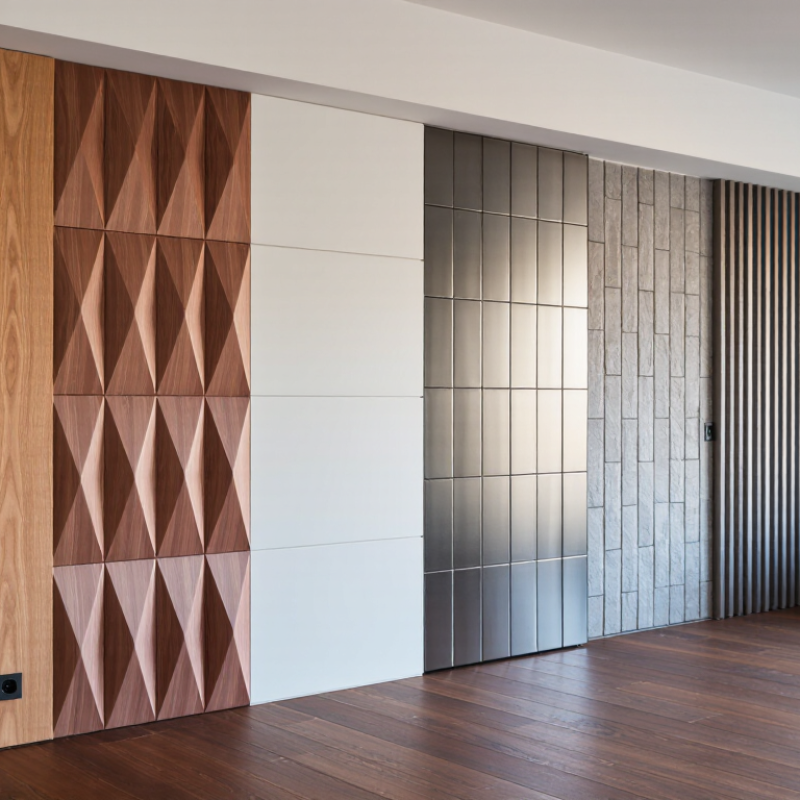
Wall panels can change the look and feel of a room while covering uneven surfaces or adding texture. The term includes several products, from solid timber boards and decorative MDF to PVC sheets, metal panels, stone veneer, and acoustic systems. Each type has different strengths. Some bring warmth and visible grain; others offer a smooth finish or help soften sound. Looks matter, but they are only part of the decision.
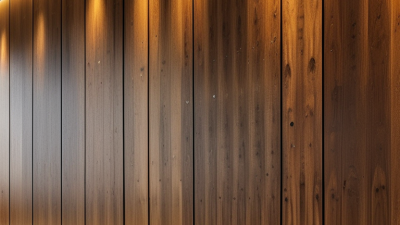
A panel that suits a dry living room may not be appropriate near a shower or sink. Before choosing, check its material, moisture rating, cleaning needs, and installation requirements. Very important. Product specifications can vary, even among panels that appear similar in a showroom. This guide explores common wall panel types and explains where each may work well, along with practical limits to consider. It also looks at surface finishes, panel shapes, and the difference between decorative and functional options. For example, a slatted wood design can add depth, while a tested acoustic panel may help manage echo in a busy room. Neither choice solves every problem. Room conditions, budget, maintenance, and the existing wall all matter. Installation details deserve attention, too; poorly prepared surfaces can affect the finished appearance and durability. There is no single best panel for every space. The right choice depends on what the room needs, not just what looks striking in a sample.
How Wall Panels Are Classified by Material and Construction
What Are the Different Types of Wall Panels?
How Wall Panels Are Classified by Material and Construction
Wall panels are commonly classified by their material and how they attach to a wall. Material groups include solid timber, plywood, MDF, particleboard, gypsum, metal, and plastic. Construction may be solid, layered, or made with a lightweight core and decorative surface. Installation systems also differ: panels can be fixed directly, mounted on battens, or clipped into modular tracks. The core matters. A thin decorative veneer over engineered wood behaves differently from a solid board, even when both look similar.
Moisture deserves attention with wood-based panels. The USDA Forest Products Laboratory’s Wood Handbook (FPL-GTR-282, 2021) places wood’s fiber saturation point at roughly 30% moisture content, with variation by species. Below that point, changes in moisture can cause shrinkage or swelling. This figure concerns wood, not every engineered panel, so check product specifications. Looks can deceive. A panel’s finish alone does not reveal its core, fire rating, or suitability for damp rooms.
Tips: Check the panel’s substrate, thickness, edge treatment, and fixing method before choosing. In a humid room, confirm the manufacturer’s moisture guidance and allow for ventilation. Classification labels can overlap, so ask what the panel is made of—not just what it resembles.
What Are the Different Types of Wall Panels? - How Wall Panels Are Classified by Material and Construction
| Panel type | Primary material | Typical construction | Common characteristics | Typical uses |
|---|---|---|---|---|
| Solid wood panels | Natural hardwood or softwood | Solid boards or joined timber sections, installed individually or as a panel assembly | Distinct natural grain; can be sanded and refinished. Wood responds to changes in humidity and may expand or contract. | Interior feature walls, wainscoting, and decorative rooms |
| Engineered wood panels | Plywood, medium-density fiberboard (MDF), or particleboard, often with a veneer or laminate finish | Wood fibers, strands, or layers are bonded into sheets; panels may be grooved, molded, or faced with a decorative surface | Consistent sheet dimensions and finish options; performance depends on the core and its resistance to moisture. | Interior walls, cabinetry surrounds, and decorative paneling |
| Gypsum board panels | Gypsum core faced with paper or a fiberglass mat | Flat sheets screwed or otherwise fastened to wood or metal framing; joints are typically taped and finished | Widely used as an interior wall finish; specialized formulations are available for moisture resistance or improved fire performance. | Interior partitions and ceilings |
| PVC and other plastic panels | Rigid polyvinyl chloride (PVC) or other polymers | Extruded hollow or solid profiles, or flat sheets; edges may interlock or attach to battens | Lightweight and easy to wipe clean; many types resist water, but heat resistance and impact strength vary by product. | Utility rooms, wash areas, and selected interior wet-zone applications |
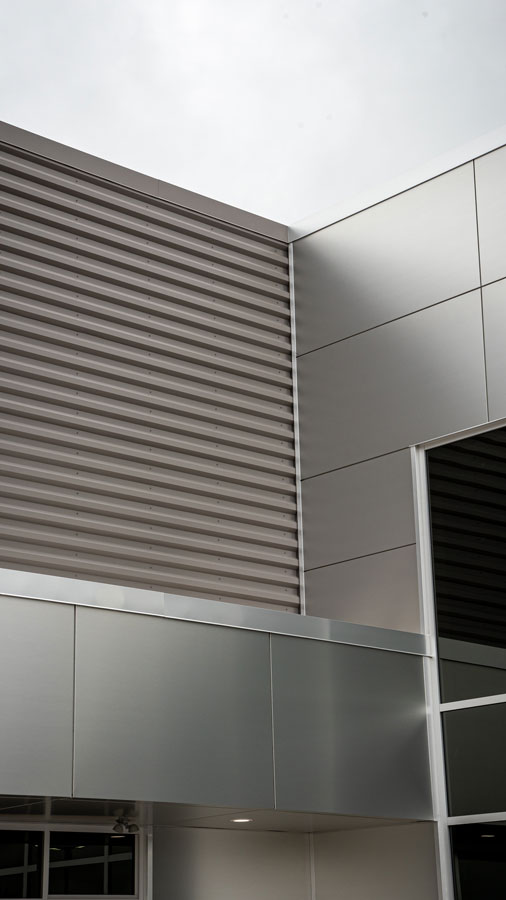
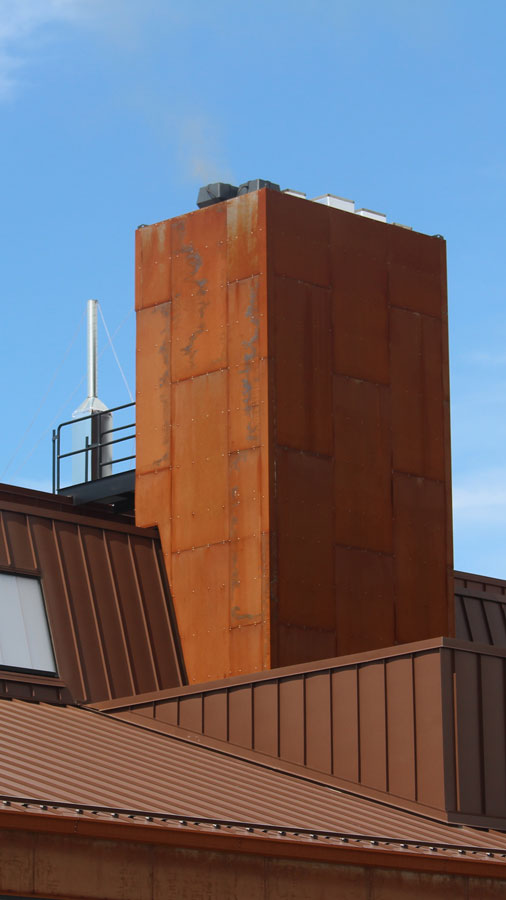
| Metal panels | Steel, aluminum, or other sheet metal, sometimes with a protective coating | Flat or profiled sheets fixed to framing; insulated versions may use metal facings around a rigid core | Durable and available in smooth or ribbed finishes; corrosion resistance depends on the metal, coating, and exposure conditions. | Commercial interiors, workshops, and building exteriors |
| Fiber-cement panels | Cement, mineral fillers, and cellulose or other reinforcing fibers | Factory-formed sheets or boards fixed to framing or a suitable substrate; joints are detailed for the intended exposure | Dimensionally stable and generally resistant to moisture and rot; heavier than many interior panel materials and requires appropriate cutting precautions. | Exterior cladding and damp-prone interior areas when specified for the application |
| Natural stone and stone veneer panels | Granite, slate, marble, limestone, or manufactured stone | Stone slabs or smaller facing pieces attached with mechanical anchors or a compatible setting system | Hard, visually varied, and often heavy; installation requirements depend on panel size, stone type, and supporting structure. | Feature walls, fireplaces, and selected exterior facades |
| Glass panels | Tempered or laminated safety glass | Large glazed sheets held in channels, frames, or point-fixing systems, depending on design and safety requirements | Transmits light and can visually open a space; safety glazing and suitable edge support are important. | Partitions, shower enclosures, and decorative wall features |
| Acoustic panels | Fabric-wrapped mineral fiber, glass fiber, foam, wood fiber, or perforated wood and metal | Porous or perforated face with an absorptive core or backing; mounted directly or with an air gap | Designed to absorb sound within a room; effectiveness varies with material, thickness, coverage, and installation. | Offices, classrooms, studios, and other spaces where reverberation needs to be controlled |
| Insulated sandwich panels | Two rigid facings, commonly metal, with a foam or mineral-wool core | Factory-bonded facing-core-facing assembly, often designed with interlocking edges | Combines a wall facing with insulation in one assembly; thermal, fire, and structural performance depend on the panel system and its tested specification. | Industrial buildings, cold-storage facilities, and some commercial enclosures |
Panel suitability depends on the installation location, substrate, moisture exposure, fire requirements, and local building codes. Always follow the panel system’s installation instructions.