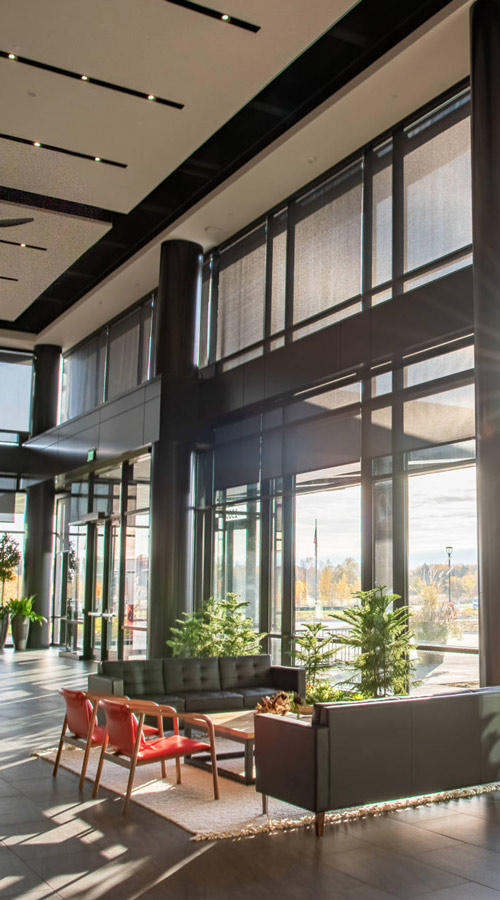
What Are the Top 10 Types of Wall Panels?
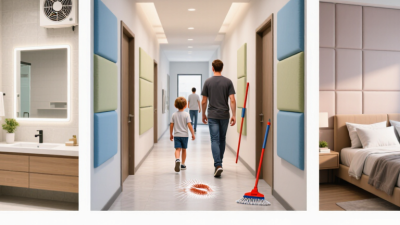
Wall panels do more than cover a bare wall. They can add texture, protect surfaces, soften sound, or make a room feel warmer. The right option depends on where it will be installed, how the room is used, and how much upkeep you can manage. A busy hallway may benefit from a durable, wipeable finish, while a bedroom might call for a softer look or better sound absorption. Appearance matters, but it is only part of the decision.
This guide introduces ten common types of wall panels, including wood, MDF, PVC, acoustic, 3D, stone veneer, metal, glass, laminate, and composite panels. Each brings different strengths, costs, and installation needs. Some suit damp spaces better than others, but product specifications still matter; a material name alone does not guarantee performance. No panel is perfect. A glossy surface may show fingerprints, and a textured finish can collect dust. That trade-off is easy to miss in a showroom. Consider the wall beneath the finish, too: uneven surfaces, moisture, and fixing methods can affect the result. The sections ahead compare practical uses and limitations, helping you narrow the choices before buying. A sample viewed beside your actual lighting and furnishings can reveal details that photographs hide.
Wood and MDF Wall Panels
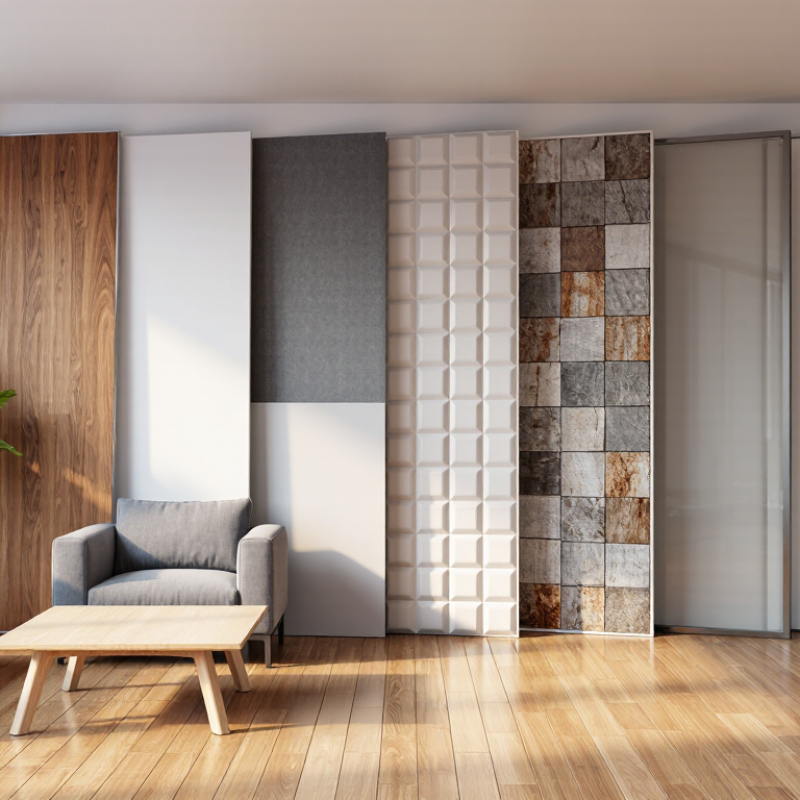
Wood and MDF wall panels can both add depth to a room, but they behave differently. Solid wood shows natural grain, knots, and color variation, so each board has its own character. It can be stained or sealed to suit a space, though seasonal humidity may cause slight movement. Leave an expansion gap at edges, and let the boards adjust to the room before installation.
MDF panels are made from compressed wood fibers and typically have a smooth, consistent surface. That makes them useful for painted designs, routed grooves, and clean geometric patterns. They are often easier to cut evenly than natural wood, but edges need careful sealing before paint. A damp cloth is usually fine for cleaning; standing water is not. Not everywhere.
The wall itself deserves attention. Check for bumps, loose plaster, or signs of moisture before fixing panels in place, since uneven surfaces can make joints look crooked. Choose panel thickness and fixing method based on the wall and the finished weight. For example, a narrow MDF strip may suit a bedroom feature wall, while a heavier wood assembly needs secure support. There is no perfect material: MDF can feel less distinctive, and wood may need more upkeep. That trade-off is easy to underestimate.
10 Types of Wall Panels: Typical Thickness
Compare representative thicknesses for popular wood, MDF, and other wall panel styles.
Thicknesses are common example specifications, not fixed standards; actual products vary by manufacturer and design.
PVC and Vinyl Wall Panels
PVC and vinyl wall panels suit rooms where wipe-clean surfaces matter. They resist moisture, so they are often used in bathrooms, laundry areas, and utility spaces. A damp cloth removes many everyday marks. Their light weight can also make handling easier than moving ceramic tile. However, not every panel is waterproof at its joints, and a glossy finish may look artificial under bright lights.
The Vinyl Institute’s 2022 Recycling Progress Report reported 1.1 billion pounds of vinyl recycled in North America in 2021. That figure covers vinyl products broadly, not wall panels alone. It does not mean every panel can be recycled locally. Check local collection options and product documentation before treating recyclability as a benefit. One honest drawback: low-cost panels can feel thin, especially on uneven walls.
Tips: Check the panel’s fire-test documentation and installation instructions before buying. Prepare a flat, dry substrate, seal joints where the manufacturer specifies, and leave the required expansion gap. For a small test, install a sample near a window; color and surface texture can look different in daylight.
| Wall Panel Type | Typical Material | Key Characteristics | Common Applications | Important Considerations |
|---|---|---|---|---|
| PVC Wall Panels | Rigid polyvinyl chloride (PVC) | Lightweight panels with a nonporous surface; many products are designed to resist moisture and are easy to wipe clean. | Bathrooms, laundry rooms, utility areas, and other interior spaces where moisture is a concern. | Check the product’s fire rating and installation instructions. Seal joints as specified, and do not assume every PVC panel is suitable for a shower enclosure. |
| Vinyl-Faced Wall Panels | Vinyl surface bonded to a panel core, such as gypsum or composite board | The vinyl face provides a cleanable finish, while the core contributes stiffness. These panels are available in different textures and colors. | Healthcare, education, commercial interiors, and other spaces that require cleanable wall surfaces. | Vinyl-faced panels are not necessarily solid PVC panels. Confirm the core, edge treatment, cleaning guidance, and suitability for damp locations. |
| Wood Panels | Solid wood, plywood, or wood veneer | Offer a natural grain and can be stained or finished in a range of ways. Panel construction varies from thin veneers to solid boards. | Living rooms, offices, bedrooms, and feature walls. | Wood can expand or contract with changes in humidity. Use an appropriate finish and allow for movement during installation. |
| MDF Panels | Medium-density fiberboard | Provide a smooth, consistent surface that can be painted or machined into decorative profiles. | Interior feature walls, wall trim, wainscoting, and decorative panel layouts. | Standard MDF can swell if exposed to moisture. Use moisture-resistant grades only where appropriate, and protect cut edges as directed. |
| Gypsum Wall Panels | Gypsum core with paper or other facing | Common interior wall panels with a smooth surface that can be finished with paint, wallpaper, or other coverings. | Interior walls in homes, offices, and many other buildings. | Standard gypsum panels are not waterproof. Select specialty products where required and follow local fire, moisture, and installation requirements. |
| FRP Panels | Fiberglass-reinforced plastic | Have a durable, washable surface and are often used where frequent cleaning is needed. | Commercial kitchens, food-preparation areas, washrooms, and utility spaces. | Installation typically requires compatible adhesives or fasteners and properly finished joints. Confirm that the product meets the space’s fire and hygiene requirements. |
| Metal Panels | Aluminum, steel, or other metals | Create a contemporary finish and may be made with smooth, textured, or formed surfaces. | Commercial interiors, accent walls, and selected residential feature areas. | Consider sharp edges, glare, sound reflection, corrosion protection, and the panel’s thermal and fire performance. |
| Acoustic Panels | Fabric-wrapped absorptive core, wood, or perforated materials with backing | Designed to absorb sound and reduce room reverberation; performance depends on the panel’s construction and installation. | Offices, classrooms, meeting rooms, studios, and home theaters. | Acoustic panels do not necessarily block sound from passing between rooms. Check tested acoustic ratings and required coverage for the space. |
| 3D Decorative Panels | PVC, gypsum, MDF, wood, or other molded materials | Use raised or sculpted patterns to add depth and visual texture to a wall. | Feature walls in living areas, reception spaces, and retail interiors. | Raised surfaces can collect dust and may be harder to clean. Confirm the material, finish, and suitability for the intended location. |
| Fiber-Cement Panels | Cement, cellulose fibers, and other mineral components | Rigid panels used in some interior and exterior applications; product formulations and finishes vary. | Exterior cladding and selected interior areas when the product is approved for that use. | Follow the manufacturer’s cutting, fastening, joint, and weatherproofing instructions. Cutting may create respirable dust, so use required safety controls. |
WPC and Fabric Wall Panels
WPC panels combine wood fibers and plastic, creating a textured surface with better moisture tolerance than many untreated timber options. They can suit entryways, dining areas, and bathrooms when the product is rated for damp conditions. Not every WPC panel belongs near a shower. Temperature changes can cause expansion, so installers should follow the recommended spacing and use a flat, dry substrate. The finish may look convincing, though it can feel less natural up close.
Fabric wall panels soften a room’s sound and add warmth. Upholstered sections work well behind beds or in reading corners, where their woven texture feels inviting. They are not soundproof; results depend on the backing, thickness, and room layout. Dust and spills matter. Removable covers or cleanable fabric can be practical in busy homes. Still, I would not trust a screen image alone. Colors may shift under the room’s actual lighting.
Tips: Check wall moisture and product specifications before buying. Keep fabric panels away from persistent dampness, and leave access to outlets. A small sample helps. Seams can look uneven across a long wall, so review the layout before fixing panels in place.
Acoustic and Stone Wall Panels
Acoustic wall panels can make a room feel calmer, but they do not block all outside noise. Many use porous materials that absorb some sound reflections, reducing the sharp echo of voices in a kitchen or meeting room. Their effect depends on panel thickness, coverage, and placement. Placement matters. A few panels behind a sofa may soften speech, while a bare ceiling and hard floor can still keep a room lively. Check product test data and installation guidance rather than relying on appearance alone.
Stone wall panels bring a different quality: visible texture, lasting color, and a cool, solid surface. Natural stone varies from slab to slab, so samples help reveal changes in veining and tone. Stone is not light. Confirm that the wall and fixings can support its weight, especially for large panels. In damp rooms, ask how the stone and joints should be sealed and maintained; care needs differ by material.
Using acoustic and stone panels together can balance sound control with a tactile feature wall. For example, stone might frame a fireplace, while fabric-wrapped acoustic panels sit across from it. Leave enough absorbing surface to matter, and plan edges and transitions before installation. It is easy to overestimate what decorative panels can do. A small test area can expose awkward reflections or a color mismatch before the full wall is finished.
Metal and Glass Wall Panels
What Are the Top 10 Types of Wall Panels?
Metal and Glass Wall Panels
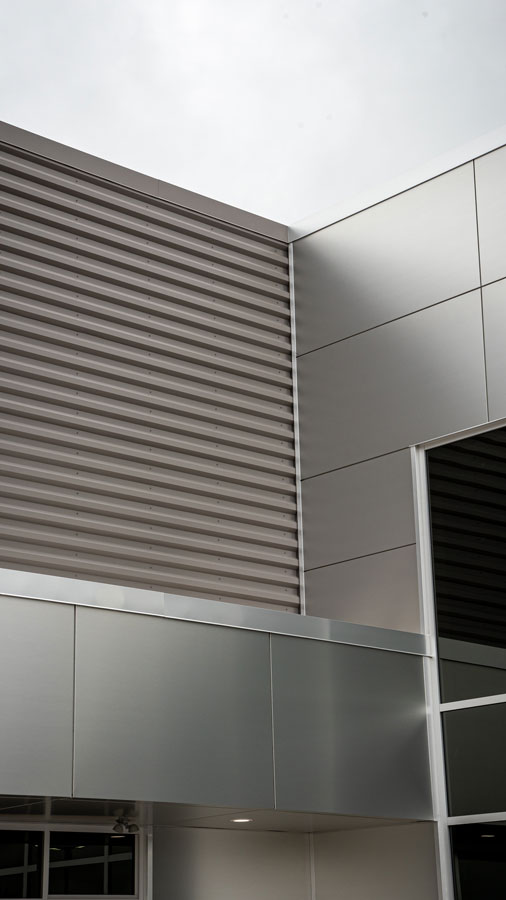
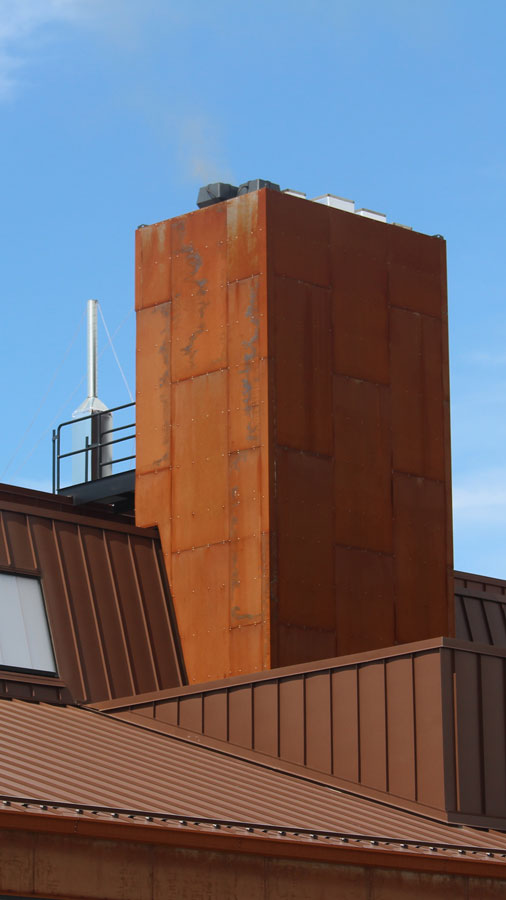
Metal and glass panels create a crisp, contemporary finish, but they behave differently in daily use. Metal panels are lightweight and easy to wipe clean. They suit busy corridors, kitchens, and commercial interiors. Their surface can dent or show scratches under harsh lighting. Glass panels reflect light and make compact rooms feel more open. Fingerprints show quickly, though, and glare can become tiring near windows.
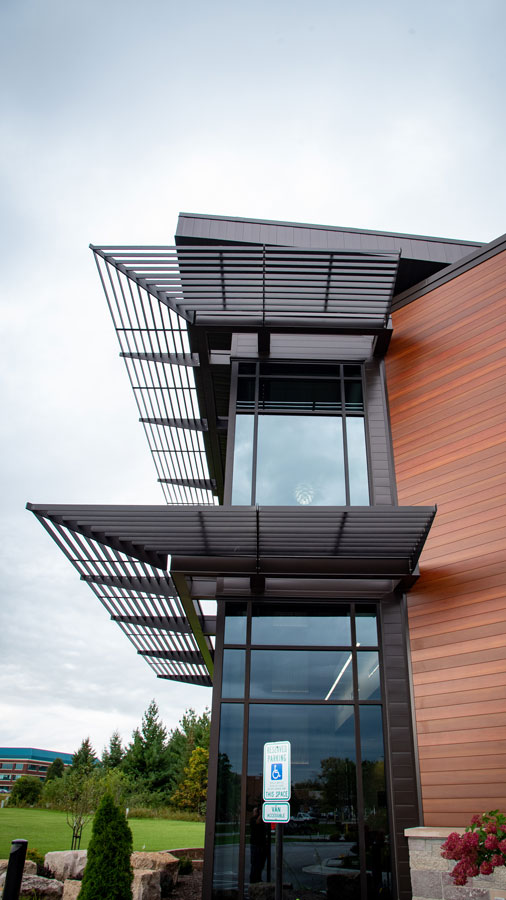
The material choice matters, but the whole wall assembly matters more. The UNEP 2024 Global Status Report for Buildings and Construction estimates that buildings and construction account for 32% of global energy use and 34% of energy-related CO2 emissions. Those figures do not measure wall panels alone. They do underline why exterior-panel choices should consider insulation, air sealing, and solar heat gain. For glass, check thermal performance and glare control. For metal, ask how the backing and joints limit heat transfer. Small details matter.
Tips: Request a sample and view it in the room’s actual lighting. Check panel edges, seams, and cleaning instructions. One easy mistake is choosing by appearance alone; even a beautiful reflective surface may feel cold or too bright after installation. Test before committing.
Related Posts
-
How to Choose the Best Wall Panels in 2026?
-
Best Wall Sheet Types for Global Buyers in 2026?
-
10 Best Wall Panels to Transform Your Space in 2023
-
How to Choose Wood Veneer Wall Panels for Global Projects?
-
How to Choose the Best Wall Sheet Supplier?
-
What is Stainless Steel Wall Panels and Their Benefits?