


How to Choose the Best Wall Panels in 2026?
Choosing the best wall panels in 2026 requires more than matching a color to your sofa. Material performance matters. So does installation.
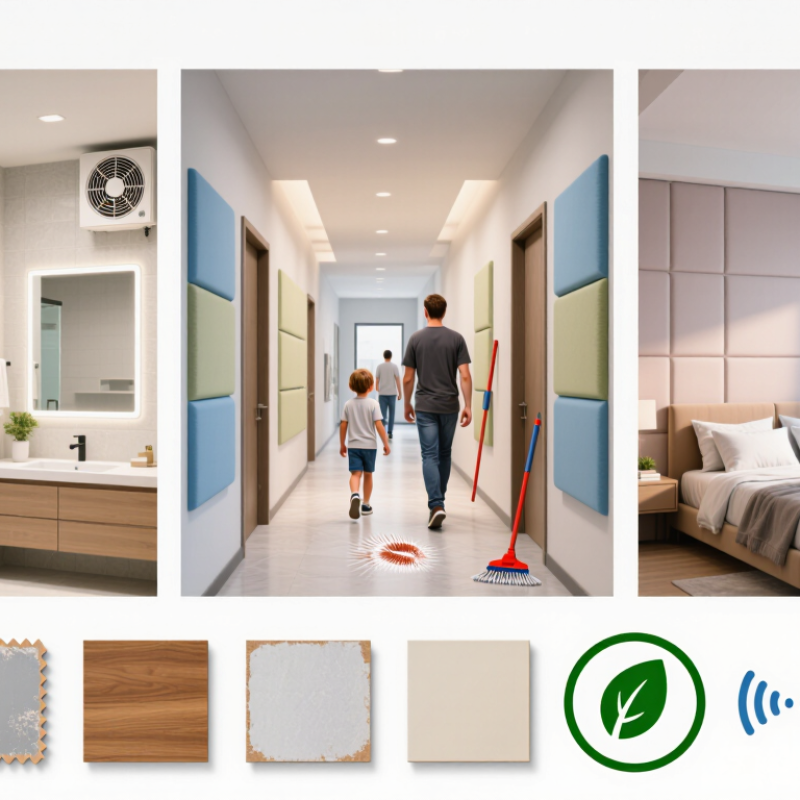
A realistic choice begins with the room itself. A steamy bathroom needs moisture-resistant panels, sealed joints, and dependable ventilation. A busy hallway needs a surface that resists scratches, fingerprints, and repeated cleaning. In a bedroom, acoustic backing may reduce echoes and create a calmer atmosphere. Samples help reveal details that online images often hide, including uneven texture, plastic-looking finishes, and difficult-to-match seams.
Renovation expert Mike Holmes captures the buying mindset with his familiar advice: “Make it right, not twice.” That principle suits wall panels especially well, because removing poorly installed panels can damage plaster, insulation, or wiring. Check fire-performance ratings, VOC information, warranty terms, and installation instructions before paying. Look for credible certifications, transparent manufacturer details, and documented testing. Local building requirements should also guide your decision.
Some choices remain imperfect. A low-cost panel may look attractive but age quickly under sunlight. A premium surface may last longer, yet exceed a sensible budget. Sustainability claims can sound impressive without explaining recycled content, adhesive safety, or end-of-life disposal. Ask harder questions. Hold the sample near a window. Touch the edge. Imagine cleaning it after five years. The best wall panels are not simply fashionable; they fit the room, the installer, and the way people actually live.
Wall Panel Types and Their Key Differences
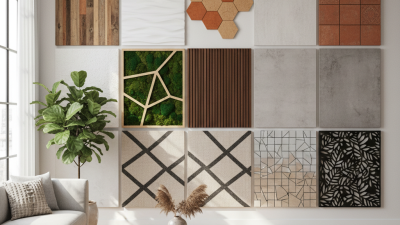
Wall panels differ in more than appearance. Wood veneer and MDF panels bring warmth, but they need careful moisture control. PVC panels resist water and clean easily, making them practical for bathrooms. WPC panels offer stronger impact resistance, although their recycled content varies by supplier. Acoustic panels use felt, mineral fiber, or perforated wood to reduce echo. Stone and ceramic panels provide high durability, but they add weight and demand stronger fixing systems. Grand View Research’s 2024 wall-panel analysis forecasts market growth of roughly 5% annually through 2030. That growth reflects wider use in residential, commercial, and renovation projects.
Performance should guide the choice. Check fire classification, water absorption, impact resistance, and indoor emissions before comparing colors. The U.S. Green Building Council highlights material transparency as an important part of healthier construction decisions. The UNEP Global Status Report 2024 states that buildings and construction consume 32% of global energy and produce 34% of global carbon dioxide emissions. A lightweight panel can reduce transport and installation demands. Not always. Its manufacturing process may still carry a high carbon cost.
Tips: Request technical sheets and sample pieces. Place samples beside windows and heating vents. Check joint alignment after one day. I have learned that “water-resistant” does not mean waterproof. Also, budget for trims, adhesives, repairs, and skilled installation. The cheapest panel often becomes expensive when edges swell or colors mismatch.
How to Choose the Best Wall Panels in 2026? - Wall Panel Types and Their Key Differences
| Wall Panel Type | Core Material | Typical Thickness | Moisture Resistance | Sound Absorption | Installation | Maintenance | Best-Suited Applications | Main Limitations |
|---|---|---|---|---|---|---|---|---|
| MDF Decorative Panels | Medium-density fiberboard with paint, veneer, or laminate finish | Typically 6–18 mm | Low to moderate; standard MDF should be kept dry | Low to moderate; slatted designs may improve reverberation control | Adhesive, screws, or concealed clips over a relatively flat wall | Wipe with a soft, slightly damp cloth; avoid standing water | Living rooms, bedrooms, offices, feature walls | Can swell if exposed to prolonged moisture; edges require careful sealing |
| PVC Panels | Rigid polyvinyl chloride, often hollow or cellular | Typically 5–10 mm | High when joints are correctly sealed | Low; hard surfaces generally reflect sound | Usually adhesive or interlocking profiles; lightweight and easy to cut | Simple cleaning with mild detergent and a non-abrasive cloth | Bathrooms, utility areas, kitchens, commercial back-of-house spaces | May soften or discolor under excessive heat; fire performance varies by product |
| WPC Panels | Wood fibers combined with thermoplastic polymers and additives | Typically 8–20 mm | Moderate to high, depending on formulation and edge protection | Low to moderate; profiled surfaces can reduce echo slightly | Adhesive, screws, battens, or interlocking systems | Low maintenance; clean with a damp cloth and mild detergent | Feature walls, hospitality interiors, covered semi-outdoor areas | Thermal expansion must be considered; not all products are suitable for exterior exposure |
| Solid Wood Panels | Natural timber boards, slats, or edge-glued wood panels | Typically 12–25 mm | Moderate indoors when sealed; vulnerable to humidity changes | Moderate; backing cavities and mineral-wool infill can improve performance | Nails, screws, clips, or a batten framework | Dust regularly and renew protective finish as needed | Premium residential interiors, restaurants, offices, reception areas | Higher cost; can expand, contract, stain, or require refinishing |
| PET Acoustic Panels | Compressed polyethylene terephthalate fiber, often partly recycled | Typically 9–24 mm | Moderate; suitable mainly for dry interior environments | High when correctly spaced or combined with an air gap | Adhesive, screws, clips, or suspended systems | Vacuum or gently brush; spot-clean according to manufacturer guidance | Open-plan offices, studios, classrooms, home theaters | Not intended as a waterproof wall finish; acoustic results depend on coverage and placement |
| Natural Stone Veneer Panels | Thin stone adhered to a reinforced backing or engineered substrate | Typically 10–30 mm | Moderate to high after suitable sealing; porous stones need additional care | Low; dense surfaces provide little sound absorption | Mechanical fixing or compatible construction adhesive; substrate preparation is important | Dust and clean with stone-safe products; reseal when required | Fireplace surrounds, feature walls, hospitality and commercial interiors | Heavy compared with polymer panels; higher installation cost and structural-load considerations |
| Ceramic or Porcelain Panels | Fired clay-based ceramic or dense porcelain body with glazed or printed surface | Typically 6–12 mm | High when properly installed and grouted | Low; hard, reflective surface | Thin-set mortar, approved adhesive, and carefully prepared substrate | Highly resistant to stains; clean with non-abrasive products | Wet rooms, kitchens, healthcare, retail and high-traffic areas | Cutting and alignment require skill; grout joints may need periodic cleaning |
| Gypsum-Based Panels | Gypsum core with paper, fiberglass, or decorative surface finish | Typically 9.5–15 mm | Low to moderate; moisture-resistant grades are available for specific interiors | Moderate as part of a complete wall assembly; limited as a thin decorative layer | Screws, joint compound, adhesive, or a metal-stud system | Painted surfaces are easy to refresh; protect joints from moisture | Partitions, ceilings, offices, residential renovations | Can be damaged by impact or water; finishing and joint treatment take time |
Related Posts
-
10 Best Wall Panels to Transform Your Space in 2023
-
What is the Best Wall Panels for Your Home or Business?
-
2026 Top Wall Panel Types What Should Global Buyers Choose?
-
How to Choose the Best Wall Sheet Supplier?
-
Top 2025 Trends in Wall Sheets: What You Need to Know for Home Decor
-
How to Choose the Right Wall Sheet for Your Home Decor?