What is the Best Wall Panels for Your Home or Business?
When it comes to transforming spaces, wall panels play a pivotal role. Whether for a home or a business, these panels provide aesthetic and functional benefits. With a variety of materials and styles available, choosing the right option can be challenging.
Wall panels can enhance insulation and improve acoustics. Many options are versatile and easy to install. However, there is no one-size-fits-all solution. Different environments call for different approaches. The right choice depends on various factors, including design preferences and functional needs.
While some panels may look appealing, durability is another consideration. It is essential to balance style with practicality. Reflecting on personal taste and specific requirements can lead to informed decisions. The objective is not just to cover walls but to create an atmosphere that resonates with your vision. In the quest for the best wall panels, the journey requires thoughtful evaluation and open-mindedness.
Types of Wall Panels: An Overview for Home and Business Applications
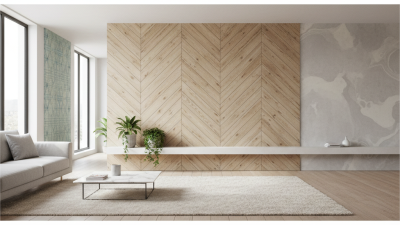
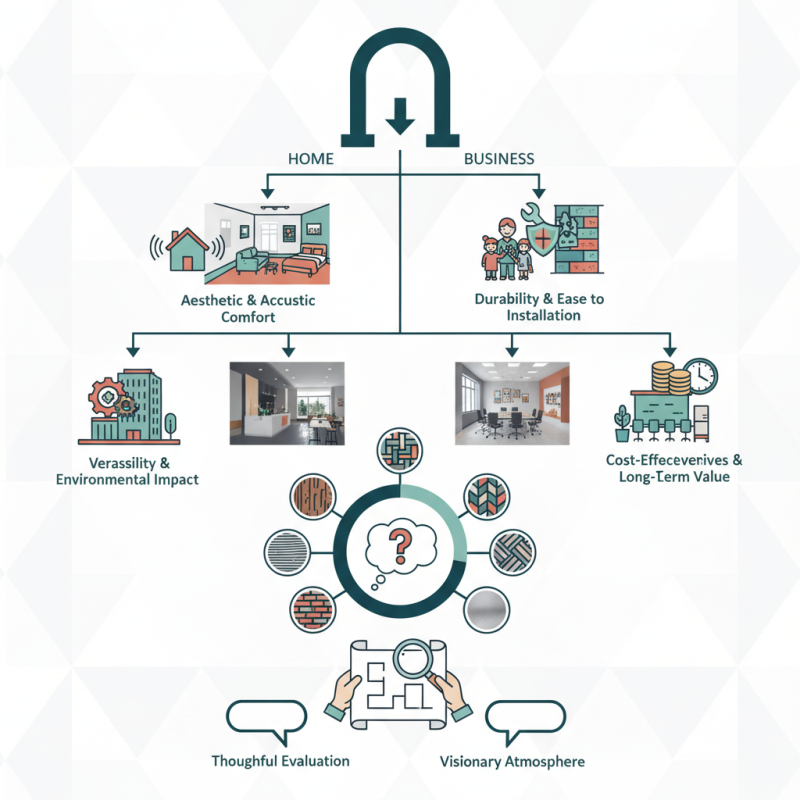
When selecting wall panels for your space, it's essential to understand the different types available. Wood panels offer a classic look, bringing warmth to any room. Their natural texture can enhance a rustic or modern aesthetic. However, they require maintenance to prevent warping or damage.
Consider whether you want a sustainable choice or if aesthetics are your top priority.
Vinyl wall panels are a practical alternative. They are water-resistant and easy to clean. This makes them perfect for high-traffic areas or businesses. Their versatility allows for a range of designs, from sleek and modern to bright and colorful. However, some may find vinyl panels less appealing as they can lack the warmth of natural materials.
Another option is acoustic panels, designed to reduce noise. They are beneficial for offices and other commercial spaces. Though very effective, they may require additional planning for installation. Think about your specific needs and preferences. Every choice has its pros and cons, and it's essential to reflect on what matters most for your home or business.
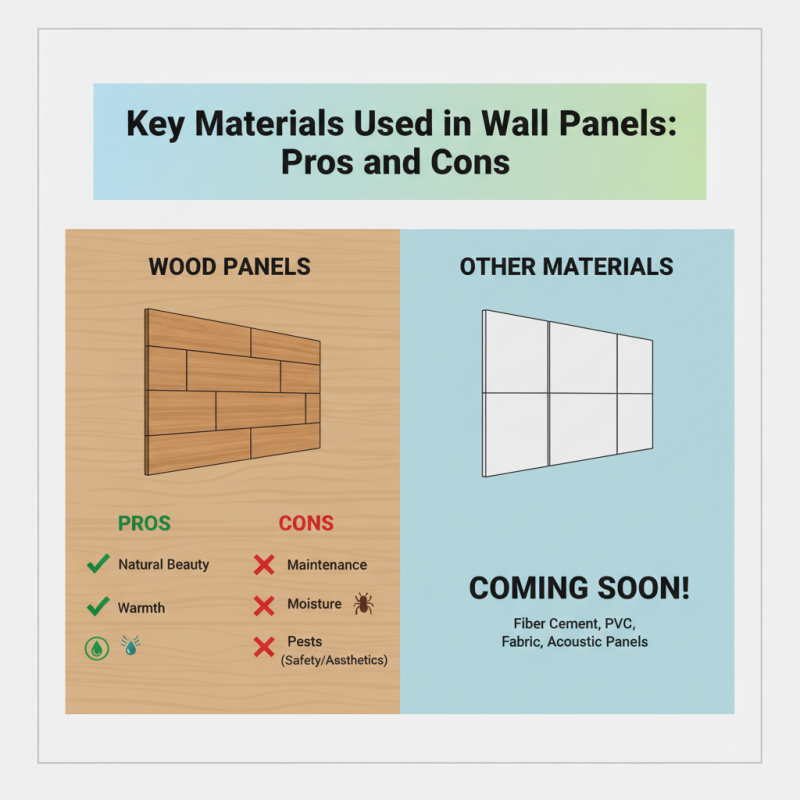
Key Materials Used in Wall Panels: Pros and Cons
When choosing wall panels for your home or business, material selection plays a crucial role. Each type of wall panel comes with its own set of pros and cons. For example, wood panels provide natural beauty and warmth. However, they require regular maintenance to prevent warping and moisture damage. One hidden downside is the potential for pests, which can compromise safety and aesthetics.
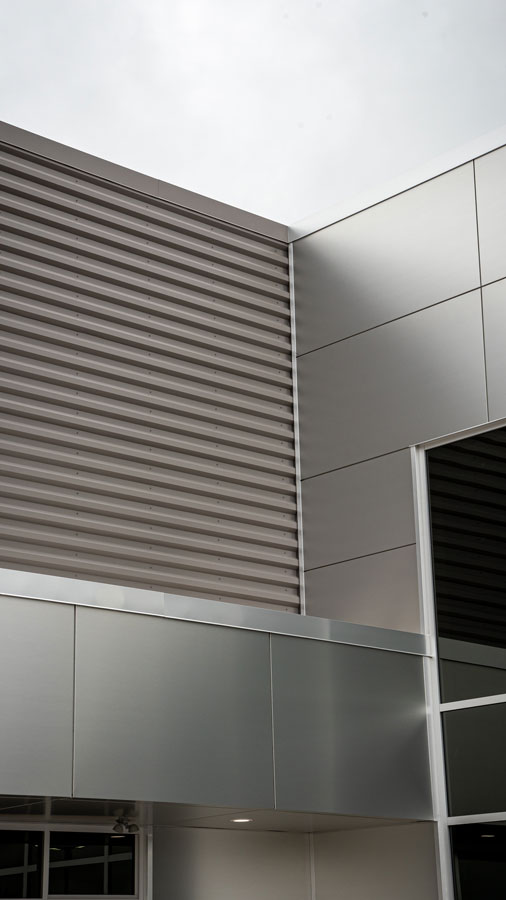
On the other hand, metal panels are durable and fire-resistant. They offer a sleek, modern look. Yet, they can be cold to the touch and may not provide the same insulation as other materials. Additionally, metal can dent easily under impact, so careful consideration is required. Vinyl panels are also popular; they are lightweight and easy to install. A drawback, though, is their tendency to fade with prolonged sun exposure, which affects appearance over time.
Exploring these options deeply can help make a more informed choice. Think about your specific needs, like insulation and aesthetics. This reflection allows you to select materials that match your vision while weighing practicality. Understanding each material's potential challenges will guide you toward the best decision for your space.
Factors to Consider When Choosing Wall Panels for Your Space
When selecting wall panels for your space, it’s crucial to evaluate various factors. The aesthetics of your room play a significant role. Think about your existing decor and the overall theme you wish to achieve. A sleek, modern look may benefit from smooth finishes, while a rustic style could pair well with textured surfaces. Color choices also matter. Lighter colors can make a space feel larger, while darker shades add warmth.
Durability is another key consideration. High-traffic areas, like hallways or children's rooms, require panels that can withstand wear and tear. Look for materials that resist scratches and stains. Moisture resistance is also vital, especially in areas like bathrooms or kitchens. Treatments or natural materials can help with this.
Finally, don’t ignore installation complexity. Some wall panels are easier to install than others. If you plan to do it yourself, choose options that fit your skill level. Reflect on your long-term plans too. Will the panels suit future renovation ideas? Engaging in this thought process will help you make a more informed decision.
What is the Best Wall Panels for Your Home or Business?
| Material |
Durability |
Cost per Square Foot |
Ease of Installation |
Sound Absorption |
Aesthetic Appeal |
| PVC Panels |
High |
$1 - $3 |
Easy |
Moderate |
Modern |
| Wood Panels |
Moderate |
$5 - $15 |
Moderate |
High |
Classic |
| Gypsum Board |
Moderate |
$0.50 - $2 |
Easy |
Low |
Neutral |
| Metal Panels |
Very High |
$3 - $8 |
Difficult |
Moderate |
Industrial |
| Acoustic Panels |
High |
$4 - $12 |
Easy |
Very High |
Stylish |
Installation and Maintenance Tips for Different Wall Panels
When selecting wall panels, consider installation and maintenance carefully. Your choice influences the
aesthetic and functionality of the space. Understanding different materials
is crucial. For instance, wood panels need sealing to prevent moisture damage. Regular inspections are
necessary to catch issues early, like cracks or warping.
Here are some useful tips. Choose panels that match your environment. In high-humidity areas, opt for
moisture-resistant materials. Always follow the manufacturer's instructions during installation.
Ensure all tools are appropriate for the job. Missing a step can lead to structural problems later.
Maintenance often gets overlooked. Clean panels regularly with appropriate solutions to avoid
staining. Dust buildup can lead to more significant issues. Take a moment to
assess the panels every year. Watch for signs of wear or fading. Addressing small problems now can prevent
costly repairs later.
Cost Analysis: Budgeting for Wall Panels in Your Project
When budgeting for wall panels, it's vital to consider materials and installation costs. Each type of panel has its pricing structure. Wooden panels, for instance, may require additional treatments. They offer warmth but can strain your budget if not planned well. On the other hand, synthetic options often provide a more economical solution. Their versatility can suit various styles, helping you find the best fit for your project.
Don't forget to factor in labor costs. Hiring professionals ensures quality, especially for intricate designs. Yet, this can add significantly to the overall expense. Some may choose to DIY. This route may save money but can lead to unexpected challenges and mistakes. Researching the installation process is crucial to avoid costly rework.
Also, consider long-term durability. Cheaper options may need replacement sooner, impacting future budgets. Investing in quality can save money down the line. It's worth assessing warranties and maintenance requirements. Understanding how these factors play into your overall budget can lead to better decision-making.
Cost Analysis of Wall Panels for Your Home or Business