10 Best Metal Roof Panels for Global Buyers
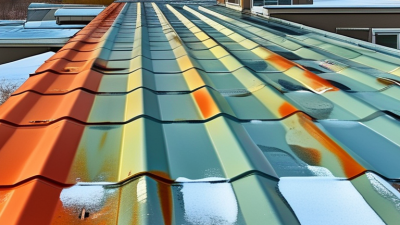
Choosing the right metal roof panels is more complex than comparing prices and colors. Global buyers must consider climate, building design, transport costs, and local installation practices. A panel that performs well in a dry inland region may struggle near saltwater or beneath heavy snow. Small details matter, including panel thickness, seam design, coating quality, and fastener compatibility.
This guide examines ten strong metal roof panels for international projects. The selection considers steel, aluminum, zinc, and coated materials used in residential, commercial, and agricultural buildings. It also reviews wind resistance, corrosion protection, thermal movement, drainage, and expected service life. Real purchasing decisions often begin with a sample panel, a technical datasheet, and a conversation with an experienced installer. Certifications and warranty terms should be checked carefully, because names and testing requirements differ between markets.
No single panel fits every buyer. That is worth remembering. A lightweight aluminum system may suit a coastal warehouse, while a heavier steel profile may better serve a snowy industrial roof. I may favor long-term durability over the lowest initial cost, but budget limits remain real. Supplier reliability can also vary, even when product photographs look convincing. Buyers should confirm factory capacity, coating specifications, packaging methods, replacement policies, and delivery records before ordering. The following comparison offers practical guidance, not a perfect answer. It helps readers ask sharper questions, avoid preventable mistakes, and choose metal roof panels with greater confidence.
Types of Metal Roof Panels for Different Building Needs
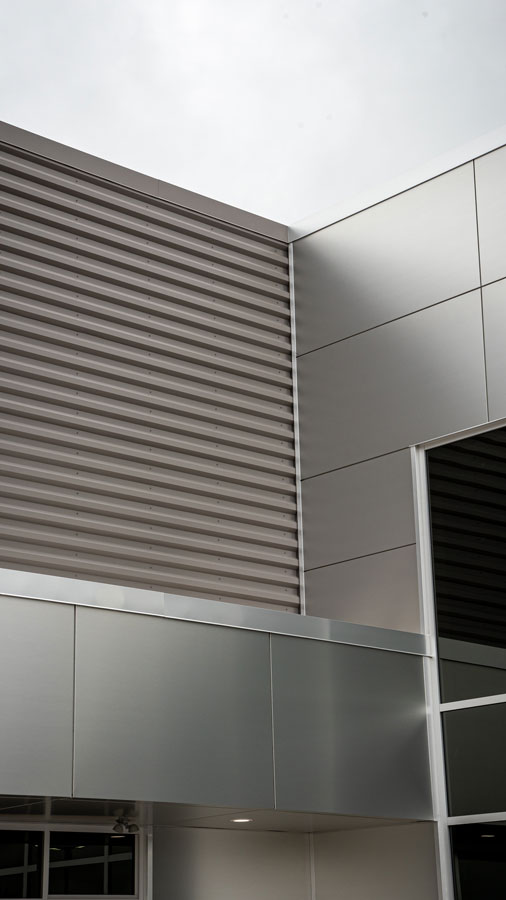
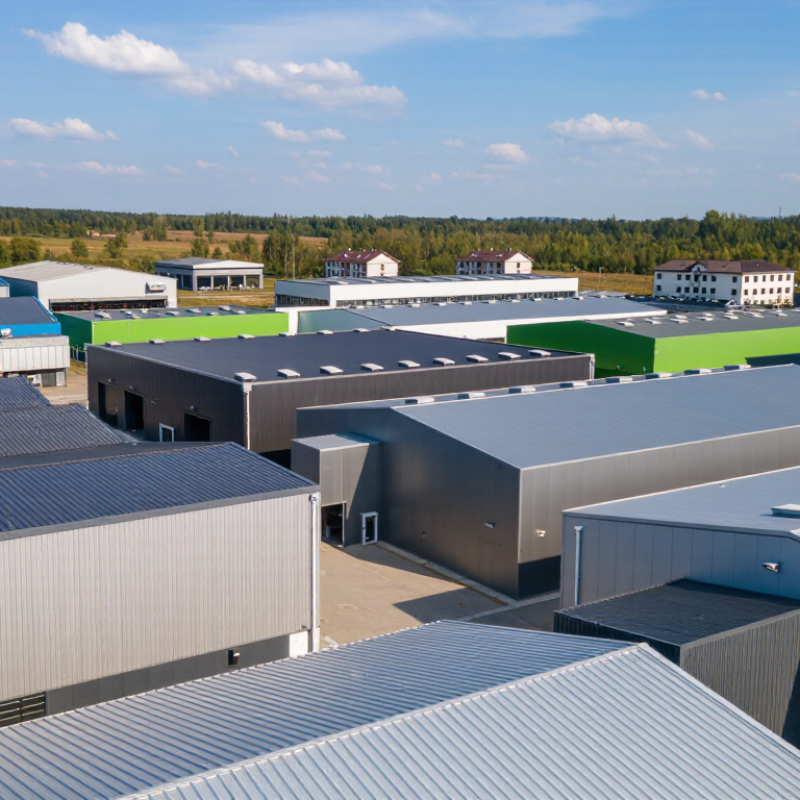
Metal roof panels suit different buildings, climates, and installation budgets. Corrugated panels offer practical coverage for warehouses, agricultural buildings, and small workshops. Their exposed fasteners simplify installation, but washers need regular inspection. Standing-seam panels provide concealed fastening and cleaner drainage for offices, homes, and coastal projects. Thermal movement still requires careful detailing.
Insulated sandwich panels combine outer metal skins with a rigid core. They help control heat flow in factories, cold rooms, and commercial buildings. The U.S. Department of Energy reports that reflective roofing can reduce cooling costs by up to 15% in suitable buildings. However, panel color alone cannot solve poor ventilation or weak insulation. Start with the building.
Aluminum panels resist corrosion well near saltwater and remain relatively light. Galvanized or coated steel panels usually offer stronger impact performance and broader availability. Copper panels can serve heritage or premium architectural work, but their cost and changing surface color require agreement with the owner. World Steel Association data indicates that more than 650 million tonnes of steel are recycled globally each year, supporting steel’s circular-use potential. Yet recycling does not excuse careless specification. A recurring mistake is choosing a panel by appearance, then discovering condensation, wind uplift, or incompatible fasteners on site. Details matter.
Key Performance Factors for Comparing Metal Roofing Systems
When comparing the 10 best metal roof panels, look beyond appearance and price. Start with steel or aluminum grade, panel thickness, and protective coating. These details influence strength, corrosion resistance, and service life. A thin panel may reduce shipping costs, but it can dent more easily under hail or careless handling.
Weather performance matters greatly. Check tested wind-uplift resistance, snow-load capacity, fire classification, and temperature movement. Coastal projects need stronger corrosion protection than dry inland buildings. In hot regions, reflective finishes can reduce roof temperatures, although insulation and ventilation still control indoor comfort. Panel seams also deserve close attention. A concealed fastener system usually limits water entry, but poor installation can defeat good design.
On site, I inspect cut edges, flashing overlaps, screw placement, and drainage paths. Small errors often create larger repair costs. Ask for test reports, installation instructions, and coating specifications rather than trusting broad marketing claims. Compatibility matters too; dissimilar metals can accelerate corrosion around fasteners and flashings. Recycled content may support sustainability, but transport distance and replacement frequency also affect the real environmental cost. No panel performs best everywhere. That is an easy point to overlook. A balanced comparison should match the roof profile, local climate, building movement, maintenance access, and installer skill. I would also leave room for uncertainty, because actual exposure can be harsher than regional averages.
10 Leading Metal Roof Panel Options for Global Buyers
Global buyers need metal roof panels that match climate, building use, budget, and local standards. The right choice is rarely the cheapest one. In coastal regions, corrosion resistance deserves close attention.
Ten leading metal roof panel options include galvanized steel, aluminum, galvalume steel, stainless steel, zinc, copper, corrugated steel, standing seam panels, stone-coated panels, and insulated sandwich panels.
Galvanized steel offers practical strength for warehouses and farm buildings. Aluminum is lighter and performs well near saltwater. Galvalume steel provides a useful balance between cost and weather resistance. Stainless steel suits demanding industrial environments, although its higher price may limit large projects.
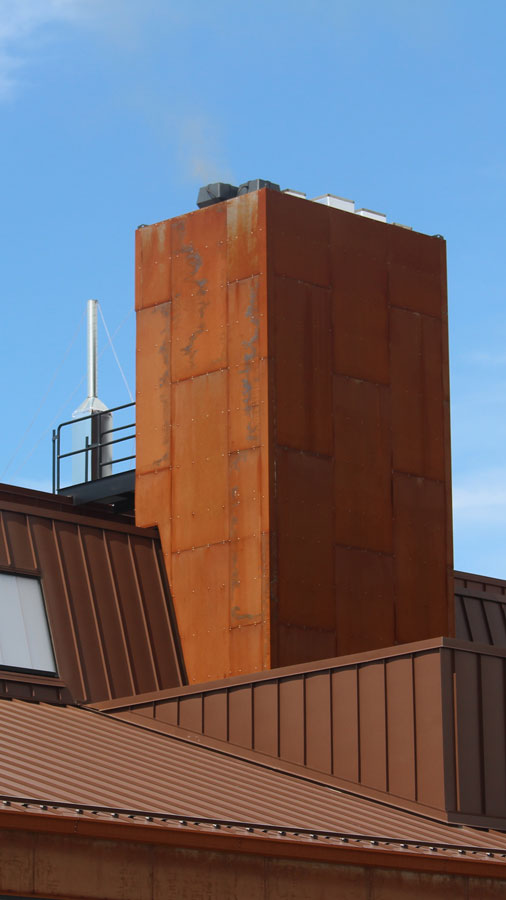
Zinc and copper develop distinctive protective surfaces over time. Their appearance changes naturally. Corrugated panels are economical and easy to install, while standing seam systems reduce exposed fasteners and improve water management. Stone-coated panels can add texture and reduce visual uniformity. Insulated sandwich panels combine roofing and thermal control, helping reduce heat transfer in many climates.
I have seen project plans fail because panel weight was ignored. Roof structure matters. Buyers should verify thickness, coating mass, wind ratings, fire performance, and warranty conditions before ordering. Local installers should also review expansion, drainage, and fastener compatibility. Product samples can reveal finish differences that photographs hide. Small details matter.@endsection
Installation, Maintenance, and Climate Suitability Considerations
Choosing among the 10 best metal roof panels requires more than comparing appearance and price. Installation conditions strongly affect service life. A suitable panel matches the roof slope, structural support, and local weather. Skilled installers check the substrate before placing underlayment and panels. They also use compatible fasteners, correct spacing, and sealed penetrations. Thermal movement needs room to occur. Small mistakes matter.
In humid coastal areas, corrosion resistance deserves close attention. Select protective coatings designed for salt exposure, and avoid mixing incompatible metals. In snowy regions, stronger profiles and secure fastening help manage heavy loads. Snow guards may protect entrances and lower roof edges. Hot climates need reflective surfaces, ventilation, and carefully planned expansion gaps. Intense rain also tests flashing details. Water usually enters through joints, not panel centers.
Maintenance remains simple, but it should not be ignored. Clear leaves from valleys and gutters before wet seasons. Rinse dust and salt with clean water, using non-abrasive tools. Do not drag equipment across the roof surface. During yearly inspections, look for loose fasteners, lifted edges, scratched coatings, and blocked drainage. A loose fastener can become a leak after several storms. Field inspections often reveal preventable problems. Still, no installation is perfect. Local workmanship and unusual weather can challenge even well-selected panels.
International Standards, Costs, and Supplier Selection Criteria
10 Best Metal Roof Panels for Global Buyers
International buyers should compare panels by performance, not appearance alone. Common choices include corrugated steel, standing seam, stone-coated steel, aluminum, zinc, copper, insulated sandwich panels, and concealed-fix systems. Each suits different climates and budgets. In coastal areas, aluminum or well-protected steel may resist salt exposure better. In snowy regions, structural capacity and seam design matter more than color.
Standards provide a useful checkpoint. Request material certificates, coating data, fire ratings, wind-load results, and dimensional tolerances. ASTM and EN references are common, but local building codes still control acceptance. ISO quality certification can support supplier evaluation, yet it does not replace product testing. A certificate is not proof by itself. Check its scope, issuing laboratory, and date. Field inspections often reveal small issues, such as uneven ribs or weak packaging.
Cost comparisons should include panels, trims, fasteners, insulation, freight, insurance, taxes, labor, and future maintenance. A low factory price can become expensive after ocean shipping and damaged edges. Supplier selection should include production capacity, minimum order quantity, lead time, export experience, and clear warranty terms. Ask for sample sections and recent test reports. Confirm steel thickness using an independent inspection when the order is large. I would also review communication speed and drawing accuracy. These details seem minor. They often decide whether installation is smooth or painfully slow.
10 Best Metal Roof Panels for Global Buyers
Indicative material-only price ranges for commonly traded metal roofing panel types. Actual prices vary by steel or aluminum grade, coating, thickness, order volume, freight, and local compliance requirements.
Supplier selection criteria: Confirm compliance with applicable standards such as ASTM A653/A792, EN 14782, EN 508-1, ISO 9223 corrosion categories, and local wind, snow, fire, and thermal-performance codes. Compare base-metal thickness, metallic coating mass, paint warranty, panel length limits, minimum order quantity, packaging, certifications, and delivered cost.