
10 Tips for Choosing Metal Roof Panels

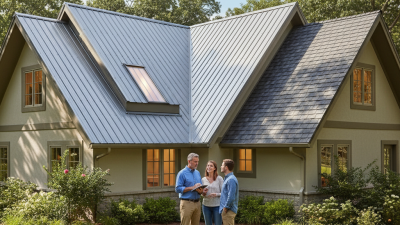
Choosing metal roof panels is not simply a matter of comparing colors, prices, or glossy product photographs. The right choice must match your building, climate, roof slope, budget, and installation conditions. A panel that performs well in Arizona may behave differently beneath heavy snow, coastal moisture, or strong winter winds. Small details matter. Panel thickness, protective coatings, seam design, fasteners, and drainage all influence long-term performance.

Mark Graham, former vice president of technical services at the National Roofing Contractors Association, offers a useful principle: “A roof is a system, not just a covering.” That idea should guide every decision in this article. Metal roof panels need compatible underlayment, properly spaced supports, reliable flashing, and careful installation. A durable panel can still fail when water is trapped around penetrations or screws are overtightened.

Look closely.

These 10 tips are designed to make selection more practical and less confusing. They explain how to compare steel and aluminum, evaluate coating warranties, understand gauges, and inspect profiles for your project. You will also see why local weather data and installer experience deserve attention. I have seen buyers focus heavily on appearance, then discover that the chosen panel was unsuitable for the roof pitch. That mistake is avoidable, although no checklist replaces professional judgment. Product claims can sound impressive, but independent testing, manufacturer documentation, and a qualified contractor provide stronger evidence. Take measurements carefully. Ask uncomfortable questions. A slightly imperfect decision process is still better than a rushed purchase based on price alone.
10 Tips for Choosing Metal Roof Panels

Define Your Roofing Needs, Climate Conditions, and Project Priorities

10 Tips for Choosing Metal Roof Panels

Define Your Roofing Needs, Climate Conditions, and Project Priorities

Tip: Start with the building, not the panel. Record the roof’s slope, measurements, existing damage, and drainage paths. A workshop may need impact resistance, while a home addition may prioritize appearance and noise control. I once underestimated delivery access, and the panels arrived too long for the narrow driveway. Measure twice, including unloading space.

Tip: Study your local climate closely. Heavy rain requires reliable overlaps and carefully sealed fasteners. In snowy regions, panel strength and snow retention deserve attention. Coastal air can accelerate corrosion, even when the roof looks clean. Choose a coating suited to moisture, salt, sunlight, and temperature changes. Ask a qualified roofing professional to review local conditions and manufacturer specifications.

Tip: Separate urgent repairs from long-term priorities. A low-cost panel may fit today’s budget but create higher maintenance costs later. Check expected service life, cleaning needs, installation requirements, and available replacement pieces. Metal expands and contracts. Allowance for movement matters. So does ventilation.

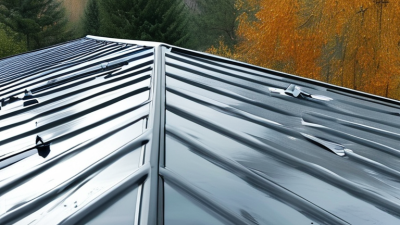
Tip: Compare panel profiles, not just colors. Raised seams can reduce exposed fasteners, while exposed-fastener panels may simplify certain agricultural repairs. However, installation quality often matters more than a premium appearance. This is where plans can fail.

Tip: Request written information about thickness, coating performance, wind resistance, fire classification, and warranty conditions. Treat broad promises carefully. Confirm whether the roof deck, flashing, underlayment, and labor are included. A sample panel under bright showroom lighting can mislead; inspect it outdoors, beside your actual walls and trim.

Compare Metal Types, Coatings, Profiles, and Panel Dimensions

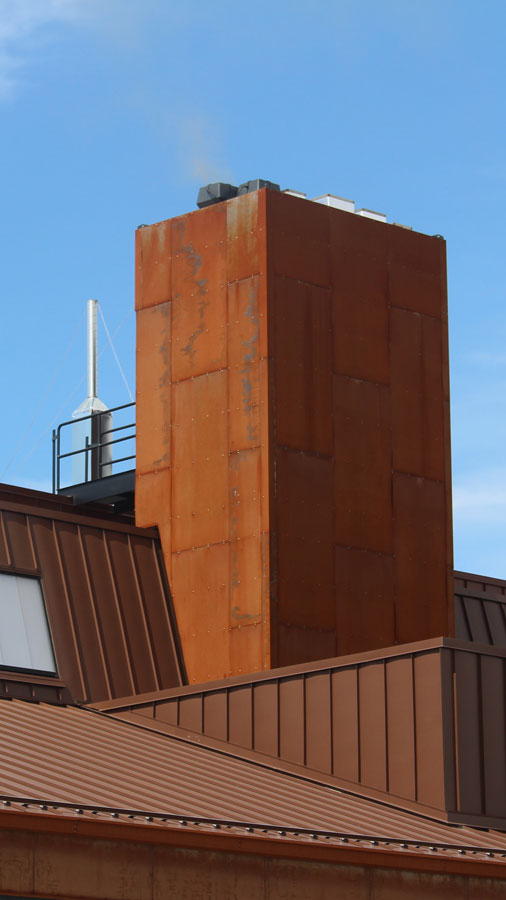
Choose the metal type according to climate, budget, and expected service life. Galvanized steel is strong and economical, while aluminum performs well near salty air. Zinc and copper can last for decades, but they require larger budgets and develop distinctive surfaces. Ask for the actual metal thickness, not only a strength claim. Thin panels may dent under falling branches or careless handling.

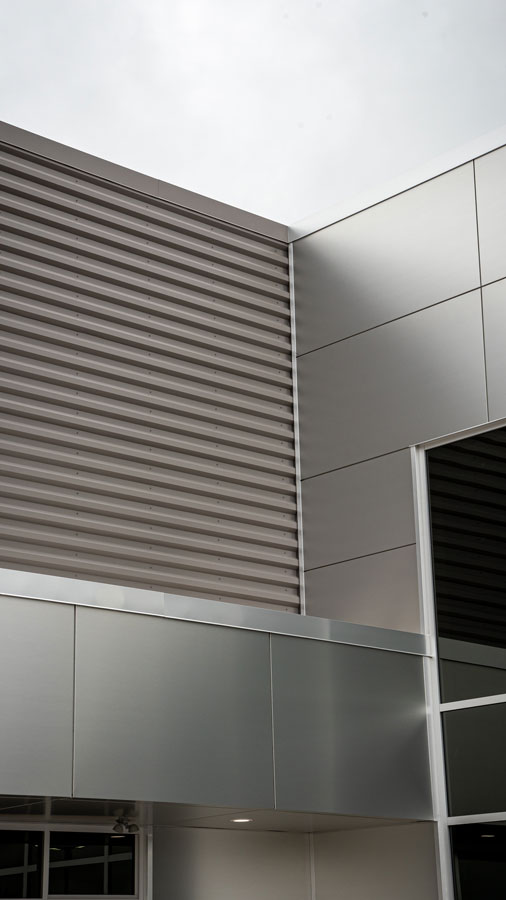
Coatings deserve close attention. Confirm the coating system, thickness, color stability, and warranty conditions. A protective finish can slow corrosion, but it cannot correct poor drainage. Panel profiles also affect performance. Deep ribs can improve stiffness and water movement. Standing-seam profiles conceal fasteners, while exposed-fastener panels simplify repairs. Each option has trade-offs. Do not choose by appearance alone.

Measure roof lengths carefully, including overlaps, eaves, and valleys. Custom-length panels can reduce seams, but transport and handling become harder. Account for thermal movement, especially on long south-facing slopes. Panel width affects installation speed and material waste. Check whether the dimensions suit the roof framing. A qualified installer should verify flashing, ventilation, fastener spacing, and local requirements before ordering. I once underestimated valley waste on a small roof. The mistake cost time and taught me to review every measurement twice. Ask for sample pieces, coating data, and written specifications before making the final selection.

Evaluate Durability, Energy Efficiency, Maintenance, and Weather Resistance

10 Tips for Choosing Metal Roof Panels

Durability starts with the panel’s material, thickness, and protective coating. In field inspections, I have seen thin panels dent more easily under hail and falling branches. Check published wind, impact, and corrosion ratings. Also inspect fasteners, seams, and flashing details. A strong panel can still fail when installation is careless. Tip: Ask for test data, not vague promises.

Energy efficiency depends on the entire roof assembly. Light-colored, reflective finishes can reduce summer heat gain, especially in sunny climates. However, reflectivity alone is not enough. Include insulation, ventilation, and thermal-break details in your evaluation. Poorly designed gaps may create condensation and hidden moisture. Small details matter. Tip: Compare total roof performance, not panel color alone.

Maintenance should be realistic for your building and weather conditions. Look for accessible seams, durable coatings, and clear cleaning requirements. Salt air, heavy snow, and frequent temperature changes demand different protection. I once underestimated how quickly blocked gutters affected a roof edge. That mistake was avoidable. Tip: Inspect annually, clear debris, and repair scratches before rust spreads. Ask a qualified installer to confirm local wind, snow, drainage, and code requirements before purchasing panels.

Check Installation Requirements, Building Codes, Warranties, and Supplier Support

Choosing metal roof panels requires more than comparing colors and profiles. Check the roof structure, slope, panel spans, and local weather exposure. A suitable panel may still need specific underlayment, fasteners, or spacing. Ask for written installation requirements, including seam details, edge treatment, cutting methods, and approved substrates. Measure twice. On a small project, I found that one eave detail changed the flashing plan. That problem would have been expensive after delivery.

Building codes can affect wind uplift, snow loads, fire ratings, drainage, ventilation, and corrosion protection. Confirm these requirements with the local building department or a qualified roofing professional. Do not depend on a sales sheet alone. Request technical drawings and compare them with permit conditions. Coastal locations, farm buildings, and high-snow areas may need different material thicknesses or protective coatings. Local experience helps. I sometimes overlook site-specific details, so a second inspection is valuable.

Read the warranty before ordering, not after installation. Check coverage periods, exclusions, maintenance duties, and installation conditions. A broad promise may become limited after improper cutting, trapped moisture, or incompatible accessories. Ask whether the warranty covers only the panel or the complete roofing system. Supplier support also matters. Reliable support should include clear drawings, compatible components, delivery checks, and prompt answers when measurements change. Keep invoices, batch information, photographs, and inspection notes together. Ask early. Some decisions only become obvious after the first panel is fitted.

Balance Material Costs, Long-Term Value, Appearance, and Sustainability

10 Tips for Choosing Metal Roof Panels

Balance Material Costs, Long-Term Value, Appearance, and Sustainability

Choosing metal roof panels means looking beyond the purchase price. Match the material to your climate and building structure. Steel offers strength and broad availability. Aluminum resists corrosion near salt air. Check panel gauge carefully. A thinner panel may save money, but it can dent more easily and flex during installation. Review the coating quality, color stability, and expected service life. Local building codes and wind requirements also matter.

Calculate the whole-life cost, not just the invoice. Include fasteners, underlayment, insulation, labor, repairs, and future repainting. A higher-quality panel may cost more today. It may reduce replacement risks later. Confirm that installers understand expansion, drainage, flashing, and condensation control. Small installation errors can shorten a roof’s life. They are easy to underestimate. Appearance deserves practical attention too. Choose a profile and finish that suit nearby buildings, sunlight, and maintenance expectations.

Sustainability requires specific questions. Ask about recycled content, recyclability, coating chemicals, transport distance, and expected durability. A long-lasting roof can reduce material waste, but transportation still affects its footprint. Consider reflective finishes in hot climates. They may lower cooling demand, though benefits depend on insulation and ventilation. Request technical documents and clear maintenance guidance from qualified suppliers. No panel is perfect. A cheaper, attractive option may become a poor value if repairs are difficult or replacement materials become unavailable. Recheck those assumptions before signing.