Why Choose Metal Roofing for Your Building?
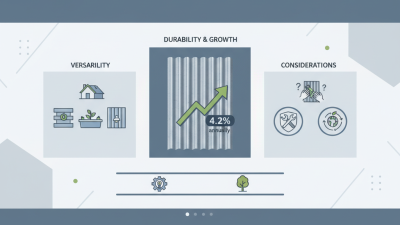
Why choose metal roofing for your building? The answer begins with performance, not appearance. A well-designed roof metal system can protect warehouses, offices, farms, and homes from rain, wind, and repeated temperature changes. The Metal Construction Association reports that properly installed metal roofs can often last 40 to 70 years. That service life may exceed many traditional roofing materials. Still, installation quality matters more than marketing promises. A poorly fastened panel can fail early.
Energy performance also deserves attention. The U.S. Department of Energy reports that cool roofs can reduce peak cooling demand by approximately 10% to 15% in some air-conditioned buildings. Reflective coatings, insulation, ventilation, and local climate all influence the final result. The U.S. Environmental Protection Agency also identifies reflective roofing as one strategy for reducing heat absorption. On a summer afternoon, a reflective metal panel may feel noticeably cooler than a dark, aged roof surface.
Metal roofing can support durability, fire resistance, and long-term maintenance planning. The National Roofing Contractors Association emphasizes that drainage, flashing, fasteners, and regular inspections remain essential. These details are easy to overlook. They should not be. Recycled steel and aluminum may also support sustainability goals, although manufacturing impacts and coating choices require honest evaluation. No roof is perfect. Metal can dent, expand, contract, or transmit rain noise without proper design. Building owners should compare lifecycle costs, climate exposure, structural requirements, and installer qualifications before choosing. The best roof metal solution is practical, documented, and suited to the building’s real conditions.
What Is Metal Roofing and How Is It Used?
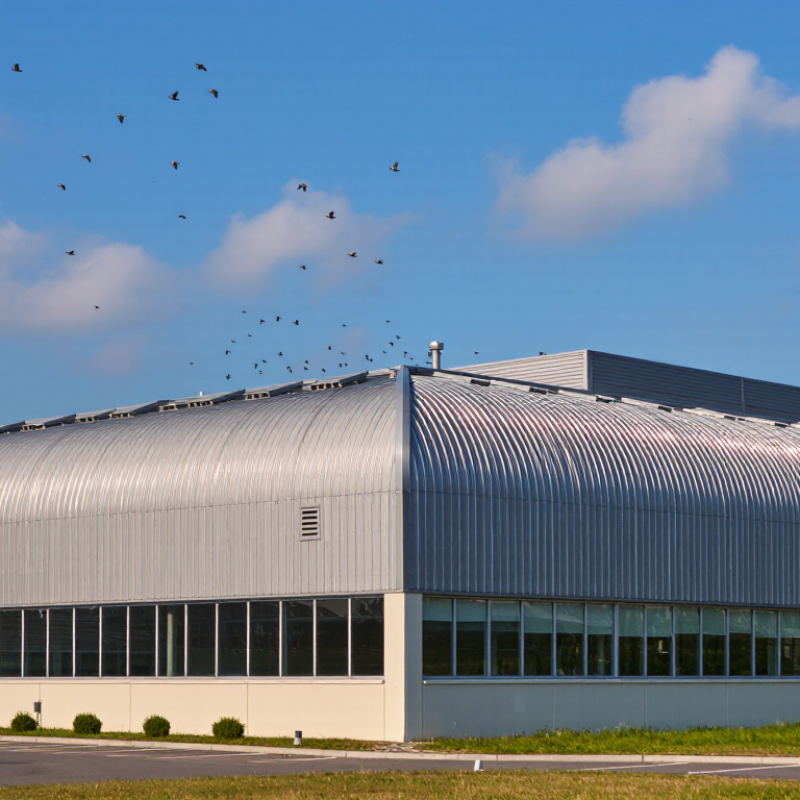
Metal roofing is a roof system made from formed steel, aluminum, zinc, or copper panels. These sheets protect a building from rain, wind, sunlight, and changing temperatures. Some panels have protective coatings, while others develop a natural surface over time.
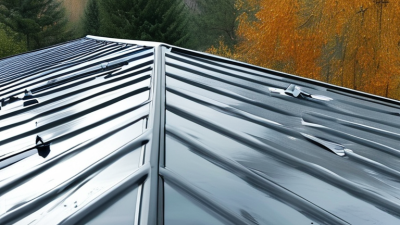
The material is used on homes, warehouses, workshops, farm buildings, and commercial facilities. Panel shapes vary. Corrugated sheets have visible waves and suit practical, budget-conscious projects. Standing-seam panels use raised joints that hide fasteners and guide water toward gutters. Installers place panels over roof decking, insulation, or an approved existing roof. Correct spacing matters. A loose screw can become a leak.
Metal roofing is lightweight, durable, and often recyclable. It can also reflect solar heat when its finish is selected carefully. On a steep roof, long panels help water drain quickly. On a coastal building, corrosion-resistant materials and secure fasteners deserve extra attention. The wrong metal can fail early.
It is not perfect. Rain may sound sharp beneath an uninsulated roof, and poor installation can cause oil-canning, gaps, or trapped moisture. I would inspect the substrate, ventilation, flashing, and local weather before choosing a system. Small details matter. A metal roof works best when the panel design matches the building, climate, and installer’s skill.
Which Metal Roofing Materials and Designs Are Available?
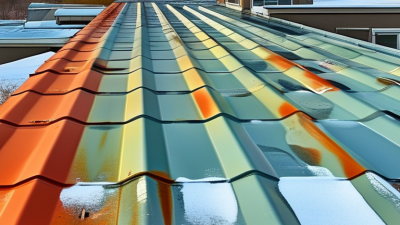
Metal roofing comes in several materials, each suited to different building conditions. Galvanized steel offers strong protection and broad design flexibility. Aluminum resists corrosion, making it practical near salty coastal air. Zinc develops a natural surface layer over time. Copper changes from bright brown to green as it ages. Stainless steel provides durability, but its higher cost may not suit every project.
Design choices affect performance as much as appearance. Standing-seam panels hide fasteners and create clean, modern lines. Corrugated sheets provide a more traditional profile and can reduce material costs. Metal tiles and slate-style panels imitate familiar roof shapes while weighing less than many masonry products. Exposed-fastener systems are common on agricultural and utility buildings. However, their screws and washers need regular inspection.
Details matter. An experienced roofing contractor should check roof pitch, wind exposure, drainage, and local snow loads before selecting a system. Proper flashing around vents and chimneys prevents small leaks from becoming structural damage. Coastal buildings may need compatible coatings and corrosion-resistant fasteners. Dark finishes can absorb more solar heat, although ventilation and insulation can reduce that effect. A shiny roof is not automatically better. It is easy to choose a material for appearance alone, then regret poor acoustic control during heavy rain. Some designs also require careful movement allowances because metal expands and contracts with temperature changes.
Why Choose Metal Roofing for Your Building? - Which Metal Roofing Materials and Designs Are Available?
| Material |
Typical Service Life |
Main Advantages |
Key Considerations |
Common Applications |
| Galvanized or Galvalume Steel |
Approximately 40–70 years when properly specified, installed, and maintained |
Strong, widely available, cost-effective, fire resistant, and suitable for large roof areas |
Coating damage can lead to corrosion; fasteners and cut edges require proper protection |
Warehouses, agricultural buildings, offices, retail buildings, and residential properties |
| Aluminum |
Approximately 40–70 years, depending on the environment and maintenance |
Lightweight, naturally corrosion resistant, and well suited to coastal or humid environments |
More susceptible to denting and thermal movement than heavier metals; expansion allowances are important |
Coastal buildings, homes, lightweight structures, and roof replacement projects |
| Zinc |
Approximately 60–100 years or more with suitable design and installation |
Long service life, low routine maintenance, and a protective patina that develops naturally |
Higher initial cost; compatibility with adjacent materials and drainage details must be carefully considered |
Architectural projects, civic buildings, premium homes, and complex roof forms |
| Copper |
Often 70–100 years or more when detailed and maintained correctly |
Very durable, naturally corrosion resistant, lightweight compared with many traditional roofing materials, and visually distinctive |
High material cost; runoff can stain adjacent surfaces, and thermal movement must be accommodated |
Historic-style buildings, feature roofs, premium residential projects, and architectural details |
| Stainless Steel |
Approximately 50–100 years, subject to grade, exposure, and installation quality |
Excellent corrosion resistance, high strength, and a clean contemporary appearance |
Higher cost; glare, surface appearance, and connection compatibility should be reviewed during design |
Coastal facilities, commercial buildings, modern architecture, and demanding environments |
Common Metal Roofing Designs and Profiles
| Roofing Design |
Design Characteristics |
Benefits |
Best Suited For |
| Standing Seam |
Vertical panels are joined with raised, concealed-fastener seams |
Clean appearance, fewer exposed fasteners, and good accommodation of thermal movement |
Modern homes, offices, commercial buildings, and low-maintenance projects |
| Exposed-Fastener Panels |
Overlapping panels are fixed directly to the roof structure with visible fasteners |
Generally economical, quick to install, and available in many profiles and colors |
Agricultural buildings, workshops, utility structures, and budget-conscious projects |
| Metal Shingles |
Small interlocking metal units shaped to resemble traditional shingles |
Traditional visual character with the durability and low weight of metal |
Residential buildings, renovations, and projects requiring a classic appearance |
| Metal Tiles |
Pressed or formed panels designed to imitate clay, concrete, or slate tile patterns |
Architectural flexibility, reduced structural weight, and resistance to cracking |
Homes, hospitality buildings, and lightweight roof replacement projects |
| Corrugated Panels |
Repeated ribs or waves provide stiffness along the length of the panel |
Efficient material use, recognizable appearance, and practical water shedding |
Industrial, agricultural, residential, and contemporary architectural buildings |
| Ribbed or Trapezoidal Panels |
Deep longitudinal ribs create a structured panel profile with increased stiffness |
Suitable for broad spans, practical installation, and a wide range of roof pitches |
Warehouses, factories, agricultural buildings, and large commercial roofs |
Note: Service-life estimates vary with material thickness, protective coating, roof pitch, climate, installation quality, ventilation, drainage, and maintenance. Local building codes and manufacturer installation requirements should be followed for every project.
How Does Metal Roofing Perform in Different Conditions?
Metal roofing performs differently as weather and building conditions change. In heavy rain, its smooth panels shed water quickly, while the roof deck stays protected by properly lapped seams and underlayment. Rain can sound sharp inside an unfinished structure. Insulation and interior lining reduce that noise.
In hot climates, reflective finishes can limit solar heat gain, but color and ventilation still matter. Panels expand and contract with temperature changes. Correctly installed fasteners allow controlled movement. Poor installation may create loose screws, gaps, or visible oil-canning. It is not maintenance-free.
Snow usually slides from metal roofs, which can reduce long-term moisture exposure. However, sudden snow release can endanger people near entrances. Snow guards may be necessary in high-snow areas. Strong winds also test seam design, edge flashing, and fastening patterns. Local wind requirements should guide the specification.
Coastal air deserves extra attention. Salt can accelerate corrosion, especially around cut edges and exposed fasteners. Regular inspections help identify damaged coatings before rust spreads. In hail-prone regions, metal can resist impact well, yet dents may still appear. I have seen small dents that caused no leak but changed the roof’s appearance. That trade-off is easy to overlook. Proper drainage, ventilation, compatible materials, and qualified installation often matter as much as the panels themselves.
Why Choose Metal Roofing for Your Building?
How Does Metal Roofing Perform in Different Conditions?
Properly specified and installed metal roofing commonly provides a service life of approximately 40–70 years in mild inland environments.
High ultraviolet exposure, heavy snow, coastal salt air, and industrial pollutants can reduce expected service life, making suitable coatings, corrosion protection, drainage, and regular maintenance especially important.
What Factors Should Guide Your Metal Roofing Choice?
Metal roofing can serve a warehouse, workshop, or home, but the right system depends on the building. Start with local climate. Heavy rain, coastal salt, snow, and strong winds demand different protective details. A steep roof may shed snow quickly, while a low-slope roof needs carefully sealed seams. I have seen small drainage errors cause larger problems than the panels themselves. Water always finds weak points.
The supporting structure also matters. An engineer or qualified roofer should check framing, fasteners, roof pitch, and existing damage. Weight limits can affect panel selection, especially during renovation. Choose steel, aluminum, or another suitable metal according to exposure and structural needs. Then examine the coating. A durable finish can resist corrosion and fading, but no coating removes the need for inspections. Local building codes may also control fire ratings, wind resistance, insulation, and installation methods.
Budget decisions should include the full service life, not only the purchase price. Compare panel quality, underlayment, ventilation, flashing, labor, and future maintenance. Insulation can reduce indoor heat and rain noise, although poorly designed assemblies may still sound loud. I once underestimated how much trim quality affects the finished roof. It was a useful mistake. Ask for written specifications, warranty conditions, and references for similar buildings. An installer’s proven work often matters more than a low initial quote.