What Is a Metal Panel and What Types Are Available?

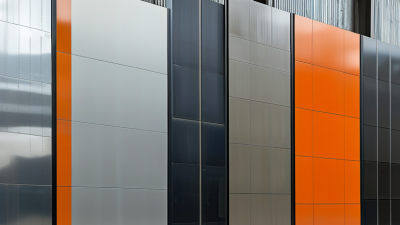
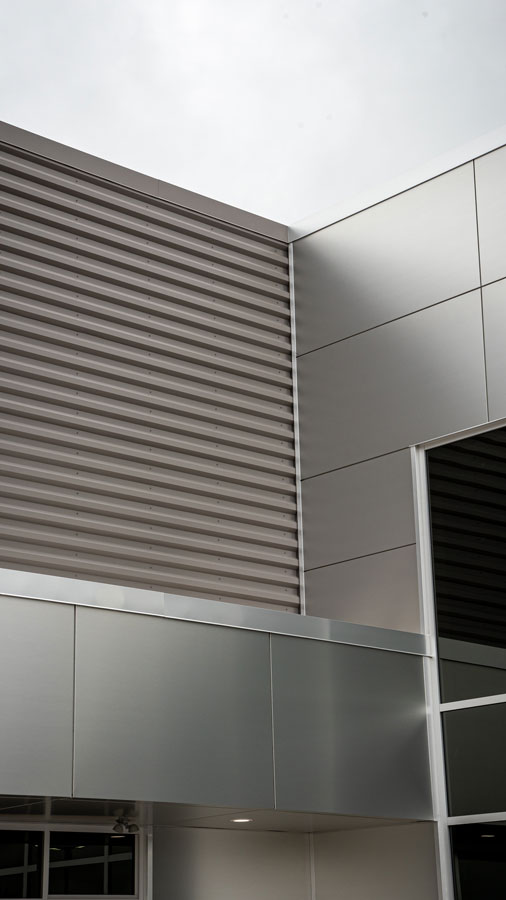
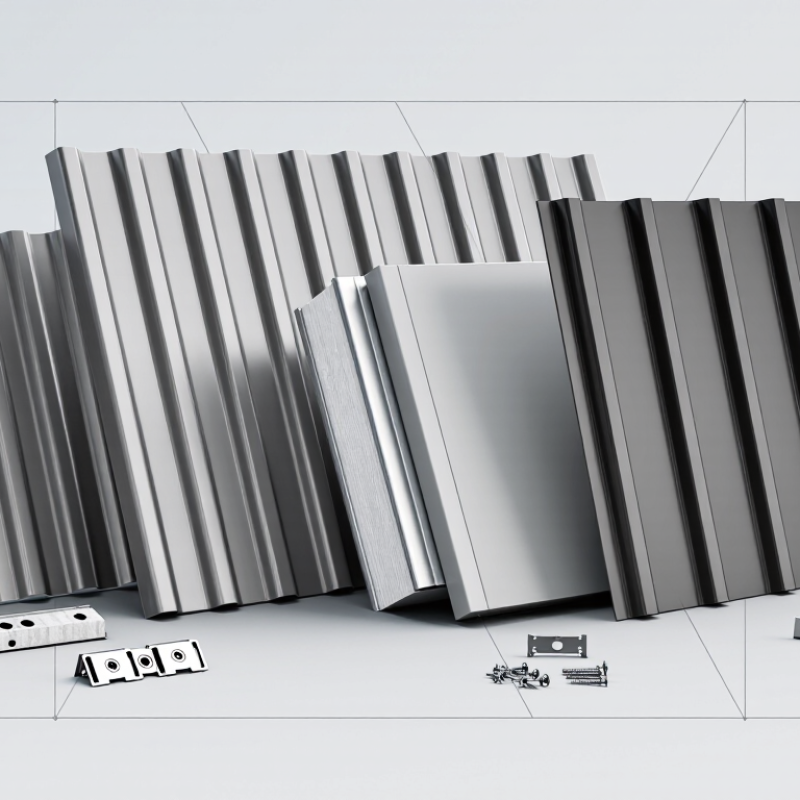
A metal panel is more than a thin sheet covering a wall or roof. It is an engineered building component with a visible surface, protective coating, fastening method, and expected service life. Common options include corrugated panels, standing-seam systems, insulated sandwich panels, aluminum composite panels, and single-skin steel panels. Each type responds differently to wind, moisture, heat, fire, impact, and maintenance demands.

Industry data shows why this material deserves closer attention. The Metal Construction Association reports that many metal building products contain approximately 25% to 95% recycled content and remain highly recyclable after use. Grand View Research also identifies metal cladding as a growing construction category, supported by demand for durable, lightweight, and energy-conscious envelopes. These figures are useful, but they do not tell the whole story. A recycled-content claim does not guarantee responsible manufacturing or good installation.

Rob Haddock, a widely recognized metal-roofing educator and author, states, “Metal roofing is not a commodity; it is a high-performance building system.” That distinction matters. A beautiful panel can fail when incompatible metals touch, fasteners loosen, or water is trapped behind the assembly. Small details matter.

This guide examines what a metal panel is, how its layers work, and where each type performs best. It also considers coating choices, insulation, appearance, cost, and long-term maintenance. The comparison will not treat metal as automatically superior. Performance depends on design, climate, fabrication, and installation quality. That is the practical answer.
What Is a Metal Panel and What Types Are Available?

What Is a Metal Panel and How Is It Defined?

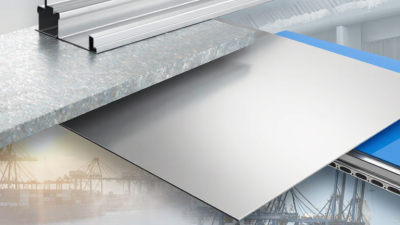
A metal panel is a manufactured building component made primarily from metal sheet, plate, or shaped metal sections. It may serve as a wall, roof, ceiling, or interior finish. The definition depends on structure, not appearance alone. A solid panel has one metal layer, while a composite panel usually combines metal skins with an insulated core. Some panels are flat, ribbed, corrugated, or formed into concealed-fastener profiles.

Common materials include steel, aluminum, zinc, and copper. Steel often provides stiffness and impact resistance. Aluminum weighs less and resists many outdoor conditions. Zinc and copper develop distinctive surface changes over time. Finishes also matter. Paint, metallic coatings, and protective films can affect corrosion resistance, color stability, and maintenance needs. A panel that looks similar may perform very differently.

Tips: Check the panel’s thickness, metal grade, coating system, fire rating, and fastening method. Confirm these details in technical documents, not only product photos. During inspection, look at cut edges, joints, and drainage paths. Small installation errors can create noise, leaks, or early corrosion. The definition is not always neat. Some decorative panels have little structural value, while insulated panels may support both enclosure and energy-control goals. Local climate, building use, and expected service life should guide the selection.

What Materials Are Used to Make Metal Panels?

What Is a Metal Panel and What Types Are Available?

What Materials Are Used to Make Metal Panels?

Metal panels are formed sheets used for roofs, walls, ceilings, and protective enclosures. Their performance depends heavily on the base metal, coating, thickness, and joint design. Steel remains common because it offers high strength at a competitive cost. The World Steel Association reported about 1.89 billion tonnes of crude steel production worldwide in 2023. Galvanized steel adds a zinc layer, helping protect cut edges and exposed surfaces. However, damaged coatings still require prompt repair.

Aluminum panels are lighter and resist corrosion naturally. The U.S. Geological Survey estimated global primary aluminum production at roughly 70 million metric tons in 2023. This metal suits façades, transport structures, and coastal projects. Copper and zinc create distinctive surfaces that develop changing patinas over time. They can last for decades, but their higher cost needs careful justification. Stainless steel provides strong corrosion resistance, especially where moisture and cleaning chemicals are concerns. Titanium is lighter than steel and highly durable, though it is rarely selected for ordinary buildings.

Tips: Match the metal to the environment. Check salt exposure, water drainage, thermal movement, and galvanic contact during design. A heavier panel is not automatically better. The wrong fastener can cause staining or premature corrosion. ASTM standards and manufacturer test data should confirm fire, wind, and coating performance. Material selection is often less simple than expected. Even experienced teams can overlook maintenance access.

What Is a Metal Panel and What Types Are Available? — Materials Used to Make Metal Panels
Panel Type Common Material Typical Characteristics Common Uses Selection Considerations
Corrugated metal panel Galvanized steel, painted steel, or aluminum Formed ridges increase stiffness; lightweight profiles are available in several shapes. Roofing, wall cladding, agricultural buildings, and utility structures Check profile compatibility, coating suitability, fastener details, and local wind-load requirements.
Standing-seam panel Galvanized or zinc-coated steel, aluminum, zinc, or copper Raised seams join adjacent panels; concealed-fastener systems are common. Residential, commercial, and institutional roofs; some wall applications Seam design, roof slope, thermal movement, and installation details affect performance.
Insulated metal panel (IMP) Metal facings, commonly steel or aluminum, with a foam insulation core Factory-made composite panel combines exterior skins with insulation; joints are designed to connect panels. Exterior walls, roofs, and building envelopes for commercial or industrial facilities Consider fire and building-code requirements, joint design, thermal performance, and project specifications.
Flat or plate panel Aluminum, stainless steel, carbon steel, or zinc Smooth, rigid sheet or plate; finish and thickness vary by application. Interior and exterior wall cladding, fascias, equipment enclosures, and architectural details Account for panel size, support spacing, finish, and movement caused by temperature changes.
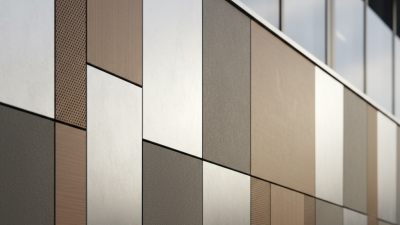
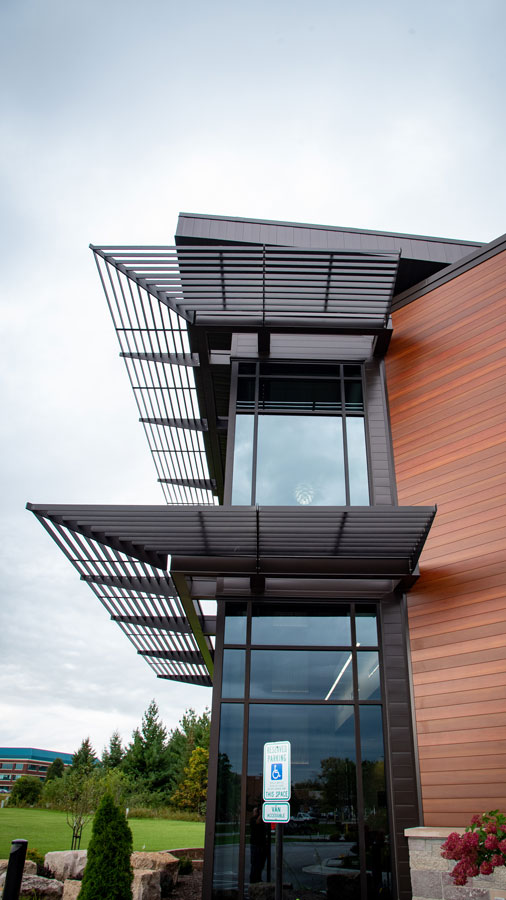
Perforated or expanded metal panel Aluminum, galvanized steel, stainless steel, or carbon steel Openings allow airflow and light; open-area percentage depends on the pattern and material. Screens, sunshades, ventilation panels, ceilings, and decorative façades Choose an opening pattern that suits privacy, airflow, drainage, strength, and safety needs.
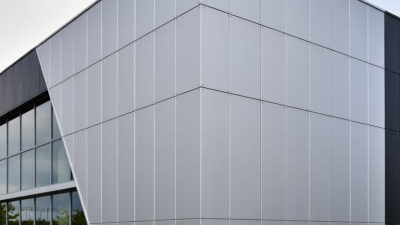
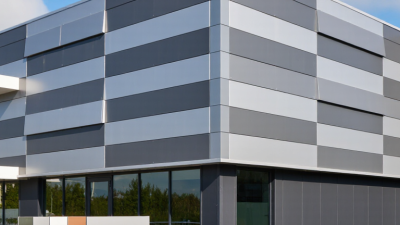
Composite metal panel Metal face sheets, often aluminum, bonded to a lightweight core Layered construction provides a relatively flat, lightweight panel; core types vary. Architectural façades, canopies, soffits, and interior feature walls Verify the specific core, fire classification, attachment system, and applicable code requirements.
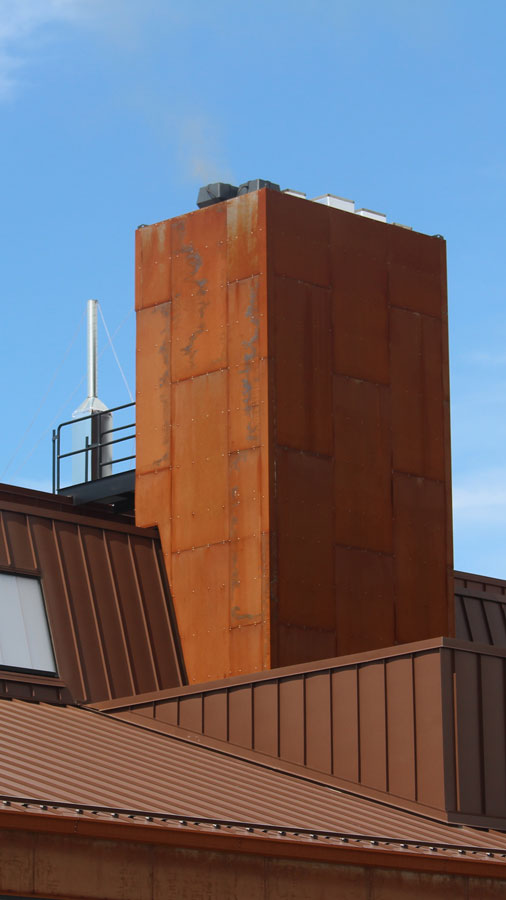
Weathering-steel panel Weathering steel alloy Develops a protective surface patina when exposure and drainage conditions are suitable. Architectural cladding, landscape features, and exterior screens Runoff can stain adjacent materials; detailing and exposure conditions should be reviewed.

What Are the Main Types of Metal Panels?

Metal panels are manufactured sheets used for walls, roofs, ceilings, and exterior details. Their performance depends on the metal, coating, thickness, and installation method. In site inspections, I often check fasteners, seams, edge cuts, and signs of trapped moisture. Small details matter.

Steel panels are strong, economical, and suitable for demanding walls or roofs. Galvanized steel resists rust through a protective zinc layer, while coated steel offers broader color choices. Aluminum panels weigh less and perform well near coastal areas because they naturally resist corrosion. They can dent more easily, though. Copper develops a changing surface color as it reacts with air and moisture. This appearance is distinctive, but material movement and runoff stains need careful planning. Zinc panels also form a protective surface over time and are often selected for long service life. Their installation requires compatible materials and precise detailing.

Metal composite panels contain metal skins bonded to a lightweight core. They create clean, flat façades and can support complex design layouts. Single-skin panels are simpler and often used for agricultural or utility buildings. Insulated metal panels combine exterior skins with a thermal core, helping control indoor temperature and reduce air leakage. I have seen specifications overlook joint movement. That mistake can create buckling, leaks, or visible gaps later. Panel choice should follow the building’s climate, structure, fire requirements, drainage design, and maintenance access. Availability can influence decisions too, and that is not always ideal.

How Are Metal Panels Manufactured and Finished?

Metal panels begin with a carefully selected sheet or coil, commonly made from steel, aluminum, or copper. The base metal affects weight, strength, corrosion resistance, and installation methods. Thickness also matters. A thin panel may reduce cost, but it can dent more easily during transport or service.

Manufacturing usually starts with cutting the coil to the required width. Roll-forming machines then shape the metal through a series of measured rollers. Some panels are stamped, folded, or joined with concealed seams. Experienced fabricators check dimensions after forming because small deviations can create visible gaps on site. Perforated panels require additional planning, since holes can weaken the sheet and change its acoustic performance.

Finishing protects the surface and changes its appearance. Galvanizing adds a zinc layer to steel, while anodizing develops a durable oxide layer on aluminum. Powder coating uses electrically charged particles and controlled heat to create an even finish. Liquid coatings may provide more color flexibility, but application conditions must be carefully monitored. Poor cleaning can cause peeling later.

Color is not the only concern. Surface texture, gloss, ultraviolet exposure, moisture, and nearby pollutants all influence long-term performance. Samples should be inspected in natural light. Even then, a sample cannot fully predict aging. That limitation deserves attention. Maintenance records, coating specifications, and installation guidance help buyers make a more reliable decision.

What Is a Metal Panel and What Types Are Available?

Metal panels are manufactured from materials such as steel, aluminum, zinc, and stainless steel. The material selected affects panel weight, strength, corrosion resistance, forming behavior, and finishing options.

The chart compares approximate room-temperature material densities. Aluminum is lightweight, while steel and stainless steel provide higher mass and strength. During manufacturing, sheet metal is commonly rolled, cut, perforated, stamped, or profiled. Panels may then receive finishes such as galvanizing, anodizing, powder coating, or liquid paint to improve appearance and protect against corrosion.

Where Are Different Metal Panels Commonly Used?

A metal panel is a shaped sheet or layered system used for roofs, walls, ceilings, and industrial enclosures. Common options include corrugated steel, standing-seam steel, aluminum, stainless steel, zinc, and insulated sandwich panels. Each type behaves differently under weather, impact, heat, and moisture.

Roofing is one of the most visible applications. Standing-seam panels suit warehouses, agricultural buildings, and modern homes because concealed fasteners reduce leak risks. Corrugated steel remains practical for workshops and storage buildings, where durability and affordable installation matter more than a flawless appearance. The World Steel Association reported approximately 1.89 billion tonnes of crude steel production in 2023, showing the material’s enormous industrial scale. Still, high volume does not mean every steel panel fits every climate.

Wall panels serve factories, cold-storage facilities, offices, and transport buildings. Insulated panels combine metal skins with a rigid core, helping control indoor temperatures. The International Energy Agency reported that buildings consume about 30% of global final energy. That figure makes panel insulation more than a design choice. Aluminum panels are useful near coastal areas because they resist corrosion, while stainless steel suits kitchens, laboratories, and demanding hygiene zones. Zinc panels can develop a natural surface patina, but their appearance changes over time. That change is sometimes overlooked. Correct coating, drainage, joint design, and local installation practice often matter more than the panel’s advertised strength.