What is a Metal Panel and How is it Used in Construction?
Metal panels are increasingly popular in modern construction. They provide aesthetic appeal and durability. According to industry expert John Smith, "Metal panels combine functionality with style, making them ideal for diverse projects." This insight underlines their versatile nature.
In construction, metal panels serve various purposes. They can be used for facades, roofing, and insulated wall systems. The lightweight nature of metal panels allows for easier handling and installation. However, challenges do exist. Selecting the right type of metal and finish can be complex. The market offers many options, making choices daunting at times.
Moreover, the installation process requires skilled labor. Misalignment or improper sealing can lead to issues later on. This aspect demands careful attention to detail. Despite these challenges, the benefits of metal panels often outweigh the drawbacks. They are a testament to modern engineering and design.
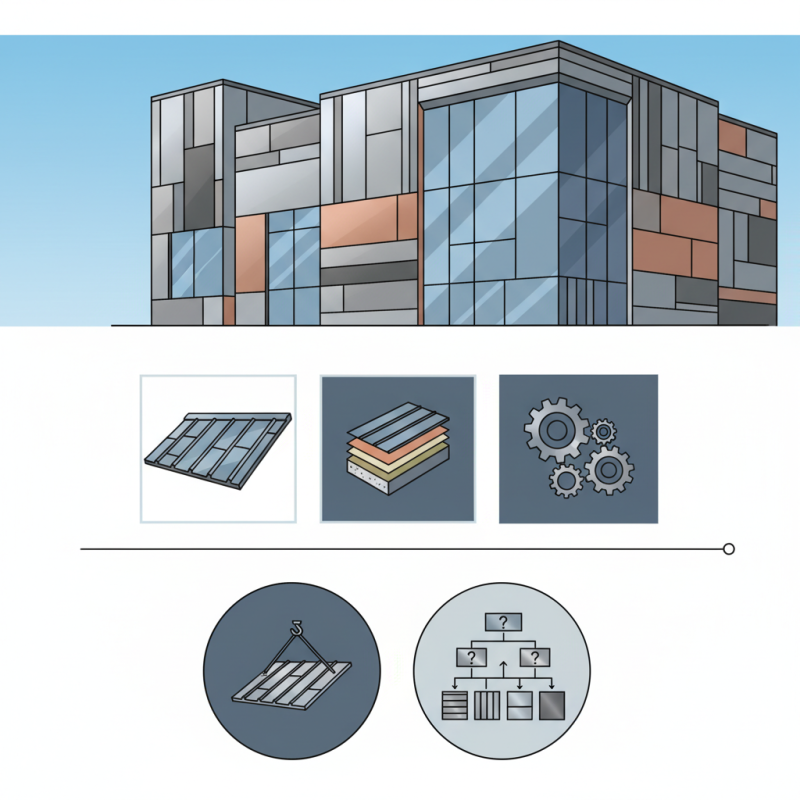
Definition and Composition of Metal Panels in Construction
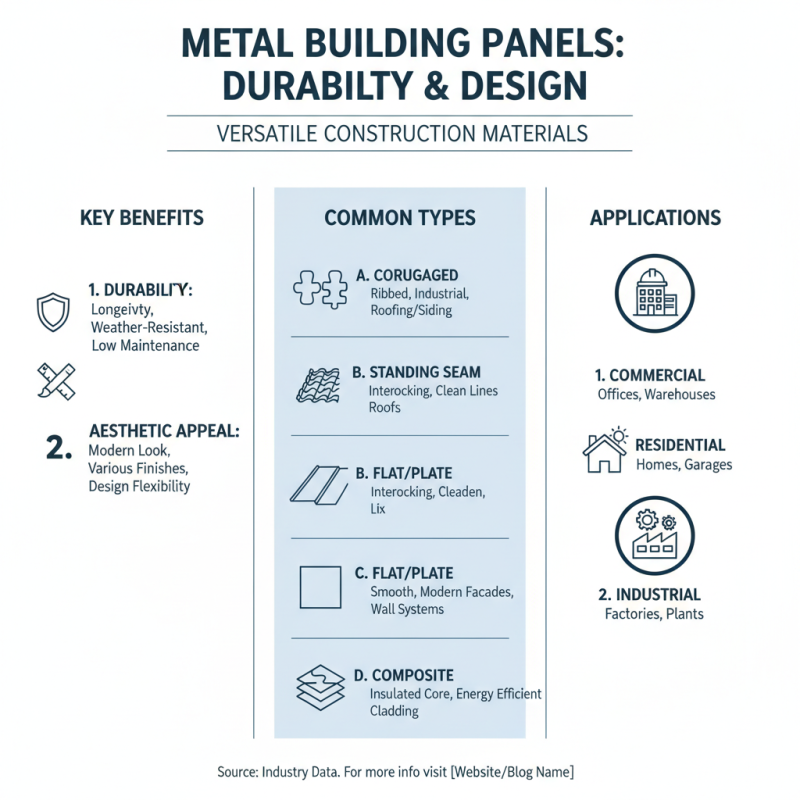
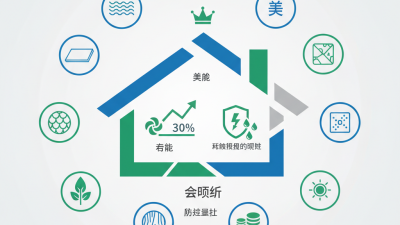
Metal panels are versatile components used widely in construction. These panels consist primarily of thin sheets of metal, often aluminum, steel, or zinc. They are designed to provide structural integrity, aesthetic appeal, and durability to buildings. Metal panels are engineered to withstand harsh weather conditions. According to a 2021 report by the Metal Construction Association, metal panels can reduce energy consumption by up to 30% due to their insulation features.
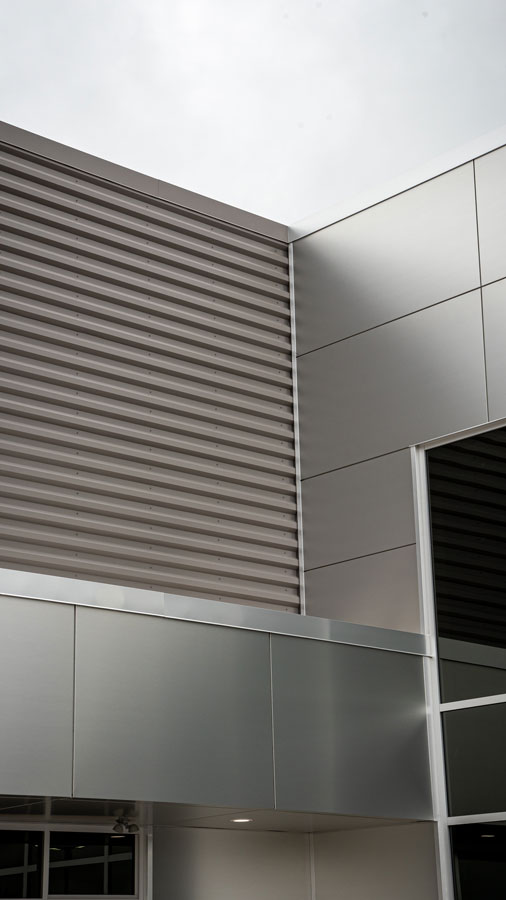
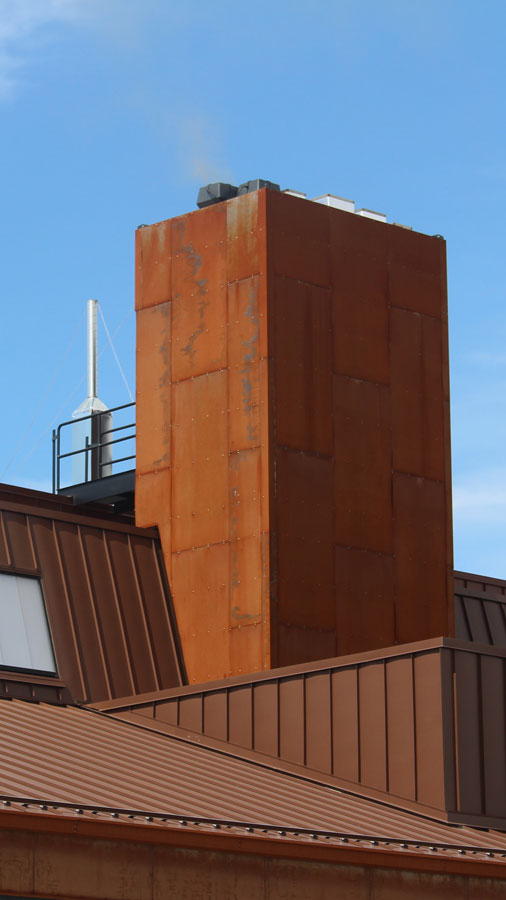
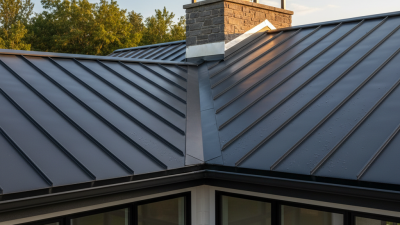
In construction, metal panels serve multiple functions. They can be used as wall cladding, roofing, and even ceilings. The materials can be treated for corrosion resistance, which extends their lifespan. Builders often choose metal panels for commercial projects, as they are lightweight yet strong. Their reflective surface can decrease energy costs. However, some metal panels may dent or scratch easily, leading to maintenance concerns.
**Tips:** When selecting metal panels, consider factors like insulation and aesthetic compatibility. Check for industry certifications to ensure quality. Regular maintenance will help preserve their appearance and performance over time. Take time to familiarize yourself with installation requirements; mistakes can be costly. Be aware of potential environmental impacts.
Advantages of Metal Panels in Building Design and Energy Efficiency
Metal panels play a significant role in modern building design. They are popular for their versatility and aesthetic appeal. Builders choose these panels for their durability and low maintenance. Metal panels can withstand harsh weather conditions. They can resist corrosion, rust, and damage from pests. This makes them a practical choice for various climates.
Energy efficiency is another key advantage. Metal panels often have insulating properties that improve thermal performance. This can lead to lower energy costs over time. The reflective surfaces of these panels also help reduce heat absorption, keeping interiors cooler. However, achieving optimal energy efficiency requires careful design and installation. Improper sealing can lead to air leaks, negating these benefits.
Sustainability is an important consideration as well. Many metal panels are made from recycled materials, making them eco-friendly. Yet, the production process does consume significant energy. Designers should weigh these factors when selecting materials. Balancing aesthetics, functionality, and sustainability can be a complex task, but it is essential for modern construction projects.
Advantages of Metal Panels in Building Design and Energy Efficiency
Installation Techniques for Metal Panels in Construction Projects
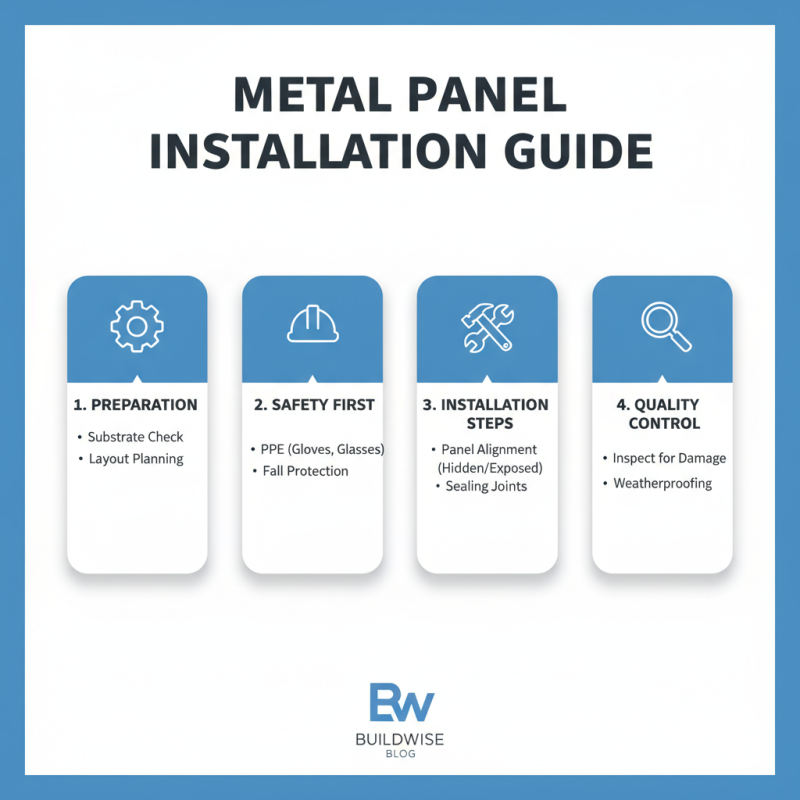
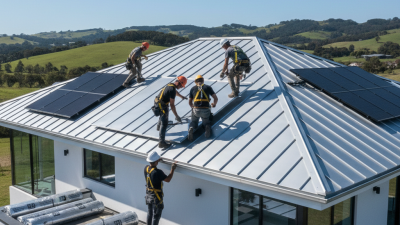
Metal panels are increasingly popular in construction for their durability and aesthetic appeal. Proper installation is crucial for maximizing their benefits. This process often requires specialized training and attention to detail.
When installing metal panels, ensure surfaces are clean and dry. A common mistake is neglecting this initial step, which can lead to moisture problems. Using proper fasteners is also essential; they must match the panel material. According to a report from the Metal Construction Association, improper fastening is a leading cause of panel failure.
Tip: Always check local building codes before starting the installation. Regulations can vary significantly by location. Additionally, consider using thermal insulation under your panels to improve energy efficiency. This can reduce heating and cooling costs by up to 30%, as mentioned in industry studies.
One challenge is the potential for thermal expansion in metal panels. This can cause buckling if not accounted for during installation. Workers must leave sufficient gaps to allow for movement. Reflecting on these aspects can help in achieving a successful project.
Common Applications of Metal Panels in Different Architectural Styles
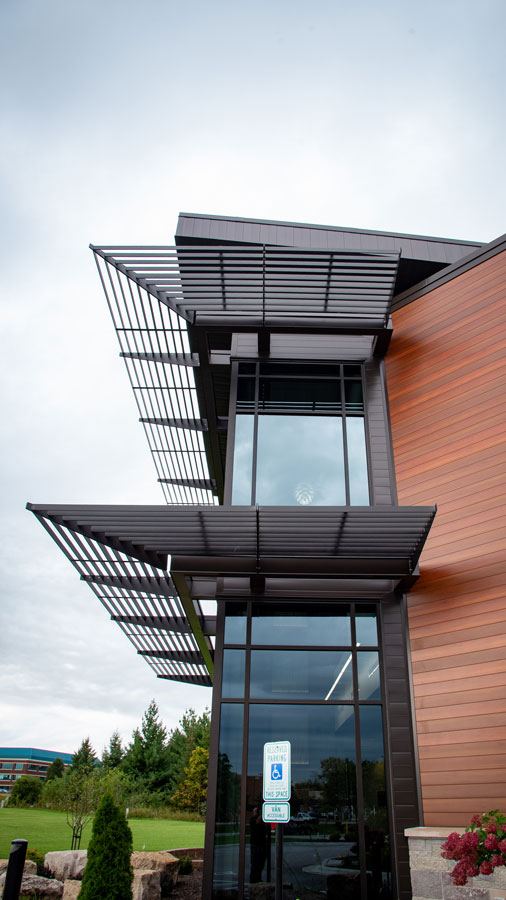
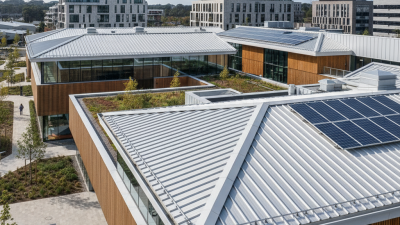
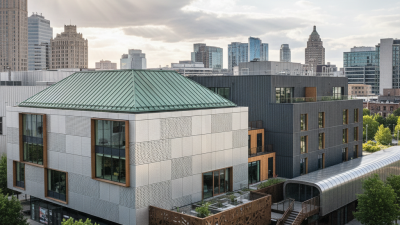
Metal panels are increasingly popular in modern architecture. They blend functionality with aesthetic appeal. Architects use them in various styles, from industrial to contemporary. Metal panels offer durability, visual interest, and energy efficiency, making them versatile for different building types.
In residential construction, metal panels often adorn facades. They complement natural materials and improve the building's lifespan. Studies show that structures with metal paneling can see a 30% reduction in energy costs. In commercial settings, they are used for both siding and roofing. Their reflective properties help in energy savings.
Tips: When selecting metal panels, consider long-term maintenance. Pre-painted panels may reduce upkeep. However, the color can fade over time. Choose hues wisely. Moreover, think about insulation. Metal panels can add layers of thermal efficiency if installed correctly. This choice may result in a more comfortable indoor environment.
What is a Metal Panel and How is it Used in Construction? - Common Applications of Metal Panels in Different Architectural Styles
| Architectural Style |
Common Applications |
Benefits |
| Modern |
Curtain walls, roofing, interior walls |
Sleek aesthetic, durability, low maintenance |
| Industrial |
Cladding, storage solutions, manufacturing facilities |
Strength, easy installation, weather resistance |
| Commercial |
Retail spaces, office buildings, shopping malls |
Versatility, energy efficiency, improved aesthetics |
| Residential |
Exterior siding, fences, garages |
Eco-friendly options, design flexibility, longevity |
| Cultural and Historical |
Restoration projects, statement structures |
Authenticity, aesthetic appeal, adaptive reuse |