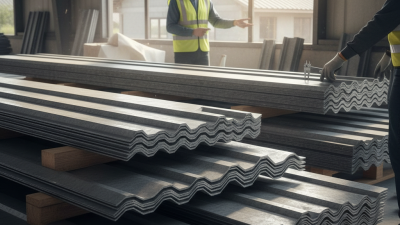
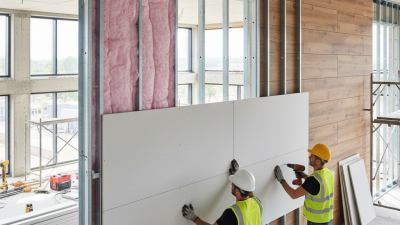
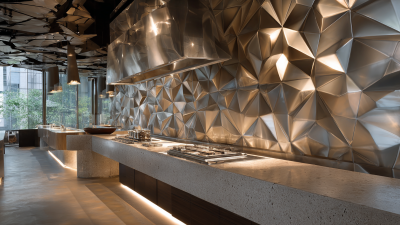
Top 10 Benefits of Using Metal Cladding for Your Building Projects?
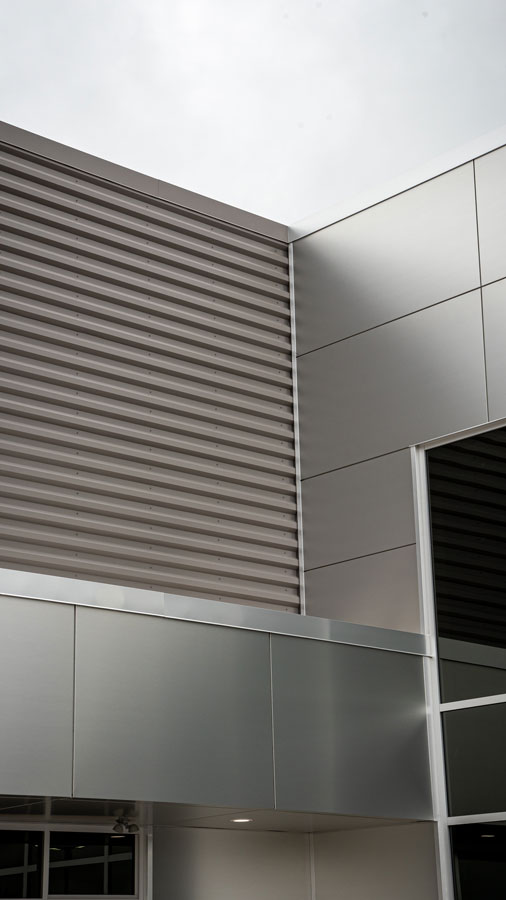
Metal cladding has become a popular choice in modern building projects. The durability and aesthetic appeal are undeniable. John Smith, a leading expert in the metal cladding industry, emphasizes, "Metal cladding enhances not just the look but also the longevity of any structure." This statement highlights the dual benefits of using metal cladding in construction.
Many architects and builders favor metal cladding due to its versatility. It offers a variety of textures and colors. Buildings can stand out in unique ways. However, potential challenges exist. Installation requires precision and expertise. If not done properly, issues may arise.
The environmental impact is another important aspect. Metal cladding is often recyclable, reducing waste. Yet, one must consider energy efficiency in the overall design. It’s crucial to balance aesthetics and functionality. In the end, while metal cladding presents clear advantages, careful planning and execution are essential for achieving the best results.
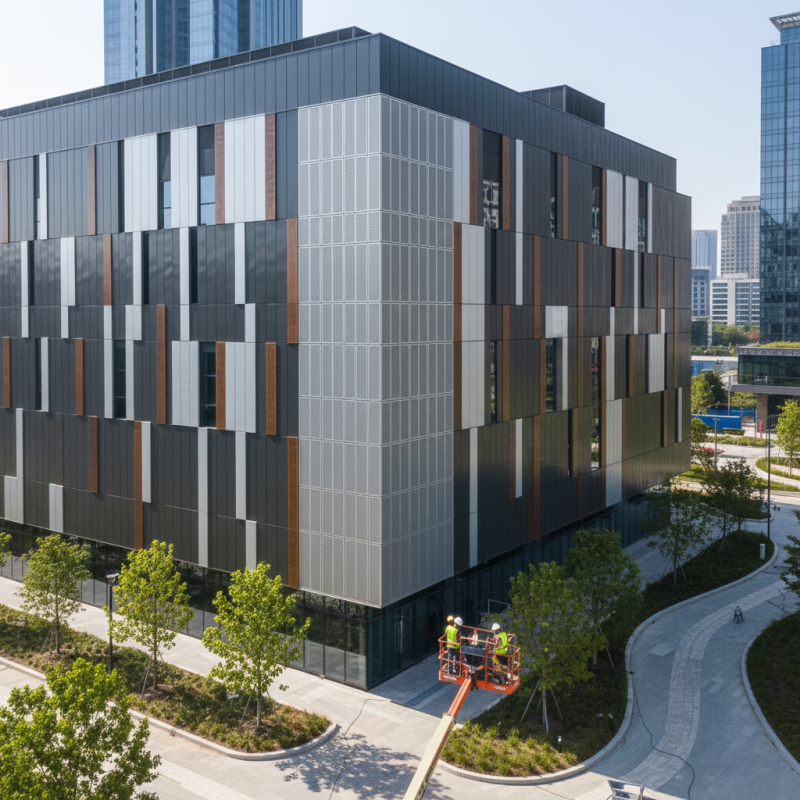
Advantages of Durability and Longevity in Metal Cladding
Metal cladding is increasingly popular in construction due to its remarkable durability and longevity.
According to a report by the Metal Construction Association, metal buildings can last over 50 years with minimal maintenance.
This contrasts sharply with traditional materials, which often require more frequent replacement.
The resistance of metal to harsh weather conditions makes it an ideal choice for various climates, including coastal areas prone to corrosion.
One major advantage of metal cladding is its fire resistance.
Metal materials do not burn, significantly reducing risks. Buildings clad in metal often see lower insurance premiums due to this feature.
Additionally, metal has a lower environmental impact. It is 100% recyclable, contributing to sustainability in construction.
Tip: When selecting metal cladding, consider options that use recycled materials.
This choice enhances sustainability and often retains high-quality standards.
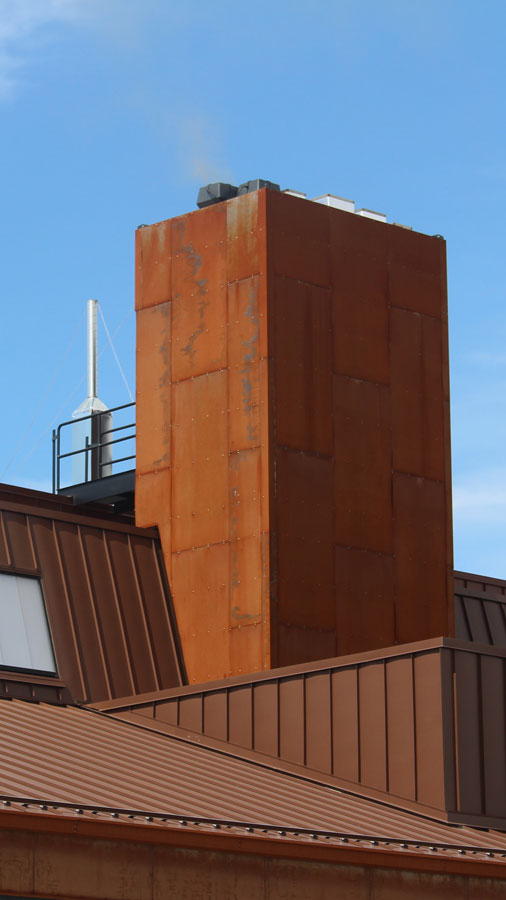
However, while metal cladding is durable, it is not infallible. Issues like oil canning, which creates wavy appearances, may arise.
Proper installation is crucial to prevent these aesthetic concerns. Regular inspections and maintenance ensure longevity and preserve the building’s appearance over time.
Tip: Schedule annual inspections for your metal cladding to identify potential issues early.
Overlooking small problems can lead to significant repair costs later.
Energy Efficiency Benefits of Metal Cladding in Building Design
Metal cladding offers significant energy efficiency benefits in building design. According to a report by the U.S. Department of Energy, buildings with metal cladding can reduce energy costs by up to 30%. This is largely due to metal's reflective properties, which help maintain optimal indoor temperatures. Good insulation also plays a key role, preventing heat loss in winter and keeping spaces cooler in summer.
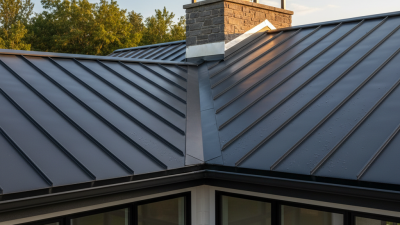
Metal surfaces can be treated with finishes that enhance their energy efficiency. For example, cool metal roofs reflect sunlight better than traditional roofing materials. This can lead to a decrease in cooling energy needs by 15% to 20%, as stated by the Environmental Protection Agency. However, proper installation is crucial. Poorly installed cladding can lead to thermal bridging, undermining energy performance.
There are challenges as well. Not every type of metal cladding has equal energy-saving properties. The choice of metal and the design must be carefully considered. Additionally, while metal cladding is durable, it can require maintenance. Rust and corrosion may occur if not properly treated. Building creators must weigh the pros and cons to make informed decisions.
Aesthetic Versatility: Customizing Metal Cladding for Modern Architecture
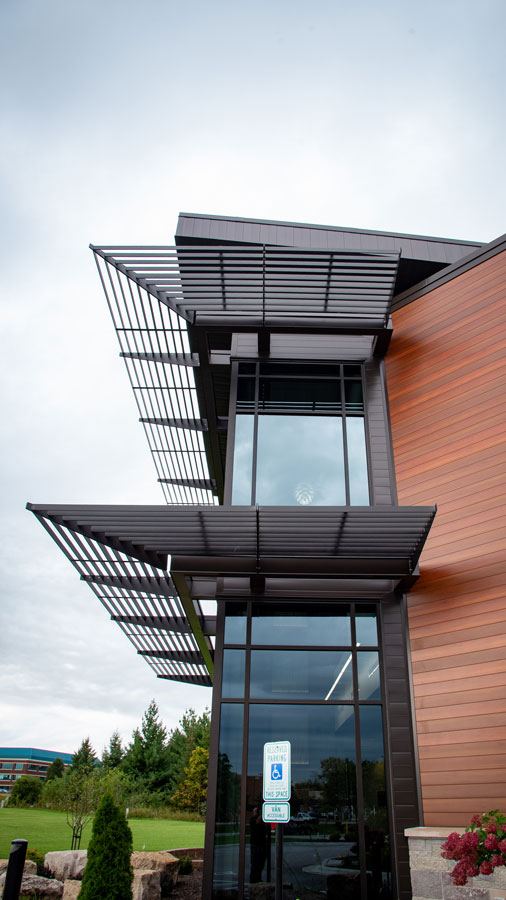
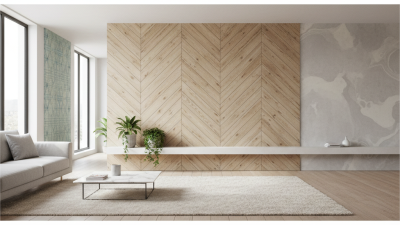
Metal cladding has gained popularity for its aesthetic versatility in modern architecture. It allows architects to create unique designs that stand out. With various textures, colors, and finishes available, metal can adapt to any style, from sleek and minimalistic to bold and industrial. According to a 2021 market report, the demand for decorative metal cladding is expected to grow by 8% annually, illustrating its rising appeal.
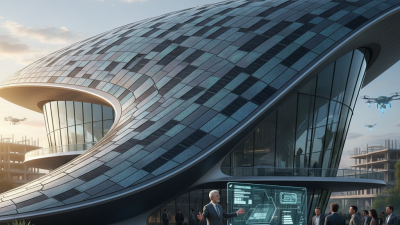
Designers often experiment with layering and geometric patterns in metal cladding. This approach can invigorate traditional structures while providing a contemporary look. Incorporating reflective surfaces can enhance natural light, reducing the need for artificial illumination. As a result, a building can be both energy-efficient and visually striking.
Tips: When choosing metal cladding, consider the climate and location. Some materials may be better suited for certain environments. Always focus on sustainable options. Recycled metals can reduce environmental impact. Also, consult architectural trends; stay informed to create timeless designs. Remember, while metal cladding offers many benefits, it must align with the overall vision of your project. Choosing the wrong finish can lead to costly renovations down the line.
Top 10 Benefits of Using Metal Cladding for Your Building Projects
Low Maintenance Requirements and Cost-Effectiveness of Metal Cladding
Metal cladding offers significant advantages, especially regarding maintenance and costs. Its durability is a game-changer for building projects. Unlike wood or vinyl, metal resists rot and pests. This means fewer repairs over time, saving both effort and money.
Cost-effectiveness is another key point. While the initial investment can be higher, the long-term savings are evident. Reduced maintenance costs lower overall expenditure. Metal cladding doesn't require frequent painting or staining. This can greatly reduce labor costs. Many property owners find this aspect compelling.
There are challenges, though. Metal can get hot and may require insulation for energy efficiency. In certain climates, rust can be an issue, requiring periodic inspection. Awareness of these potential drawbacks is crucial in the planning stages. The balance of pros and cons helps in making informed decisions.
Top 10 Benefits of Using Metal Cladding for Your Building Projects
| Benefit |
Description |
Cost Factor |
Maintenance Level |
| Durability |
Metal cladding offers high resistance to weather elements and corrosion. |
Medium |
Low |
| Energy Efficiency |
Can improve energy efficiency through insulation capabilities. |
High initial cost |
Moderate |
| Aesthetic Appeal |
Available in various styles and colors to suit design preferences. |
Variable |
Low |
| Fire Resistance |
Non-combustible properties improve building safety. |
Medium |
Low |
| Sustainability |
Recyclable materials contribute to sustainability efforts. |
Variable |
Low |
| Cost-Effectiveness |
Long-term savings due to lower maintenance and energy costs. |
Low over time |
Low |
| Quick Installation |
Lighter weight materials decrease construction time. |
Medium |
Low |
| Weather Resistance |
Withstands extreme weather, protecting the building structure. |
Medium |
Low |
| Low Weight |
Lightweight materials reduce the load on the building. |
Low |
Low |
| Flexibility |
Easily adaptable to different architectural designs and specifications. |
Medium |
Low |
Sustainability and Environmental Impact of Metal Cladding Solutions
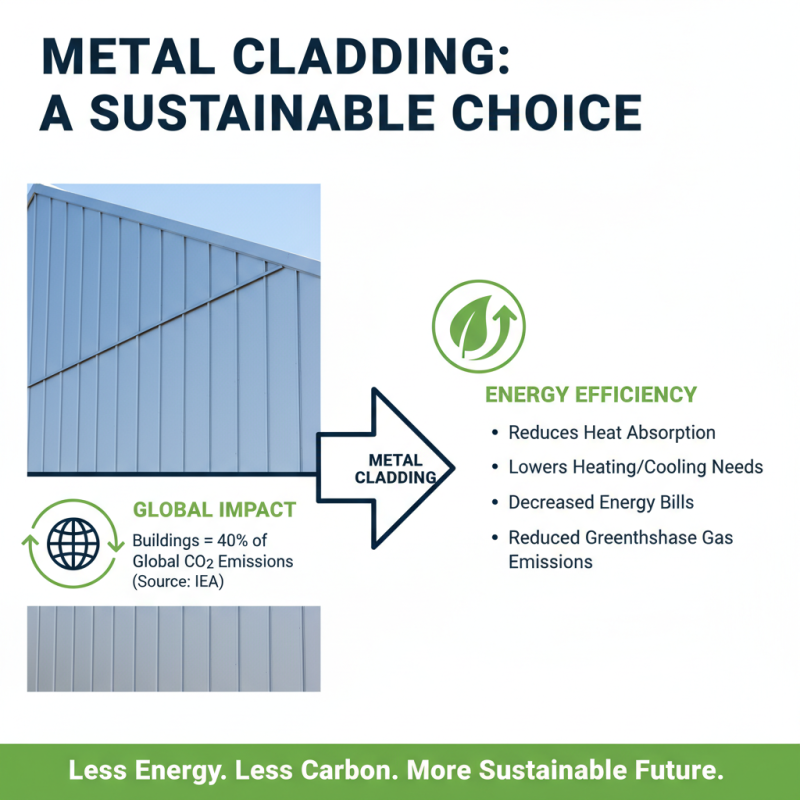
Metal cladding is gaining attention for its sustainability. According to the International Energy Agency, buildings account for nearly 40% of global energy-related CO2 emissions. Metal cladding can significantly reduce this impact. Its reflective properties improve energy efficiency by minimizing heat absorption. This means lower energy consumption for heating and cooling, leading to reduced greenhouse gas emissions over time.
Moreover, metal is often recyclable. Research shows that around 90% of aluminum cladding can be recycled. This greatly minimizes waste in landfills. While traditional materials like wood may degrade or require significant upkeep, metal cladding maintains its integrity and beauty. Still, we must acknowledge challenges. The production of metals can be energy-intensive. However, advancements in technology are reducing emissions during manufacturing.
Water usage is another area for improvement. Metal cladding does not require water for maintenance, unlike other building materials. Yet, producers must ensure sustainable practices in mining and processing. The way forward is to balance these environmental impacts. Innovative solutions are necessary for a more sustainable future in building design.