





What Is the Best Carbon Monoxide Detector?
How to Choose the Best Carbon Monoxide Detector for Your Home
Choosing the best carbon monoxide detector starts with placement, certification, and daily practicality. Look for a detector tested to the safety standard required in your country. A visible certification mark matters more than a clever product description. Choose a model with a loud alarm, clear status lights, and an easy test button. A digital display can show carbon monoxide levels, but it should not replace an audible warning.
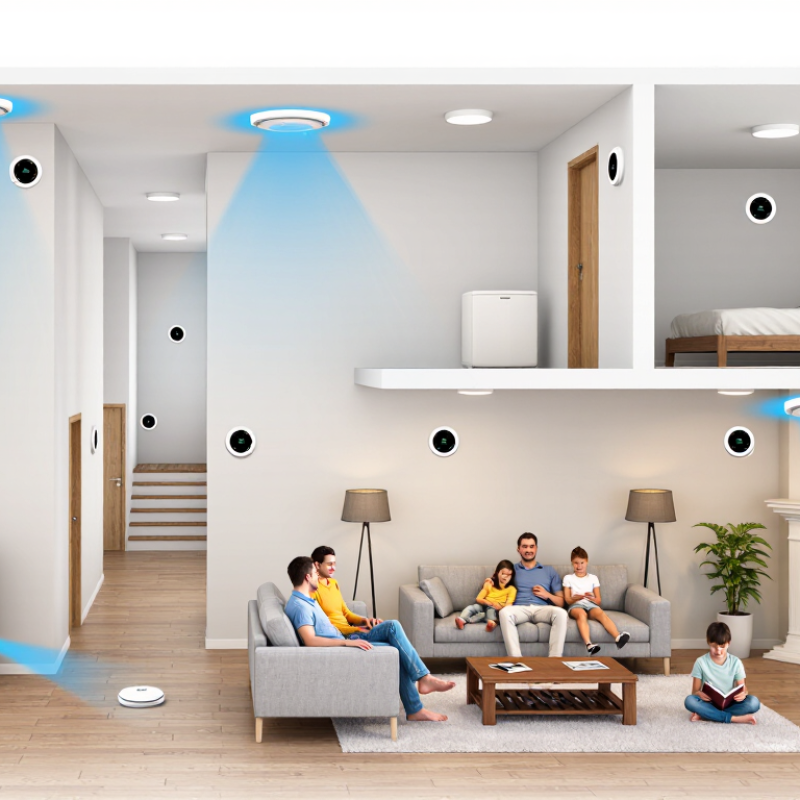
Place alarms near sleeping areas and on every level of your home. Keep them away from windows, doors, vents, and fuel-burning appliances. These locations may affect how gas reaches the sensor. Follow the installation guide carefully. It sounds simple. It is often overlooked.
Power choice also deserves attention. Battery-only units remain useful during power failures, while hardwired models may offer battery backup and interconnection. Check the battery regularly, and test each alarm monthly. Replace the unit when its manufacturer states, not only when it stops working. Dust can weaken performance, so gentle cleaning helps.
A detector cannot fix a faulty furnace, stove, fireplace, or generator. Have fuel-burning equipment inspected by a qualified professional, especially after unusual odors, repairs, or ventilation changes. I would avoid choosing only by price. A cheaper unit may seem practical today, yet missing features can create uncertainty during an emergency. Even reliable alarms need maintenance and a household plan. Know where to go, whom to call, and never ignore an alarm.