





What Are the Top Types of Plastic Pouch Bags in 2026?
Plastic Pouch Bags come in more forms than a shelf glance suggests. Stand-up pouches hold coffee upright, while flat sachets suit single servings. Zipper closures support repeat use. Spouts make liquids easier to pour. Retort pouches are designed for heat-processed foods. Each format solves a different packaging problem, and none is a universal winner.
The market context is substantial. Grand View Research estimated the global flexible packaging market at about $264.9 billion in 2023, with further growth projected through 2030. That figure covers flexible packaging broadly, not pouches alone. It signals scale, but it should not be mistaken for a pouch-market forecast. The OECD’s Global Plastics Outlook (2022) reported that packaging generated 40% of global plastic waste in 2019. The statistic covers all plastic packaging, not just pouch bags. Still, it makes material choice and end-of-life planning hard to ignore.
In 2026, buyers will compare more than shape. Barrier layers, seals, filling equipment, product weight, and disposal options all affect performance. A thin pouch may save transport space, yet its mixed materials can complicate recovery. That trade-off deserves a closer look. This guide examines the leading pouch types, their common uses, and the practical details that matter before choosing one. Market data can clarify the direction of travel, but real suitability depends on the product, supply chain, and local waste systems. Even a good-looking sample can behave differently on a fast filling line.
How Plastic Pouch Bags Are Classified by Structure and Function
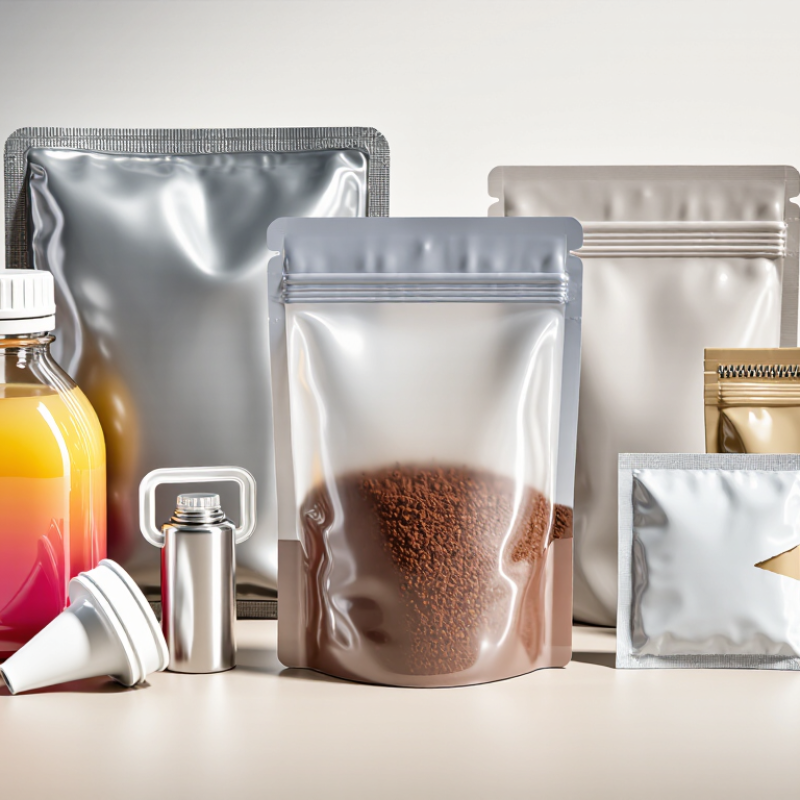
Plastic pouch bags are best classified in two ways: by structure and by function. Structure describes the pack’s shape and opening. Common formats include flat sachets, three-side-seal pouches, gusseted bags, stand-up pouches, and spouted pouches. A gusset expands like a small folded base; a spout supports controlled pouring. Structure affects shelf display, filling speed, and convenience, but it does not determine protection by itself.
Function depends on the material layers and closure. High-barrier laminates help limit oxygen, moisture, or light exposure. Retort pouches withstand heat processing, while vacuum pouches remove air around products. Zippers support repeated opening, and tear notches allow quick access. These features can overlap, which makes classification less tidy than a product chart suggests. The Flexible Packaging Association’s 2024 State of the U.S. Flexible Packaging Industry report estimated 2023 U.S. sales at $42.9 billion. That scale reflects broad use, not proof that every pouch suits every product.
Tips: Match the pouch to the product’s moisture, oxygen, and handling needs. Ask suppliers for barrier and seal-test data, not just a “high-barrier” label. Check the filled pouch on a shelf and during transport. Small leaks matter. Also consider whether the chosen laminate can be collected and processed locally; this is often overlooked.
What Are the Top Types of Plastic Pouch Bags in 2026? — How Plastic Pouch Bags Are Classified by Structure and Function
| Pouch type | Structural classification | Typical material structure | Main function | Common applications | Key considerations |
|---|---|---|---|---|---|
| Stand-up pouch (doypack) | Flexible pouch with a bottom gusset that opens into a stable base; may include a zipper or spout. | Often a multilayer laminate, such as PET/PE or PET/foil/PE; structures vary by product and required barrier. | Stands upright for display and storage while providing a flexible, lightweight pack. | Dry foods, snacks, pet food, detergents, and personal-care products. | Barrier and recyclability depend on the specific material combination; a zipper is a separate closure feature. |
| Flat pouch (three-side seal) | Two flexible panels sealed on three sides, with the remaining side used for filling and then sealed. | Commonly made from heat-sealable films or laminates, including PET/PE and barrier-film combinations. | Provides a compact, lightweight pack for single portions or small quantities. | Seasonings, sauces, samples, medical products, and single-serve foods. | Usually does not stand on its own; tear notches and easy-open features can be added. |
| Quad-seal or box-bottom pouch | Side gussets and a shaped or folded bottom create a more squared profile; seal layouts vary by design. | Typically a heat-sealable multilayer film selected for the product’s moisture, oxygen, and strength requirements. | Creates a stable, block-like pack with useful volume and broad printable panels. | Coffee, powdered products, grains, and pet food. | The reinforced shape can support heavier contents, but performance depends on film gauge, seals, and filling conditions. |
| Spouted pouch | Flexible pouch fitted with a molded spout and closure, positioned at the top or corner. | Usually a flexible laminate with a compatible polymer spout and cap; exact layers depend on contents and processing. | Enables controlled pouring or dispensing and can be resealed after opening. | Beverages, purees, liquid foods, detergents, and personal-care liquids. | The spout and pouch must be compatible with the filling process and product; mixed-material parts can complicate recycling. |
| Retort pouch | Heat-sealed, flexible package designed to withstand commercial sterilization in a retort process. | A common traditional construction is PET/aluminum foil/CPP, with other validated high-barrier structures also used. | Protects suitable foods during thermal processing and provides a shelf-stable package when correctly processed and sealed. | Ready-to-eat meals, soups, sauces, and other retort-processed foods. | Requires a structure and seals validated for the specific retort conditions; foil-containing laminates are generally difficult to recycle through conventional film streams. |
| Vacuum pouch | Flexible pouch evacuated of air and heat-sealed; flat and gusseted formats are available. | Often uses coextruded or laminated films with a seal layer and, when needed, an oxygen-barrier layer such as PA or EVOH. | Reduces air inside the pack and helps limit oxidation; the pouch conforms closely to the product. | Meat, cheese, seafood, coffee, and selected industrial products. | Vacuum packaging does not replace required refrigeration or food-safety controls; puncture resistance and seal integrity matter. |
| Zipper-reclosable pouch | A pouch fitted with a press-to-close or slider zipper; available in stand-up, flat, and other formats. | The pouch may use PE-based film or a multilayer laminate, with a zipper profile generally made from a compatible thermoplastic. | Allows repeated opening and closing after the initial seal is opened. | Snacks, frozen foods, dried ingredients, and household products. | A zipper is a closure feature rather than a distinct pouch-body structure; it does not necessarily provide an airtight or tamper-evident seal. |
Note: These are established pouch formats and functional categories, not a ranked sales forecast. Material structures are examples; the appropriate construction depends on the product, filling process, shelf-life target, and local recycling options.