





Top 10 Preprinted Barcode Labels Suppliers Worldwide
Choosing dependable preprinted barcode labels suppliers requires more than comparing catalog prices. Label performance depends on adhesive strength, printing accuracy, material durability, and supply consistency. A warehouse label may face dust, moisture, abrasion, sunlight, or repeated scanning every day. Small details matter.
This guide examines ten leading suppliers worldwide through practical purchasing criteria. These include barcode readability, substrate choices, color consistency, roll dimensions, customization options, minimum order quantities, and delivery support. It also considers whether suppliers provide samples, artwork approval, quality checks, and responsive technical assistance. These checkpoints help buyers connect product claims with measurable performance, rather than relying on attractive websites alone.
The selected companies serve different industries, including logistics, manufacturing, retail, healthcare, and asset management. Some specialize in durable polyester labels, while others focus on economical paper formats or high-volume production. Experienced buyers should still test labels with their own scanners, ribbons, printers, and surfaces. Performance varies. Environmental conditions can change the outcome.
This ranking is a useful starting point, not a permanent verdict. Supplier capabilities, prices, certifications, and production lead times may change. A company with excellent global coverage may not offer the best regional support. Another supplier may provide stronger customization but require larger orders. Reviewing samples and written specifications remains essential before committing to a long-term purchase. The discussion aims to provide balanced, evidence-based guidance for organizations seeking reliable barcode identification and consistent operational results.
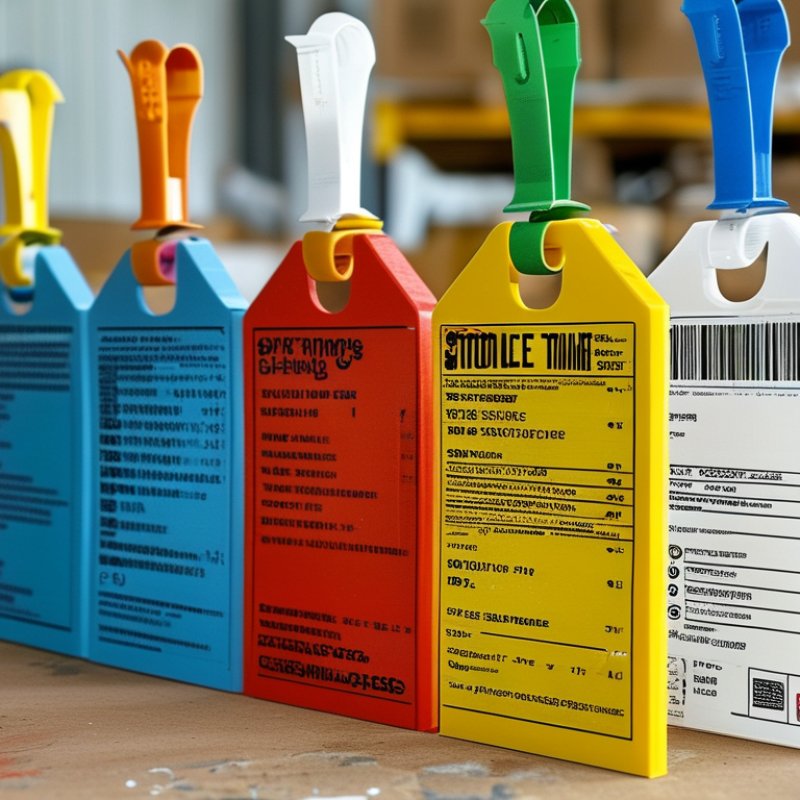
What Preprinted Barcode Labels Are and Where They Are Used
Preprinted barcode labels carry a barcode and readable text before they reach the workplace. The code usually identifies a product, location, asset, carton, or document. It does not normally contain every detail about that item. Instead, a scanner connects the identifier with records in an inventory or tracking system. Common materials include coated paper, polyester, and polypropylene. The right choice depends on exposure, handling, and surface type.
These labels are used on warehouse shelves, storage bins, shipping cartons, pallets, tools, equipment, and retail packages. In healthcare settings, they can identify files, containers, and approved sample-handling items. Manufacturing teams often place fixed process codes near workstations. Logistics workers need clear quiet zones and strong contrast, especially when scanning quickly under uneven lighting. Outdoor or refrigerated applications require adhesives that tolerate moisture and temperature changes.
In practice, I test labels with the actual scanners and surfaces used on site. A barcode can follow a recognized standard and still fail after rubbing, bending, or condensation. I have seen excellent-looking labels peel from dusty plastic. That mistake is easy to overlook. Text size, print density, adhesive strength, and scanner distance all deserve checking. Preprinted labels work best for information that rarely changes; variable data still needs an additional printing step. Even experienced teams sometimes choose appearance over durability, then discover the weakness during peak operations.
Preprinted Barcode Labels: GTIN Formats by Encoded Digit Capacity
Preprinted barcode labels are produced with fixed barcode artwork and are commonly used on retail products, cartons, pallets, healthcare items, industrial components, and shipping units. The chart compares the standardized digit capacity of major GTIN formats used in barcode labeling: GTIN-8, GTIN-12, GTIN-13, and GTIN-14. UPC-A corresponds to GTIN-12, while EAN-13 corresponds to GTIN-13.
Key Criteria for Evaluating Global Barcode Label Suppliers
When comparing the top 10 preprinted barcode label suppliers worldwide, buyers should examine more than price and production volume. Start with scan performance. Labels should remain readable under warehouse lighting, across different scanner angles, and after routine handling. Ask for test reports covering contrast, edge definition, symbol accuracy, and print durability. A clear sample matters.
Label construction also affects reliability. Check the face material, adhesive strength, roll direction, core size, and resistance to moisture, heat, abrasion, or cold storage. Suppliers should explain how they control color consistency and barcode placement between batches. In warehouse trials, labels with slight alignment shifts can slow picking operations. Small errors become expensive.
Production capacity and quality systems deserve equal attention. Review documented inspections, batch traceability, corrective-action procedures, and staff experience with international shipping requirements. Confirm realistic lead times, minimum order quantities, packaging protection, and replacement policies for defective rolls. Promises need evidence. Request samples from different production runs, not only a carefully selected set. Independent verification can reveal weaknesses that a sales specification misses.
A strong supplier should communicate clearly about limitations. No scorecard is perfect. A lower-cost label may fail sooner, while a premium material may be unnecessary for dry indoor storage. Buyers should compare total operating cost, not unit price alone. This includes relabeling labor, scanner failures, downtime, and inventory waste. Regular supplier reviews help ensure performance remains stable after the first shipment.
Top 10 Preprinted Barcode Label Suppliers Worldwide
The top 10 preprinted barcode label suppliers worldwide are judged by more than production volume. Reliable suppliers combine barcode accuracy, material knowledge, and stable quality control. They should support common formats, including Code 128, Code 39, QR codes, and GS1 symbols. A useful supplier also provides digital proofs before printing. Small errors can disrupt scanning at a warehouse door.
Strong suppliers offer paper, polypropylene, polyester, and direct thermal materials. They match adhesive strength to cartons, plastic bins, cold rooms, and dusty surfaces. Thermal transfer labels often suit long-term storage. Direct thermal stock can work for short shipping cycles. Experienced teams confirm roll direction, core size, label gap, and printer compatibility before production.
Verification should include barcode grading, print contrast, edge clarity, and batch traceability. Suppliers with calibrated scanners and documented inspections deserve closer attention. Delivery performance matters too. Buyers should ask about sample approval, replacement policies, and export packaging. A top-ten ranking can still be imperfect because regional service quality changes over time. One supplier may excel in speed but offer fewer custom materials. Another may provide excellent testing yet require larger order quantities. Clear specifications and physical samples remain essential.
Top 10 Preprinted Barcode Labels Suppliers Worldwide - Top 10 Preprinted Barcode Label Suppliers Worldwide
| Rank | Anonymous Supplier Profile | Primary Service Region | Common Barcode Formats | Label Materials | Printing Capability | Typical Applications | Customization Options | Quality & Compliance Support |
|---|---|---|---|---|---|---|---|---|
| 01 | Supplier Profile A | North America & Europe | Code 128, Code 39, UPC-A, EAN-13, QR Code | Coated paper, direct thermal, thermal transfer, polyester | Flexographic and digital printing; variable-data encoding | Retail, warehousing, shipping, inventory control | Custom sizes, colors, adhesive grades, sequential numbering | Barcode verification, proof approval, material documentation |
| 02 | Supplier Profile B | Western Europe & Middle East | EAN-8, EAN-13, ITF-14, GS1-128, Data Matrix | Semi-gloss paper, synthetic film, removable stock | High-resolution digital and flexographic printing | Food packaging, pharmaceuticals, logistics, exports | Water-resistant coatings, tamper-evident layers, die-cut shapes | Print inspection, lot traceability, regulated-market documentation |
| 03 | Supplier Profile C | East Asia & Southeast Asia | Code 128, Code 39, UPC-A, EAN-13, QR Code | Thermal paper, coated paper, polypropylene, polyester | Rotary flexographic and digital variable-data printing | Manufacturing, electronics, automotive parts, distribution | Small-format labels, multi-language artwork, roll or sheet delivery | Scan testing, adhesive selection, batch and roll identification |
| 04 | Supplier Profile D | Australia, New Zealand & Pacific Markets | Code 128, EAN-13, ITF-14, GS1-128, QR Code | Thermal transfer paper, synthetic film, freezer-grade stock | Digital printing with sequential and variable-data options | Cold-chain logistics, grocery, produce, warehouse operations | Low-temperature adhesives, moisture resistance, custom cores | Application testing, barcode readability checks, shipment traceability |
| 05 | Supplier Profile E | Latin America & North America | UPC-A, EAN-13, Code 39, Code 128, QR Code | Matte paper, semi-gloss paper, polypropylene, vinyl | Flexographic printing with barcode and numbering integration | Consumer goods, beverage, retail, asset identification | Brand artwork supplied by customer, varnishes, perforations, overlamination | Color matching, print proofs, barcode grading on request |
| 06 | Supplier Profile F | Central & Eastern Europe | Code 128, Code 39, ITF-14, EAN-13, Data Matrix | Thermal paper, coated paper, PET, polypropylene | Digital, flexographic, and thermal-transfer-compatible production | Industrial components, chemicals, transport, pallet tracking | Strong adhesives, abrasion resistance, serialized labels, multilingual layouts | Durability testing, technical data sheets, production batch records |
| 07 | Supplier Profile G | South Asia & Southeast Asia | UPC-A, EAN-13, Code 128, QR Code, Data Matrix | Direct thermal, coated paper, synthetic paper, polyester | Digital and flexographic printing for short and medium runs | Retail, apparel, e-commerce fulfillment, healthcare supplies | Variable text, logos supplied by buyers, special shapes, adhesive options | Artwork approval, barcode verification, roll inspection |
| 08 | Supplier Profile H | Africa & Middle East | Code 128, EAN-13, UPC-A, ITF-14, QR Code | Coated paper, thermal paper, polypropylene, tamper-evident film | Flexographic and digital printing with serialized data | Distribution, FMCG, pharmaceuticals, document tracking | Security features, bilingual artwork, custom adhesives, perforations | Tamper inspection, barcode scan verification, export packaging support |
| 09 | Supplier Profile I | Global E-Commerce Fulfillment Markets | Code 128, Code 39, QR Code, Data Matrix, GS1-128 | Direct thermal, thermal transfer, removable paper, synthetic film | On-demand digital printing and variable-data processing | Parcel shipping, returns management, warehouse picking | Unique shipment IDs, sequential numbering, fan-fold or roll formats | Data-file validation, scan testing, automated print inspection |
| 10 | Supplier Profile J | Worldwide Contract Manufacturing Supply Chains | Code 128, Code 39, ITF-14, EAN-13, Data Matrix | Polyester, polypropylene, coated paper, high-temperature film | Thermal transfer, flexographic, and digital printing | Industrial identification, electronics, machinery, quality control | Chemical resistance, heat resistance, serialization, custom die cutting | Material-performance testing, traceability records, barcode grading |
Comparing Supplier Capabilities, Materials, and Customization Options
Comparing the top 10 preprinted barcode label suppliers requires more than checking price lists. Procurement teams should examine printing equipment, quality controls, production capacity, and delivery records. A supplier handling high-volume orders should provide consistent color, sharp bars, and accurate variable data. Ask for recent samples, not only digital proofs. During testing, scan labels at different distances and angles. Barcode readability must remain stable after handling. Print speed matters, but it never replaces quality. Keep inspection records for every batch.
Material selection depends on the label’s environment. Direct thermal stock suits short-term shipping and warehouse use. Thermal transfer materials perform better for long-term identification. Polyester can resist moisture, abrasion, and moderate chemical exposure. Paper remains practical for dry indoor applications. Adhesive choice also matters. Cold surfaces, curved containers, and dusty cartons need different formulas. I have seen attractive labels fail because the adhesive was overlooked. That mistake deserves more attention.
Customization may include size, color, preprinted logos, sequential numbering, and variable barcode fields. Capable suppliers should support multiple symbologies and provide clear artwork approval procedures. Request a physical proof when small text or dense codes are involved. A supplier should explain tolerances, reprint policies, and inspection methods in plain language. Some suppliers offer impressive customization menus but limited technical guidance. That gap can create delays. Procurement teams should compare communication quality, sample accuracy, and response time alongside equipment and materials.
How to Select the Right Barcode Label Supplier for Your Needs
Selecting a preprinted barcode label supplier starts with the application, not the catalog. A warehouse label may face abrasion, dust, cold storage, or repeated scanning. Write down the surface, temperature range, label size, adhesive type, and expected print contrast. Small details matter. Ask for samples printed with your actual barcode numbers and artwork. Test them on curved cartons, plastic bins, and metal shelving. A supplier that discusses scan rates and verification shows stronger technical understanding than one focused only on price.
Evaluate material choices with measurable criteria. Direct thermal stock suits short-term shipping labels, while thermal transfer materials often withstand moisture and handling better. Request the face-stock specification, adhesive data, ribbon guidance, and recommended storage conditions. Check whether the supplier uses barcode verification equipment and provides inspection records for each production batch. Confirm tolerances for roll direction, core size, winding, and label gap. These details prevent jams during automated application. Ask about color consistency too. Dark ink on a pale background must remain crisp at the scanner.
Reliability appears in ordinary moments. Can the supplier repeat an approved sample six months later? Does it communicate delays before your inventory runs short? Request references from operations with similar volumes, then compare delivery performance, defect rates, and response times. A low quote can hide costly rework. I have seen teams overlook adhesive aging because the first test passed. That was a mistake. Build a small pilot order, record scan results, and review failures honestly before committing to large quantities. Leave room for improvement.


