What is a Roof Sheet and How to Choose the Right One?
Choosing the right roof sheet is crucial for any construction project. The roofing industry has evolved significantly, with a wide variety of materials available. According to a report by Grand View Research, the global roofing market is expected to reach $118.8 billion by 2025. This highlights the growing importance of selecting quality materials.
Roof sheets serve multiple purposes, such as protecting structures from weather conditions and providing insulation. Factors such as durability, weight, and cost play vital roles in selection. However, many individuals overlook these factors, leading to costly mistakes. The right roof sheet can reduce energy costs and enhance the overall lifespan of a building while ensuring greater safety.
In a survey conducted by Statista, 45% of homeowners reported experiencing roof-related issues within ten years of installation. This statistic underscores the importance of understanding material options. Seeking guidance from industry professionals can help buyers make informed decisions. Reflecting on past choices can lead to improved outcomes in future projects.
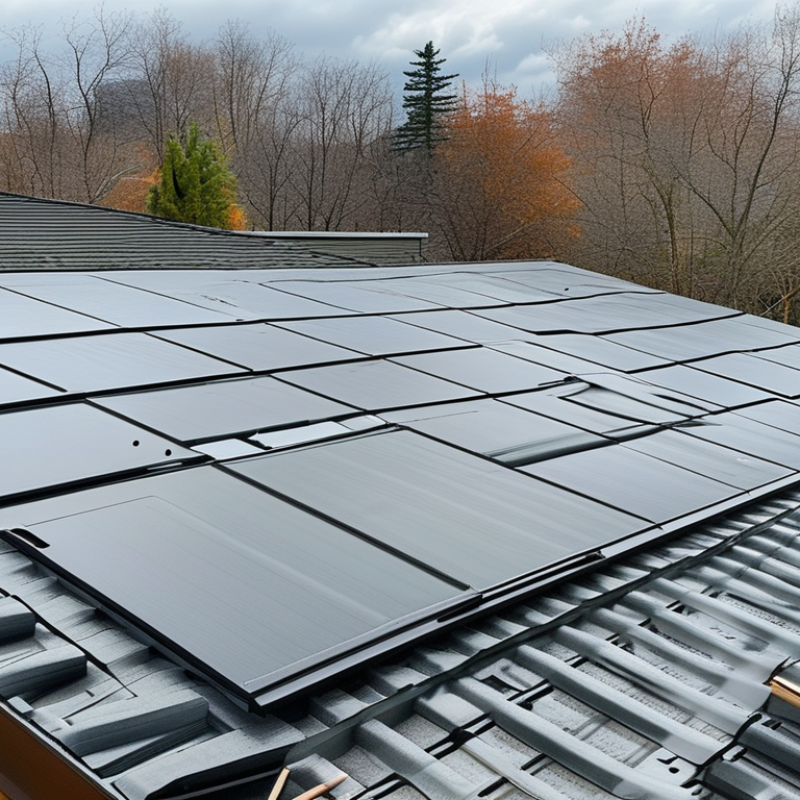
What is a Roof Sheet? Definition and Purpose Explained
A roof sheet is a crucial element in building construction. It serves as a protective layer, shielding structures from weather elements. Roof sheets can be made from various materials like metal, polycarbonate, or asphalt. Each type offers different benefits, such as durability and insulation. The right choice depends on specific factors, including climate and building design.
Understanding the purpose of roof sheets is essential. They help prevent water leakage, provide thermal insulation, and enhance aesthetic appeal. When selecting a roof sheet, consider factors like material durability and maintenance needs. A lightweight option may be ideal for residential buildings, while a robust choice might suit industrial structures better.
It is important to reflect on the long-term impact of your selection. Some materials may look appealing but can lead to higher maintenance costs. Evaluate your priorities: cost, appearance, or longevity. The roof's performance significantly influences energy efficiency and overall property value.
Types of Roof Sheets: A Comprehensive Overview
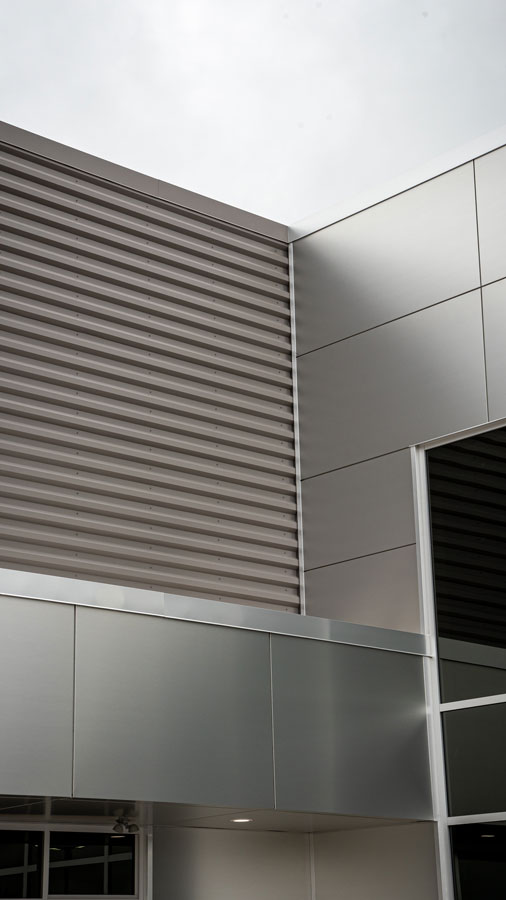
When it comes to roof sheets, the market offers various materials each with unique properties and applications. Metal, for example, is a popular choice. According to industry reports, nearly 20% of new roofs use metal sheets. They are known for durability and resistance to harsh weather. However, they can be quite noisy in rain or hail, which is a consideration for homeowners.
Another common type is PVC roofing. It provides excellent insulation and is lightweight. Research indicates that PVC sheets can reduce energy costs by up to 20%. Nevertheless, their lifespan typically ranges from 15 to 30 years, which might not satisfy long-term expectations for some users. Choosing between these options is critical. Factors such as climate, budget, and specific building needs should inform this choice. Ignoring these can lead to costly mistakes down the line.
For residential applications, asphalt sheets are also frequently used. They provide good waterproofing and are less expensive. However, their overall life expectancy is lower, often leading to premature replacements. Data shows that homeowners replacing asphalt roofs often face financial strain due to unexpected costs. Each type of roof sheet has clear advantages but also potential drawbacks that warrant careful consideration.
Key Factors to Consider When Choosing Roof Sheets
When choosing roof sheets, several key factors must be evaluated carefully. The material type is crucial. Options include metal, PVC, and asphalt. Metal roof sheets are durable and long-lasting, perfect for harsh climates. PVC sheets provide excellent waterproofing, while asphalt offers affordability. Consider the unique weather conditions of your area. Each material has its strengths and weaknesses.
Thickness is another vital aspect. Thicker sheets often provide better insulation and durability. Although they may come at a higher cost, the investment can pay off in energy savings and longevity. Also, pay attention to the color and finish. Lighter colors reflect heat, which can keep buildings cooler. A smooth finish can enhance aesthetic appeal but might require more maintenance.
Additionally, think about installation requirements. Some roof sheets are easy to install, while others need professional help. Assess your DIY capabilities accurately. If installing yourself, choose sheets that suit your skill level. Finally, take your budget into account. A cheaper option may seem appealing, but consider long-term costs. Opt for materials that offer a balance of quality and affordability to avoid future headaches.
Material Comparison for Roof Sheets
This chart compares the durability of various roof sheet materials, revealing the longevity you can expect from each option. Choose wisely based on the specific needs of your project!
Comparative Analysis of Materials for Roof Sheets
When selecting roof sheets, the material plays a critical role. Common options include metal, plastic, and asphalt. Each material presents unique benefits and drawbacks. Metal sheets offer durability and longevity, making them a popular choice. However, they can be prone to rust without proper treatment. Plastic sheets are lightweight and resistant to corrosion. They may not last as long as metal and often come with higher initial costs. Asphalt sheets, while affordable, may require more maintenance over time.
It is essential to consider the specific climate and environmental conditions of your area. For example, metal sheets may struggle in extreme weather conditions without reinforcement. In contrast, plastic may not withstand heavy impacts well. Many choose materials based on insulation properties, which can significantly affect energy efficiency. Effective insulation minimizes heat transfer, ensuring comfort indoors. Cost is also a significant factor. Some materials may require higher upfront investment but could save money in the long run.
Ultimately, your decision should reflect both immediate needs and long-term goals. It's ideal to consult with professionals to get insights tailored to your situation. Factors like the roof's slope and the architectural style of the building are important. Balancing aesthetics with functionality can be challenging but rewarding. Evaluate materials carefully before making a choice. Each option requires thorough understanding and consideration.
Installation Guidelines and Best Practices for Roof Sheets
When installing roof sheets, proper guidelines are crucial for optimal performance. Start by assessing the roof's pitch and the local climate. For instance, reports from the National Roofing Contractors Association indicate that materials perform differently in various weather conditions. Metal sheets may be ideal in regions with heavy snowfall, while polycarbonate options work best in areas with high UV exposure.
Pay close attention to the installation process. Begin with checking for any existing damage on the underlying structure. The American Society of Civil Engineers recommends ensuring proper ventilation to prevent moisture accumulation. Use appropriate fasteners; missing even one can lead to leaks. Proper spacing can prevent deformation over time.
Consider these details. Before installation, always review local building codes. They can impact the choice of materials and methods. Have a backup plan for unexpected weather changes during the installation. Remember, preventing problems is often easier than fixing them later. Engaging a qualified professional can also enhance the reliability of your project.