What is a Metal Workshop and How Can It Benefit You?
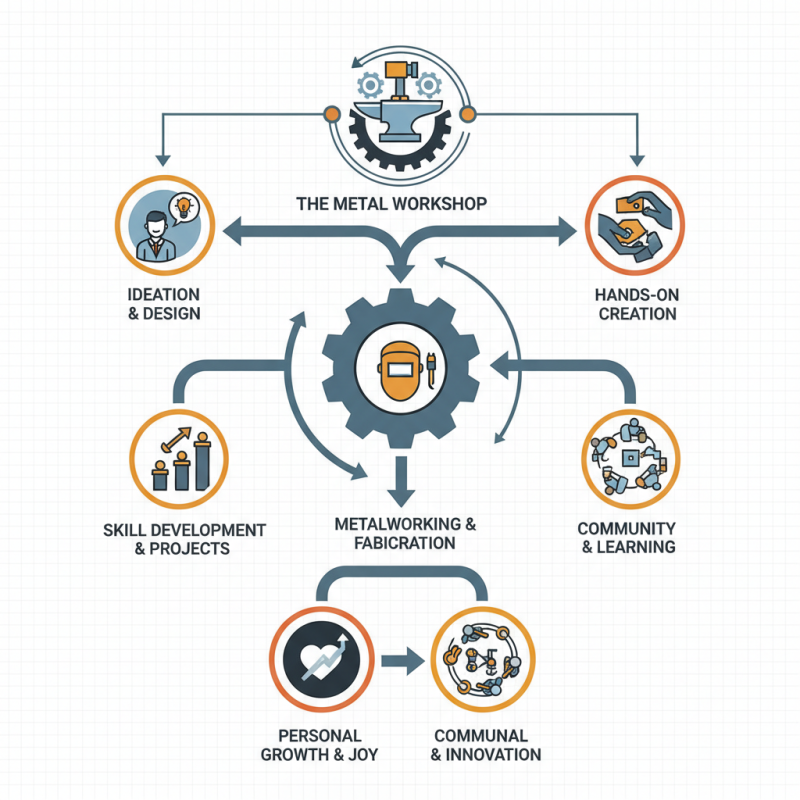
A metal workshop is a space dedicated to metalworking and fabrication. It provides tools and equipment for shaping and joining metals. This environment fosters creativity, allowing individuals to bring their ideas to life. From crafting small projects to larger constructions, a metal workshop enables hands-on learning and skill development.
Many people find joy in working with metal. The tactile nature of the materials offers a satisfying experience. However, not everyone feels confident in their abilities. Some might struggle with techniques or face challenges in design. Embracing these imperfections can lead to growth.
In a metal workshop, collaboration often happens. Beginners can learn from more experienced artisans. This exchange of knowledge is valuable. The workshop becomes a community space, where people share their passion. Ultimately, a metal workshop can transform interests into skills, fostering both personal and communal growth.
Definition and Overview of a Metal Workshop
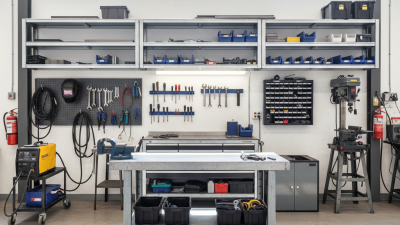
A metal workshop is a dedicated space for working with metal materials. It usually contains tools like welders, lathes, and cutting machines. These workshops allow individuals to create, design, and prototype various metal objects. The environment is typically organized, with safety measures in place to prevent accidents. Metal workshops can be found in schools, community centers, or private spaces.
In a metal workshop, creativity meets practicality. You can learn new skills, from basic metal shaping to complex fabrication. The hands-on experience can be rewarding. However, not everyone feels comfortable in such an environment. The noise and the equipment can be intimidating. It takes time to get used to the tools. Mistakes are common when first learning. This process often requires patience and resilience.
Engaging in activities at a metal workshop can enhance problem-solving skills. You encounter challenges that require quick thinking and adaptability. While it may seem stressful, this is part of the learning journey. You'll find joy in creating something tangible. The satisfaction of crafting a piece from raw metal is unmatched. Each project teaches valuable lessons in both design and execution.
Essential Tools and Equipment Used in Metal Workshops
A metal workshop is a space dedicated to working with various metals. Essential tools in these workshops help create and modify metallic objects. Common tools include welders, grinders, and drills. Each tool plays a vital role in the metalworking process.
Welders are crucial for joining metal pieces. They come in different types, such as MIG and TIG. Grinders shape and finish metal surfaces. They remove imperfections but can create hazards if not used correctly. Drills provide precision holes for assembly. Safety equipment is equally vital, including gloves and goggles. Without them, the risks in metalworking increase significantly.
A well-equipped workshop can spark creativity. However, not all workshops are ideal. Some may lack adequate ventilation or space. This can hinder productivity. Reflecting on the setup can lead to improvements. Investing in essential tools transforms ideas into reality. Remember, a metal workshop is not just about tools; it's about understanding the craft.
What is a Metal Workshop and How Can It Benefit You? - Essential Tools and Equipment Used in Metal Workshops
| Tool/Equipment |
Purpose |
Benefits |
| Welding Machine |
Joins metal pieces |
Creates strong bonds for durable constructions |
| Angle Grinder |
Cuts, grinds, and polishes metal |
Versatile tool for various finishing tasks |
| Bandsaw |
Cuts metal sheets |
Allows for precise and clean cuts |
| Drill Press |
Drills holes in metal |
Ensures consistency and accuracy in hole placement |
| Metal Shear |
Cuts through metal sheets |
Provides clean cuts without distortion |
| Bench Grinder |
Sharpens tools and metal edges |
Maintains tool efficiency and prolongs lifespan |
Skills and Techniques Learned in a Metal Workshop
Metal workshops offer a unique setting for hands-on learning. Participants can explore various skills and techniques that are essential for working with metal. Common activities include welding, forging, and cutting. Each of these methods requires a specific set of skills. Students often start with basic tasks and gradually take on more complex projects.
In a workshop, one might learn how to safely operate tools and machinery. Safety protocols are crucial. The feeling of wearing protective gear may not seem glamorous, but it is crucial for preventing injuries. Many learn the importance of precision. A small mistake can affect the entire project, leading to frustration. This teaches patience and attention to detail.
Working with metal can foster creativity. Participants may find unexpected challenges during their projects. Sometimes, a tool might not work as planned, or the metal doesn’t bend as expected. These moments encourage problem-solving. Reflection on these challenges leads to personal growth. The workshop becomes a space for experimentation and innovation.
Practical Applications and Projects in Metalworking
Metalworking offers countless practical applications that can enhance both personal and professional skills. From creating custom tools to fabricating art pieces, a metal workshop serves as a creative space. According to a report by the Fabricators and Manufacturers Association, metalworking is projected to grow by 3% over the next five years. This growth indicates a rising interest in hands-on projects.
In a metal workshop, beginners can start with simple projects. For instance, making a metal shelf or a garden planter can instill a sense of accomplishment. Advanced projects like building machinery components require more expertise. However, these projects often present challenges—errors in measurement or technique are common. Learning from mistakes is crucial for improvement.
The community aspect of metalworking is beneficial too. Workshops often foster collaboration and knowledge sharing among participants. Engaging with others can spur creativity and innovation. According to industry studies, more than 70% of hobbyists report feeling more fulfilled when working within a community. Yet, it’s important to approach new projects with a mindset of patience and continuous learning.
Benefits of Metal Workshops
Benefits of Attending Metal Workshops for Personal and Professional Growth
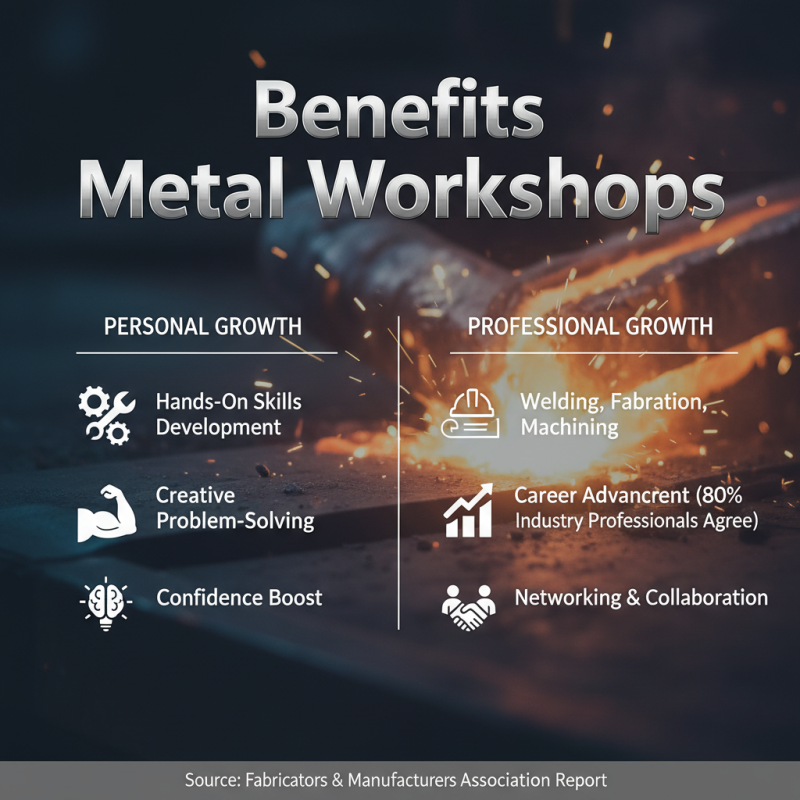
Metal workshops create unique opportunities for both personal and professional growth. Attendees can develop hands-on skills in welding, fabrication, and machining. A report by the Fabricators & Manufacturers Association highlights that 80% of industry professionals consider additional training crucial for career advancement. This indicates a clear demand for workshops that bridge skill gaps in the workforce.
Engaging in metal workshops fosters creativity and problem-solving. Participants often tackle complex projects. For example, designing and building a custom metal piece requires critical thinking and planning. Participants may struggle initially, which is a part of the learning process. A survey conducted by SkillsUSA found that 75% of students felt increased confidence after attending workshops. This confidence translates into better job performance and workplace innovation.
Moreover, workshops are social settings. Collaborating with others enhances networking opportunities. Participants learn from each other’s experiences. However, there can be challenges in communication and teamwork. Some may feel overwhelmed by working alongside experienced individuals. Embracing these challenges leads to personal growth, pushing attendees beyond their comfort zones. Overall, the experience can be transformative, even if it requires navigating discomfort.