

What Is an Insulation Wrapping Machine?
An Insulation Wrapping Machine applies protective or thermal insulation around products such as pipes, cables, and shaped components. Depending on its design, it may feed material from a roll, guide the product through a wrapping station, and control overlap or tension. The machine can be manual, semi-automatic, or integrated into a production line. Its exact function depends on the materials and product dimensions it is built to handle.
A consistent wrap matters. Loose layers may shift during handling, while excessive tension can damage delicate insulation or affect its thickness. Operators typically check material alignment, feed speed, overlap, and finished appearance during setup and production. These checks help identify problems early, but they do not replace product-specific testing or the manufacturer’s operating instructions. Small adjustments matter.
The term can be confusing because machines described as insulation wrappers do not all perform the same task. Some apply tape or film around an existing insulated product; others wrap insulation material directly around a pipe or component. That distinction is worth confirming before comparing equipment. A useful evaluation starts with the product’s shape, required insulation material, target output, and acceptable wrap quality. Ask for a demonstration using representative materials when possible. Real production conditions can reveal issues that a catalog description cannot. And no machine is a perfect fit for every line. Understanding its process, limits, and maintenance needs gives buyers and operators a more grounded basis for choosing and using an Insulation Wrapping Machine.
Definition and Purpose of an Insulation Wrapping Machine
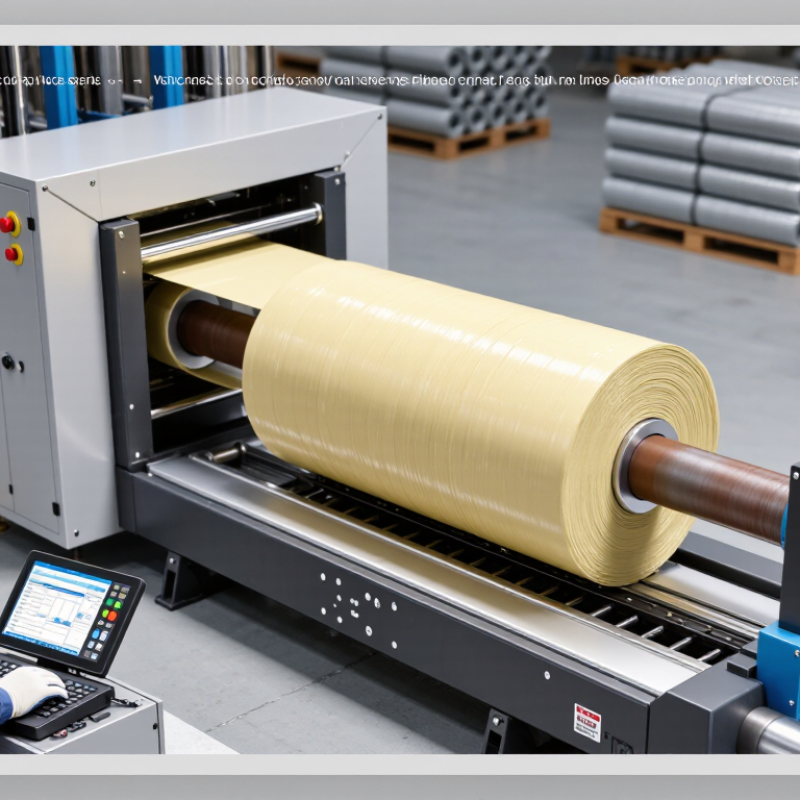
An insulation wrapping machine applies insulation or protective facing around a product, such as a pipe, cable, or shaped component. Depending on its design, it may rotate the workpiece or guide wrapping material around a stationary part. Feed rollers control the material, while tension settings help prevent slack or crushing. Some machines also cut the wrap to length or secure its edges. The exact process depends on the insulation type and the product’s shape.
Its purpose is to create a more consistent covering than manual wrapping can usually provide. Even coverage can help limit heat transfer, reduce exposed areas, and protect insulation from handling or moisture. Small gaps matter. A machine can also improve repeatability when many similar parts need wrapping, though it cannot correct poor material selection or a badly prepared surface. Operators still need to check overlap, alignment, and finished thickness. A neat-looking wrap is not always a well-insulated one. Settings that work for a straight pipe may need adjustment for bends, changing diameters, or fragile materials. For this reason, production checks remain useful, even when the wrapping cycle appears stable.
How the Wrapping Process Works
An insulation wrapping machine turns loose insulation into a more uniform, protected product. The process begins when an operator loads the insulation roll and the outer facing, such as foil or paper, onto separate unwinders. Guides bring both materials into alignment. A slight offset can create uneven edges later.
The machine draws the materials forward with rollers while controlling their tension. The insulation passes around a pipe, tube, or other shaped product as the facing covers it. Depending on the machine and material, the edges may be joined with adhesive, tape, or another specified closure. The wrapping head and feed speed must work together; excessive tension can compress soft insulation, while slack material may wrinkle or shift. That matters.
A cutting unit separates each finished length, either at a set measurement or between production runs. Operators then check the seam, coverage, and thickness before the product moves to packing or further processing. Small adjustments often make the difference. Still, settings that work for one insulation type may not suit another, so trial runs and routine inspection remain useful. Even a carefully adjusted machine can produce a poor wrap if the material enters crooked.
Key Components and Their Functions
An insulation wrapping machine applies a controlled layer of tape, foil, or other insulating material around a cable or component. Its frame holds the assembly steady. A pay-off stand feeds the insulation roll, while guide rollers align the material before it reaches the wrapping head. Small alignment errors matter: a wandering edge can leave gaps or create uneven overlaps.
The wrapping head rotates or guides the material around the product. Tension controls help prevent loose layers and torn insulation. A drive system sets the line speed, while sensors monitor movement and material position. The control panel lets operators adjust these settings. Some machines also include a take-up unit or cutter. Useful details, but not magic: sensors cannot correct poor roll loading.
Machine choices matter in an energy-intensive sector. The IEA’s Energy Efficiency 2023 report estimates that industry accounted for about 37% of global final energy consumption in 2022. That figure describes industry as a whole, not wrapping machines specifically. Still, consistent insulation application can support product quality and reduce avoidable rework. Inspect rollers for residue, check tension during changeovers, and verify overlap on a sample run. One missed adjustment can show up as a thin, exposed seam.
What Is an Insulation Wrapping Machine? — Key Components and Their Functions
A typical wrapping line feeds a conductor and insulation tape to a wrapping head, then winds the finished product for collection.
How to read the chart: Stage numbers show a typical process order, not measured performance. The tape payoff feeds the wrapping head, while the conductor payoff supplies the wire or cable. Machine layouts and component names vary by application.
Common Insulation Materials and Applications
What Is an Insulation Wrapping Machine?
Common Insulation Materials and Applications
An insulation wrapping machine applies tape or flexible insulation around a wire, cable, pipe, or other component. Depending on its configuration, it can handle materials such as mica tape, glass-fiber tape, and polymer film. These materials serve different needs: mica and glass fiber are used where heat resistance matters, while polymer films can provide electrical insulation and surface protection. The right choice depends on operating temperature, voltage, flexibility, and the surrounding environment. Details matter.
Applications range from insulating electrical conductors to wrapping pipes and equipment in buildings or industrial facilities. The Global Alliance for Buildings and Construction’s 2024 Global Status Report estimates that buildings and construction account for 32% of global energy use and 34% of energy- and process-related CO2 emissions. Insulation can help reduce heat transfer, but a wrapping machine alone does not guarantee performance. Poor overlap, uneven tension, or unsuitable material can leave gaps.
Tips: Check the material’s temperature rating and required overlap before setting the machine. Watch the first few wraps closely; small alignment errors can build along a long cable or pipe. A practical detail that is easy to miss: dust and moisture on the surface may affect adhesion.
| Insulation Material | Typical Product Form | Approximate Service Temperature Range* | Common Applications | Suitable Wrapping or Packaging Method | Key Handling Considerations |
|---|---|---|---|---|---|
| Fiberglass | Batts, rolls, loose-fill and pipe sections | Approximately −60°C to 230°C, depending on the binder, facing and product construction | Walls Roofs Ducts Pipes | Film wrapping, kraft-paper facing, foil-laminated wrapping and roll bundling | Use controlled tension to avoid crushing. Dust control and protective clothing may be required during handling. |
| Mineral Wool | Batts, slabs, rolls and pipe sections | Often suitable for high-temperature applications up to approximately 650°C or higher, depending on product grade | Industrial equipment Fire-rated walls Pipes HVAC | Protective film wrapping, moisture-resistant facing and palletized bundle wrapping | Products are relatively rigid but can shed fibers. Wrapping should protect edges and limit moisture exposure. |
| Cellulose | Loose-fill and dense-pack fiber | Generally used within normal building-envelope temperature conditions | Attics Wall cavities Floor systems | Bag filling and sealing rather than conventional roll wrapping | Requires sealed, moisture-resistant bags. Dust extraction and accurate filling control are important. |
| Expanded Polystyrene (EPS) | Rigid boards, molded blocks and shaped components | Approximately −50°C to 75°C, depending on density and product design | Foundations Floor slabs Packaging Roof systems | Stretch film, shrink film, paper wrapping and protective corner packaging | Protect from solvents, excessive heat and impact. Low-compression wrapping is preferred for fragile edges. |
| Extruded Polystyrene (XPS) | Rigid closed-cell boards | Typically approximately −50°C to 75°C, depending on formulation and application | Below-grade walls Foundations Inverted roofs Floors | Film wrapping, edge protection and strapped board bundles | Keep boards flat and protect them from ultraviolet exposure and incompatible solvents. |
| Polyurethane (PU) Foam | Rigid boards, spray foam and pipe sections | Commonly used at approximately −180°C to 110°C, depending on formulation and facing | Refrigeration Cold storage Pipelines Walls | Film wrapping, foil-laminated facing, carton packing and protective sleeve wrapping | Protect from ultraviolet light, moisture and mechanical damage. Avoid excessive tension that can deform foam. |
| Polyisocyanurate (PIR) | Rigid foil-faced boards and pipe sections | Often used up to approximately 120°C, depending on the product system and installation conditions | Commercial roofs Walls Cold rooms Industrial insulation | Foil-faced wrapping, film overwrap, edge protection and strapped bundles | Protect foil facings from puncture and maintain dry storage. Accurate alignment is important for board stacks. |
| Elastomeric Foam | Flexible sheets, tubes and rolls | Commonly approximately −50°C to 105°C, depending on formulation and thickness | HVAC ducts Chilled-water pipes Refrigeration lines | Roll wrapping, protective film overwrap, carton packing and sleeve bundling | Prevent compression, stretching and sharp folds. Seams and adhesive surfaces should remain clean. |
| Aerogel Blanket | Flexible blankets and composite panels | Often suitable for approximately −200°C to 650°C, depending on the composite and facing | Cryogenic systems High-temperature pipes Industrial equipment Space-limited areas | Low-tension film wrapping, moisture-barrier packaging and protective carton packing | Minimize abrasion and dust generation. Avoid excessive compression that may damage the blanket structure. |
| Cork Board | Rigid boards, sheets and granulated fill | Generally used in building applications within normal envelope temperatures | Walls Floors Roofs Acoustic assemblies | Paper or film wrapping, strapped board bundles and moisture-resistant packaging | Protect from prolonged moisture and edge impact. Even stacking helps prevent board deformation. |
Machine Types and Selection Factors
An insulation wrapping machine applies facing or protective layers around insulation products. The main types differ in how they move the workpiece. Spiral or rotary machines suit pipe and tube, wrapping material continuously around a moving core. Orbital machines rotate the wrapping head around a stationary or slowly moving product. Flat-bed systems are better suited to boards and panels. Semi-automatic models need operator loading and adjustment; automatic lines coordinate feeding, wrapping, and cutting.
Selection starts with the product range: diameter, length, shape, and insulation compressibility. Then check material width, roll changes, overlap control, and acceptable line speed. A fragile mineral-wool tube may need gentler tension than a rigid foam section. Small details matter. Ask suppliers to run your actual insulation and facing materials, then inspect seams, wrinkles, and cut ends. A fast trial on an easy sample can mislead.
The European Industrial Insulation Foundation’s 2017 Ecofys study estimated that improved industrial insulation could reduce EU industrial energy use by about 3%. That figure concerns insulation performance, not wrapping-machine output, but it highlights why consistent coverage matters. Compare machines by usable throughput, changeover time, scrap rate, and access for cleaning and maintenance—not rated speed alone. Also check whether operators can adjust tension and overlap without stopping the line. This is often where a polished specification meets a messy factory floor.


