How to Choose the Right Aluminum Roof?
Choosing the right aluminum roof starts with the building, not the color chart. Roof pitch, local weather, structure, and budget all shape the decision. A coastal home facing salt spray needs different coating considerations than a workshop under heavy snow. Details matter.
The U.S. Department of Energy’s Cool Roofs guidance notes that reflective roofs can be up to 50°F cooler at the surface than conventional roofs under comparable conditions. That figure describes roof temperature, not guaranteed household savings. The Metal Roofing Alliance says metal roofs generally last 40 to 70 years, though actual service life depends on installation, climate, and maintenance. These figures offer useful context, but neither should be treated as an aluminum-roof warranty.
An aluminum roof is light, corrosion-resistant, and available in different profiles and finishes. Still, “low maintenance” does not mean “no maintenance.” Check the panel gauge, coating specification, fastener system, and compatibility with the roof’s underlying materials. Ask for product documentation and installation details, not just a broad lifespan claim. A standing-seam panel may suit one design, while exposed-fastener panels may better fit another budget. Neither choice is automatically right.
Before comparing quotes, confirm wind-uplift ratings and snow-load suitability for your project. Ask how the finish performs in your climate, and what the warranty excludes. Then compare installed cost, not panel price alone. Flashing, underlayment, and workmanship can change the total considerably. It is easy to overlook those details. That is where a careful choice begins.
Understand Aluminum Roofing Types and Construction
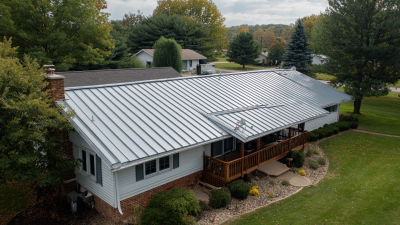
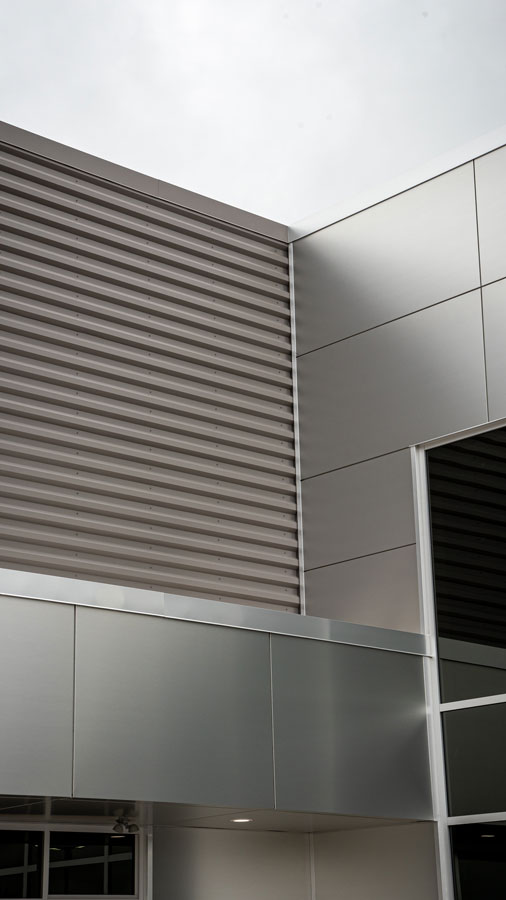
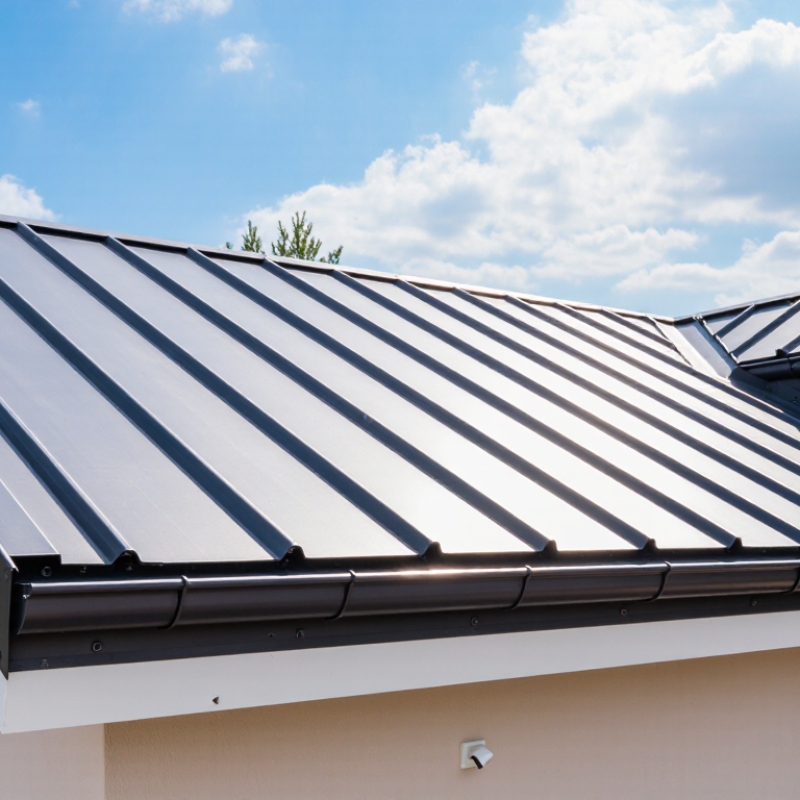
Aluminum roofing is sold as panels, shingles, and corrugated sheets, and each format changes the roof’s look and installation. Standing-seam panels use raised joints, often with concealed clips. Corrugated sheets have repeating ridges and valleys, while aluminum shingles create a smaller, layered pattern. No format wins everywhere. Roof shape, wind exposure, drainage, and the installer’s experience all matter.
Construction deserves close attention. A sound assembly begins with a stable roof deck and a compatible underlayment. Panels need suitable clips or fasteners, with room to move as temperatures change. Aluminum expands and contracts; rigidly pinning long panels can stress joints. Exposed fasteners are easier to see, but their washers and seals need periodic checking. Small details matter.
Coastal air, snow loads, and frequent rain can influence material thickness and fastening schedules, so local conditions should guide the specification. Ask how edges, valleys, vents, and eaves will be flashed; those transitions are common weak points. I would not judge a system from a small color sample alone. Rain can also sound sharper on metal than some homeowners expect, especially over open framing. That part is easy to overlook.
Assess Your Building’s Structure and Local Climate
Before comparing aluminum roof profiles, examine the building that must support them. Check the roof’s age, framing condition, rafter spacing, and deck for rot or sagging. Start with the frame. Aluminum is relatively light, but that does not remove the need to assess wind uplift, fasteners, and the existing structure. A qualified roofing professional or structural engineer can identify concerns that are easy to miss from the ground.
Local climate should shape the system you choose. Near the coast, salt exposure can affect finishes and hardware, so ask about corrosion-resistant components and regular maintenance. In snowy areas, consider roof pitch, snow movement, and how the structure handles accumulated weight. That matters. For regions with heavy rain, inspect valleys, flashing, gutters, and the underlayment; water often finds weak details before it reaches the roof’s broad panels. Large daily temperature swings also make thermal movement important. The panels and fastening system need room to expand and contract.
Use local weather patterns, not just a general climate label. A sheltered home and an exposed ridge can face very different wind loads. Ask contractors how their proposed panel profile, clips, ventilation, and drainage suit your building. Request a written inspection and clear product specifications. Even a careful attic check can leave uncertainty, especially when insulation hides the framing. Don’t guess where the structure is unclear.
| Building or Climate Factor | What to Assess | Aluminum Roofing Option to Consider | Practical Checks |
|---|---|---|---|
| Roof framing and load capacity | Check the condition, spacing, and capacity of rafters, trusses, purlins, and connections. Aluminum sheet is lightweight, but the complete roof assembly also includes panels, clips or fasteners, underlayment, and other components. | Lightweight corrugated or standing-seam panels may suit buildings where reducing roof dead load is important. | Ask a qualified building professional to verify the existing structure and the proposed system’s total design loads. Do not assume a lightweight panel eliminates the need for structural checks. |
| Roof shape and drainage | Consider roof pitch, valleys, penetrations, eaves, and how rainwater reaches the gutters or drainage system. | Standing-seam panels can provide continuous panel runs on many pitched roofs. Corrugated and other ribbed panels may also work when installed within the system’s specified limits. | Minimum slope depends on panel profile, seam design, joint details, and installation instructions. Confirm the permitted slope and flashing details for the specific system. |
| Heavy snow or ice | Determine local ground and roof snow loads, drifting risks, roof geometry, and the possibility of snow sliding toward entrances or lower roofs. | A properly engineered standing-seam or ribbed panel system can be considered; the panel profile alone does not establish snow capacity. | Use local code design loads and approved span tables. Check attachment, support spacing, drift loading, and whether engineered snow guards are needed. |
| High winds or storms | Assess local design wind speed, exposure, building height, roof-edge zones, and the condition of the roof deck or framing. | Mechanically attached panels may be suitable when the complete assembly is designed and tested for the project’s wind requirements. | Verify panel, clip, fastener, and substrate capacities together. Follow code requirements and the tested system’s installation pattern, especially at corners and edges. |
| Coastal or industrial exposure | Consider salt spray, airborne pollutants, prevailing winds, and whether runoff can carry corrosive residue onto the roof. | Aluminum is naturally corrosion-resistant, but coatings, fasteners, flashings, and contact with dissimilar metals also affect durability. | Choose compatible metals and finishes for the exposure. Follow maintenance guidance, including periodic inspection and removal of accumulated corrosive deposits where appropriate. |
| Hot sun and temperature swings | Review solar exposure, attic ventilation, insulation, thermal breaks, and expected daily and seasonal temperature changes. | Standing-seam systems with concealed sliding clips can accommodate thermal movement when designed and installed for the panel length and temperature range. | Provide the specified movement allowance at eaves, ridges, and joints. A reflective finish may reduce solar heat gain, but roof color alone does not determine indoor comfort. |
| Existing roof deck and renovation | Inspect for moisture damage, uneven surfaces, inadequate fastening, and compatibility with any existing roofing layers. | Panel systems can be installed over suitable supports or a prepared deck, depending on the product design and local code. | Confirm whether the old roofing must be removed, whether a solid deck is required, and how underlayment, ventilation, and flashing will be handled. |
| Panel weight and thickness | Compare the specified aluminum sheet thickness and the full installed assembly weight, rather than relying on a generic panel description. | For reference, aluminum sheet at 0.5–1.0 mm thickness weighs approximately 1.35–2.70 kg/m² (0.28–0.55 lb/ft²), before coatings, clips, underlayment, and accessories. | Use the manufacturer’s project-specific product data and structural design documents. Panel thickness by itself does not establish allowable span or resistance to wind, snow, or impact. |
| Selection reminder: Confirm local building-code requirements and have the complete roof assembly—including panels, supports, fasteners, flashing, and drainage—evaluated for the building and site. Product limits and installation requirements vary by system. | |||
Compare Durability, Energy Performance, and Cost
Aluminum roofs should be compared on durability, energy performance, and total cost—not appearance alone. The National Association of Home Builders’ Study of Life Expectancy of Home Components (2007) estimates metal roofing can last about 40–80 years. That broad range reflects real differences: installation quality, coating, ventilation, and exposure to salt air all matter. A loose flashing detail can spoil an otherwise durable roof.
Energy performance depends on color, finish, insulation, and local climate. The U.S. Department of Energy’s cool-roof guidance reports that reflective roofs can stay up to 50°F cooler than conventional roofs under sunny conditions. This can reduce heat entering the attic and ease cooling demand, especially in hot climates. Still, a reflective finish is not a magic fix; in cold regions, seasonal heating needs also deserve attention.
Cost should be judged over the roof’s service life. Compare itemized quotes for underlayment, fasteners, insulation, labor, and expected repairs, not just the initial invoice.
Tips: Ask contractors how coastal exposure affects the proposed coating and fasteners. Check warranty exclusions, too. Those details are easy to overlook. A higher-priced system may not pay back its premium on a shaded, mild-climate home.
Check Building Codes, Installer Qualifications, and Warranties
Before choosing an aluminum roof, check requirements with your local building department. Codes can vary by location and may cover wind uplift, snow loads, fire ratings, or coastal conditions. A roof that suits a nearby house may not meet your home’s requirements. Details matter. Ask whether permits or inspections are needed, and request the relevant requirements in writing. Generic online guidance can be useful, but it may not reflect local amendments.
Check the installer’s qualifications, insurance, and experience with aluminum roofing. Ask for references from comparable projects, then look closely at details such as flashing, underlayment, fastener spacing, and how the existing deck will be checked. Get the work scope in writing. I would not assume a polished estimate answers every question; some important details are easy to overlook. Keep copies.
Read the product and workmanship warranties separately. Compare what each covers, how long coverage lasts, and whether it depends on specific installation methods or maintenance. Check exclusions for high winds, corrosion, or repairs, and ask who pays labor if a leak needs attention. A long warranty is not automatically broad. Save the contract, receipts, and installation photos for future reference.
Choose a Roof Profile, Finish, and Maintenance Plan
Choose a roof profile that suits the roof’s slope, framing, and local weather. Standing-seam panels have raised joints that help channel water, while corrugated profiles offer a more visibly ribbed surface. Check the panel maker’s minimum-slope guidance before deciding; a profile that looks right may not suit a shallow roof. Small details matter. Ask how panels attach and where expansion is accommodated, since aluminum moves as temperatures change.
Finish affects both appearance and care. A light color can soften heat gain, while a darker tone may show dust or fading sooner. Color changes perception. In coastal or industrial areas, confirm that the coating and fasteners are intended for the exposure, and avoid direct contact with incompatible metals. Plan simple inspections at least once a year, and after severe storms. Clear leaves from valleys and gutters, look for loose fasteners or damaged coating, and rinse off accumulated grime with gentle methods. Harsh scrubbing can do harm. It is easy to focus on the sample color and overlook access for cleaning; that choice may feel less exciting, but it can make routine upkeep easier. Follow the panel supplier’s care instructions, especially before using cleaners or touching up the finish.
How to Choose the Right Aluminum Roof
Choose a roof profile that suits your roof’s slope and drainage needs, then select a finish suited to local sun, moisture, and coastal exposure. Plan regular checks to spot debris or damage early.
Suggested maintenance planning baseline: inspect the roof and clear gutters twice a year; rinse the roof and check seams and fasteners annually. These are general guidelines, not code requirements. Local conditions, roof design, and manufacturer instructions may call for a different schedule.
Related Posts
-
Top 5 Benefits of Choosing Aluminum Roofs for Homeowners in 2023 with Industry Insights on Longevity and Energy Efficiency
-
How to Install an Aluminum Roof and Maximize Its Longevity
-
7 Tips for Choosing Aluminum Roof Panels
-

2026 Top Sheet Metal Roof Panels Trends and Innovations?
-
How to Choose the Best Sheet Metal Roof Panels for Your Project?
-
2026 Best Metal Roof Panels for Your Next Project?