



How to Choose the Best LPG Gas Detector?
Choosing the right Lpg Gas Detector is a practical safety decision, not a simple product comparison. LPG can collect near floors, under cabinets, or inside poorly ventilated rooms. A reliable detector should identify leaks early and provide a clear warning before gas reaches a dangerous concentration.
This guide examines sensing technology, alarm levels, response time, power options, and installation requirements. It also considers real conditions, such as kitchen heat, dust, humidity, and limited ventilation. A detector placed too high may miss heavier-than-air LPG. A loud alarm may still be ineffective if nobody can hear it at night. Small details matter.
There is no universal best model. The right choice depends on the building layout, cylinder location, appliance type, and maintenance routine. Certified products and clear manufacturer instructions deserve careful attention. Independent testing information can also strengthen confidence, although labels alone do not guarantee perfect protection. That point is easy to overlook.
A dependable Lpg Gas Detector should support regular testing and timely sensor replacement. Users should inspect warning lights, clean the housing gently, and respond to alarms without delay. Never ignore repeated alerts, even when no smell is noticed. Human senses are inconsistent, especially during sleep or illness.
This article offers a balanced way to compare detectors. It focuses on practical evidence rather than impressive specifications. Some recommendations may require reconsideration after a site inspection. Safety planning should remain honest, specific, and adaptable.
What Is an LPG Gas Detector and How Does It Work?
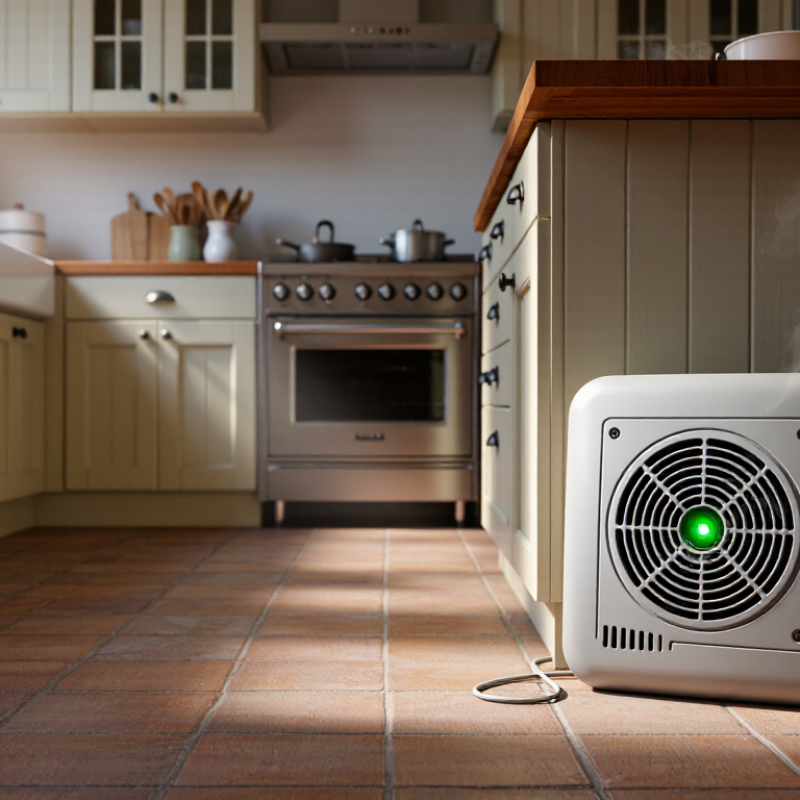
An LPG gas detector is a safety device that monitors the air for liquefied petroleum gas, including propane and butane. LPG can escape from cylinders, valves, hoses, or cooking appliances. Because it is heavier than air, leaked gas may collect near floors, drains, or enclosed corners. That detail matters when choosing an installation point.
Most detectors use a semiconductor or catalytic sensor to identify gas concentration. When the level reaches a preset threshold, the unit activates a loud alarm, often with flashing lights. Some models also provide digital readings or connect to a ventilation system. A reliable detector should respond consistently, recover after testing, and show clear fault warnings. Read the manual carefully. Small installation errors can reduce protection.
In a kitchen, place the detector near a likely leak source, but not directly above a cooker or beside strong airflow. Keep it away from steam, grease, and outdoor rain. Test the alarm regularly with the approved test function, and replace sensors according to the manufacturer’s schedule. Do not use an ordinary smoke alarm as an LPG detector. It senses a different hazard.
No detector is perfect. Dust, humidity, aging sensors, or poor placement may affect performance. I have seen users test only the alarm sound and ignore the sensor condition. That is not enough. Professional inspection is sensible for commercial kitchens, workshops, and rooms containing multiple cylinders. Fresh batteries help. They do not fix a badly positioned detector.
How to Assess LPG Detection Needs and Installation Conditions
Choosing the best LPG gas detector starts with understanding the site, not comparing product labels. LPG is heavier than air, so leaked gas may collect near floors, drains, pits, or poorly ventilated corners. Walk through the area at different times. Note cylinder locations, cooking appliances, fuel lines, windows, fans, and possible ignition sources. A small utility room needs a different detection plan than an open workshop.
Installation conditions strongly affect performance. Place sensors close to likely leak points, but avoid direct airflow from fans, open windows, or extraction outlets. Dust, grease, steam, and chemical vapors can cause unstable readings. In a kitchen, a detector mounted too close to a burner may trigger repeatedly. Too far away, it may respond too slowly. That balance requires practical judgment.
I have found that floor-level inspection often reveals risks missed on drawings. Check whether furniture, stored boxes, or equipment could block gas movement. Consider alarm visibility and sound, especially in noisy work areas or sleeping spaces. Detectors should remain accessible for testing, cleaning, and sensor replacement. Follow the manufacturer’s instructions and applicable local safety requirements.
Test the system after installation. Record the date, response, and any unusual behavior. Routine checks matter.
A perfect layout rarely exists. Conditions change.
Reassess after renovations, appliance relocation, ventilation changes, or repeated false alarms. Never silence a recurring alarm without finding its cause. Reliable protection depends on suitable placement, correct maintenance, and honest review of the real environment.
Which Sensor Type and Detection Range Should You Choose?
How to Choose the Best LPG Gas Detector?
Choosing an LPG detector starts with the sensor, not the display. In practical inspections, catalytic bead sensors remain useful for general combustible-gas monitoring. They respond quickly and usually cover a broad range of flammable gases. However, they need oxygen and may be affected by silicone vapors, sulfur compounds, or heavy contamination.
Infrared sensors can offer stable readings in harsh areas. They do not consume oxygen and often require less routine maintenance. Their cost is usually higher, and their gas response depends on the optical design. Semiconductor sensors are sensitive and affordable, but temperature, humidity, and background vapors can cause signal drift. They may suit simple warning devices, but critical sites need stronger verification.
Consider the detection range in relation to the hazard. A detector rated from 0 to 100% LEL can show how close LPG is to its lower explosive limit. Many systems use staged alarms near 10% and 20% LEL, but the correct settings depend on the risk assessment, ventilation, and applicable standards. LPG is heavier than air, so low-level mounting often makes sense near possible leak points. Do not assume every room behaves the same. Check airflow, cylinders, valves, and floor drains.
Calibration matters as much as sensor selection. Test the device with a certified gas at scheduled intervals. I have seen installation plans look precise, yet miss stagnant corners. That detail deserves a second look.
What Safety Features and Certifications Should You Look For?
How to Choose the Best LPG Gas Detector?
A reliable LPG detector should respond quickly to propane and butane leaks. LPG is heavier than air, so placement near the floor often matters. However, room layout, ventilation, and appliance location can change the best position. A qualified installer should assess these details instead of following a fixed rule.
Look for a loud audible alarm, bright visual indicators, and a clear fault signal. Useful models include automatic self-testing and battery backup during power failures. Some detectors can connect to a shut-off valve or building alarm system. Check whether the connection remains safe during sensor failure. A detector that only alarms after its sensor fails is not enough. It should also show low power, expired sensors, or wiring problems.
Certification deserves careful attention. Choose equipment tested by an independent, recognized conformity body. Check for standards covering gas detection, electrical safety, electromagnetic compatibility, and the intended installation environment. For hazardous areas, relevant approvals may include ATEX or IECEx, where applicable. Certification marks alone can mislead if the certificate does not match the exact model. Confirm the certificate number, product version, operating limits, and installation instructions. I would also inspect the replacement schedule and calibration requirements before buying. No detector is perfect. Dust, paint fumes, humidity, and poor maintenance can affect performance. A practical choice is one that makes testing simple and failure difficult to ignore.
How to Choose the Best LPG Gas Detector? - What Safety Features and Certifications Should You Look For?
| Evaluation Dimension | What to Look For | Relevant Technical Data or Standard | Why It Matters |
|---|---|---|---|
| Target Gas | The detector should explicitly support LPG components, especially propane and butane. | Propane lower explosive limit (LEL): approximately 2.1% by volume in air. Butane LEL: approximately 1.8% by volume in air. | A detector designed only for methane may not provide the intended response for LPG applications. |
| Detection Threshold | Choose adjustable or clearly specified alarm thresholds, with separate low- and high-level alarms where appropriate. | A common design point is a low alarm near 10% LEL and a high alarm near 20% LEL, but the applicable product and installation standard should determine the final settings. | Early warning can allow occupants or operators to shut off the gas and ventilate the area before a dangerous concentration develops. |
| Sensor Technology | Use a sensor type suitable for the environment, such as catalytic-bead or infrared technology for combustible-gas detection. | Catalytic sensors can be affected by oxygen deficiency or contaminants. Infrared sensors do not require oxygen for measurement and can offer good resistance to poisoning, depending on the design. | The sensor technology affects accuracy, service life, response behavior, and suitability for industrial conditions. |
| Response Time | Check the published response time, preferably including the T90 value or another defined test method. | The response time should be verified under the relevant performance standard and gas concentration; values vary by sensor and enclosure design. | A faster, verified response can reduce the time between a leak and an alarm or automatic protective action. |
| Alarm Outputs | Look for an audible alarm, visible status indicator, and relay or digital output when connection to a shut-off valve, exhaust fan, or control system is required. | Alarm sound levels and output behavior should be confirmed in the product documentation and assessed against the installation environment. | Multiple alarm interfaces help ensure that the warning is noticed and that corrective equipment can operate automatically. |
| Fail-Safe Functions | Prefer fault monitoring for sensor failure, power loss, wiring faults, calibration status, and end-of-life conditions where supported. | The device should provide a distinct fault indication and should not silently remain in an unreliable state. | Self-diagnostics help identify failures that may otherwise leave an area unprotected. |
| Hazardous-Area Certification | For classified hazardous locations, verify certification for the specific gas group, zone or division, temperature class, and protection method. | Common certification systems include ATEX under Directive 2014/34/EU and IECEx. Certification details must match the installation classification. | General-purpose equipment may create an ignition risk in areas where flammable gas can be present. |
| Performance Standard | Select a detector tested to a standard appropriate to its use, such as domestic, commercial, or industrial fixed detection. | Examples include EN 50194-1 for electrical apparatus used for the detection of combustible gases in domestic premises and IEC/EN 60079-29-1 for performance requirements of flammable-gas detectors. | The correct performance standard provides a more meaningful basis for comparing accuracy, alarms, and operating behavior. |
| Electrical and Product Safety | Check applicable electrical safety approvals, installation requirements, power-supply ratings, and regional conformity markings. | Depending on the market and product type, relevant requirements may include electrical safety, electromagnetic compatibility, and low-voltage conformity obligations. | Compliance supports safe operation and reduces the risk of interference or electrical faults. |
| Ingress Protection | Choose an IP rating suited to dust, moisture, washdown, and outdoor exposure. | For example, IP65 indicates protection against dust ingress and water jets from any direction; the rating does not by itself indicate hazardous-area approval. | Environmental protection helps preserve sensor performance and enclosure integrity. |
| Installation Location | For LPG, consider low-level mounting because propane and butane vapor are generally heavier than air. | Place the detector according to local codes and the manufacturer’s instructions, while avoiding dead-air spaces, ventilation outlets, steam, and direct contamination. | Correct placement is essential; even a certified detector may perform poorly if installed in an unsuitable location. |
| Calibration and Maintenance | Confirm calibration intervals, bump-test requirements, sensor replacement procedures, and availability of technical support. | Calibration frequency depends on the sensor, exposure conditions, regulatory requirements, and the manufacturer’s instructions. | Routine testing verifies that the detector can sense LPG and activate its alarms when required. |
| Documentation and Traceability | Require a declaration or certificate of conformity, test documentation, installation manual, operating limits, and a clear product identification label. | Certification numbers, gas coverage, ambient-temperature limits, electrical ratings, and approved installation conditions should be verifiable from official documentation. | Traceable documentation helps confirm that the selected detector is genuine, suitable, and installed within its certified limits. |
Note: Certification and installation requirements vary by country, building type, and hazardous-area classification. Always verify the current local code and the detector’s official certification documents before purchase and installation.
How to Install, Test, and Maintain an LPG Gas Detector?
Install the detector where LPG may collect. LPG is heavier than air, so the sensor usually belongs low on the wall, near the floor. Follow the installation manual and local safety requirements. Keep it away from windows, fans, doors, sinks, steam, and cooking grease. Do not hide it behind furniture. A detector needs clear airflow. Place it close enough to the appliance to sense a leak, but not directly above a burner or heat source. A licensed technician should handle fixed wiring. Turn off power before connecting any electrical device.
Test it after installation and at regular intervals. Press the test button and confirm the alarm, warning light, and any connected shutoff system respond correctly. Never test a detector with released LPG from a cylinder or pipe. That creates unnecessary danger. Use only an approved test method described by the manufacturer. Record each test date. This simple habit can reveal a forgotten inspection.
Keep the sensor clean and dry. Wipe its cover gently with a soft, dry cloth. Do not spray cleaners, paint, or insect products nearby. Check for blocked openings, loose wires, corrosion, or unusual alarms. Replace batteries promptly when indicated. Replace the detector or sensor according to its service life. One common mistake is trusting a silent device. I would recheck it after renovations, strong odors, flooding, or a power interruption. If an alarm sounds, avoid switches and flames, leave the area, and contact emergency services from a safe location.
How to Choose the Best LPG Gas Detector?
LPG detectors should be selected according to the gas present, the lower explosive limit (LEL), the required alarm levels, environmental conditions, and applicable local safety regulations.
The chart shows the approximate LEL by volume in air: propane is about 2.1% and n-butane is about 1.8%. A detector alarm commonly references a percentage of the LEL, but exact low- and high-alarm settings must follow the detector manufacturer’s instructions and local codes.
Installation
Install the sensor where LPG can accumulate, usually in low areas because propane and butane are heavier than air. Keep it away from direct ventilation, water spray, dust, and heat sources.
Testing
Perform a functional test with approved test gas after installation and at the interval specified by the manufacturer. Confirm the alarm, visual indicator, audible output, and connected safety actions.
Maintenance
Keep the sensing opening clean, inspect wiring and power supplies, record every test, and arrange periodic calibration or sensor replacement according to the product instructions and site risk assessment.


