Why Choose a Glass French Press for Your Coffee Experience?
The appeal of a Glass French Press goes beyond its aesthetic charm. For coffee enthusiasts, it represents a method that highlights the rich flavors and aromas of coffee beans. The clear glass allows you to witness the brewing magic, creating anticipation with every steep.
Choosing a Glass French Press offers precision in brewing. You have direct control over steeping time and water temperature. This not only enhances taste but also invites experimentation. Each cup can tell a different story, reflecting your personal preferences. Yet, with this control comes responsibility—imperfect brewing can lead to bitter or weak coffee.
Consider the materials carefully. Quality glass not only withstands heat but also provides safety. An unreliable press can shatter and ruin your coffee ritual. Understanding the nuances of your Glass French Press elevates your drinking experience. It’s about making each sip enjoyable and memorable, with every detail contributing to the overall enjoyment.
Benefits of Using a Glass French Press for Brewing Coffee
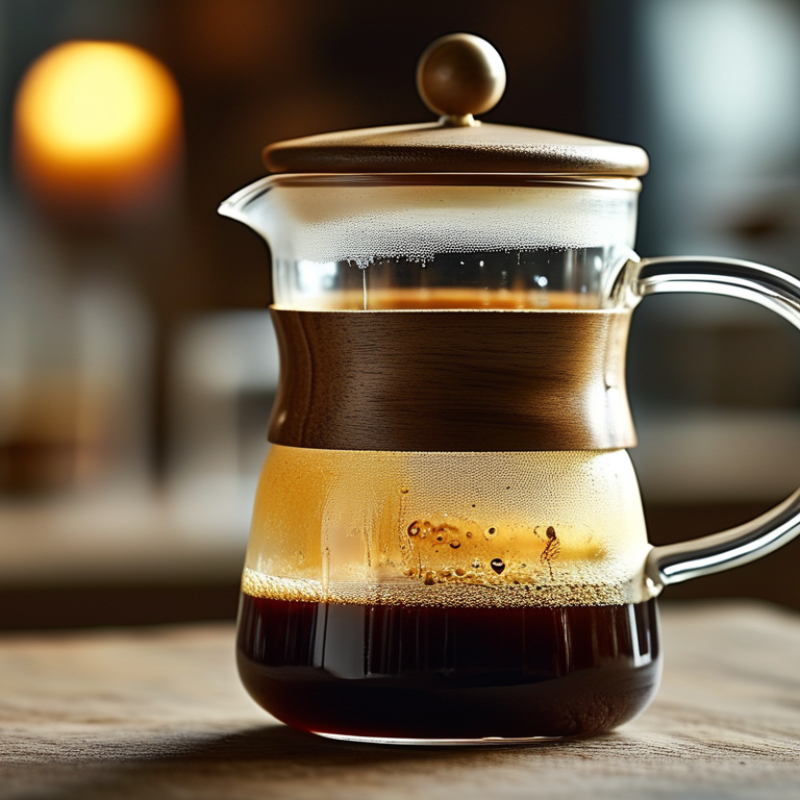
Brewing coffee with a glass French press enhances the entire experience. Its transparent body allows you to watch the coffee as it brews. This visual aspect can be mesmerizing. You see the rich, dark liquid swirl as it combines with hot water. It creates anticipation for that first sip.
The flavor profile of coffee made with a glass French press is often richer. The glass does not retain any flavors or odors, ensuring a pure taste. You can appreciate all the nuances of your coffee beans. Many coffee enthusiasts believe this brewing method brings out the best in their favorite roasts.
However, glassware is delicate. A small drop can lead to cracks or breaks. This fragility requires careful handling. Regular cleaning is essential to avoid build-up and ensure you enjoy fresh flavors. Not all beans may provide the same results, leaving room for exploration. Each brew offers a chance to reflect on your preferences and technique.
Comparison of Glass French Press and Other Coffee Brewing Methods
When considering coffee brewing methods, the glass French press offers a unique experience. Unlike standard drip coffee makers, it allows for full immersion of coffee grounds. This process enhances flavor extraction. A study by the Specialty Coffee Association noted that immersion methods can yield a richer taste profile. For those who savor their coffee, the French press can be a game changer.
In contrast, methods like pour-over or espresso serve specific flavors but limit the richness. Pour-overs are praised for clarity but often miss the robust notes from various beans. Espresso machines require precision and maintenance that some may find overwhelming. A survey by Statista revealed that 30% of coffee drinkers prefer brewing methods that are quick and easy. However, the glass French press caters to those who appreciate the artistry of brewing.
While the glass French press excels in flavor, it does have drawbacks. The fragility of glass presents a risk in busy kitchens. Additionally, it can require careful cleanup. Some users may find the sediment at the bottom unappealing. Despite these challenges, many coffee enthusiasts still prefer it for its ability to unlock complex flavors and deliver a satisfying cup.
Impact of Brewing Time on Coffee Flavor with a Glass French Press
Brewing coffee with a glass French press offers a unique opportunity to explore how brewing time affects flavor. According to a study published in the Journal of Food Science, brewing time significantly influences the extraction of flavor compounds from coffee grounds. Typically, a steeping time of four minutes can yield a balanced brew. However, extending this to six or seven minutes may produce a richer flavor but can lead to bitterness.
The temperature of the water also plays a crucial role. Ideally, water should be between 195°F and 205°F. If water is too hot, it can extract undesirable compounds more quickly, leading to a harsh taste. Conversely, brewing at a lower temperature may result in under-extraction. Maintaining the right temperature is essential for achieving that perfect cup.
Some coffee aficionados might experiment with longer brewing times to find their ideal flavor. However, finding the right balance can be challenging. It’s essential to note that every coffee bean is different, and variables like grind size and origin can influence the brew. Regularly adjusting your approach based on these factors can enhance your overall coffee experience. This experimentation embodies the art and science of coffee brewing.
Temperature Retention of Glass French Press Compared to Metal Alternatives
A glass French press offers a unique approach to brewing coffee. One of its standout features is its ability to retain temperature. While metal presses can often lose heat rapidly, glass maintains ideal brewing temperatures for longer periods. This consistency allows for a more flavorful extraction of coffee oils and essences.
The insulation properties of glass can sometimes be underestimated. While metal may conduct heat better initially, glass can hold onto that warmth once heated. This is crucial for a rich brew. When you pour hot water over coffee grounds, you want the temperature to remain stable throughout the steeping process. A glass French press shines in this aspect, ensuring that the coffee develops its full flavor profile.
However, glass is not without its flaws. It can be fragile and may break if not handled with care. Users must consider their brewing environment. A metal French press could be more durable but might compromise on the warmth during brewing. This trade-off requires reflection on what you prioritize in your coffee experience: robustness or flavor fidelity.
Why Choose a Glass French Press for Your Coffee Experience? - Temperature Retention of Glass French Press Compared to Metal Alternatives
| Type | Material | Initial Temperature (°C) | Temperature After 10 Minutes (°C) | Temperature Retention (°C) |
| Glass French Press | Glass | 95 | 82 | 13 |
| Stainless Steel French Press | Metal | 95 | 88 | 7 |
| Copper French Press | Metal | 95 | 87 | 8 |
| Plastic French Press | Plastic | 95 | 80 | 15 |
Maintenance and Longevity of Glass French Press in Daily Use
Using a glass French press can elevate your coffee ritual, but maintaining it is crucial for longevity. Regular cleaning is essential. The glass can develop stains and retain oils from coffee. To avoid this, rinse the carafe immediately after use. A gentle scrub with a non-abrasive sponge keeps it clear. Avoid harsh chemicals, as they can etch the glass.
One potential drawback is the fragility of glass. Accidental bumps can lead to cracks or breakage. Consider placing the press on a stable surface, away from the edge. Storing it in a safe cabinet also reduces risk. Be mindful of temperature changes, too; sudden impacts can cause thermal shock.
Over time, the mesh filter may wear out, affecting the brew quality. Replacing it regularly maintains flavor consistency. Keep an eye on the components: the lid and plunger must function smoothly. Any sign of resistance may indicate wear. Taking these steps will ensure that your glass French press remains reliable and continues to enhance your coffee experience.