What Is the Best Hybrid UV Printer from China?
Choosing the best Hybrid Uv Printer from China requires more than comparing prices and colorful product photos. A reliable decision begins with the machine’s real working conditions. Consider the materials you print, the required sheet size, daily output, ink performance, and available floor space. A printer for rigid boards may not suit flexible film or short-run packaging. These differences matter.
In practical evaluations, I would inspect print samples under normal lighting, not only polished showroom images. Look closely at small text, solid color areas, gradients, and white ink coverage. Ask the manufacturer for videos showing loading, calibration, cleaning, and continuous printing. A trustworthy supplier should explain printhead options, curing systems, software compatibility, warranty terms, and spare-part availability. Clear answers build confidence.
Do not ignore service.
A strong Hybrid Uv Printer should offer stable registration between flat and roll-fed materials. Its vacuum table, curing lamps, carriage movement, and ink circulation system deserve careful attention. I would also request references from buyers using similar media and production volumes. Their experience may reveal noise, maintenance frequency, or delivery delays that brochures hide. Certification can support reliability, but it cannot replace testing.
The “best” machine is not always the fastest or cheapest. It should match your workflow and remain manageable after installation. Some specifications look impressive but provide little value in daily production. I have seen comparisons focus too heavily on resolution while overlooking operator training. That is a mistake worth reconsidering. A balanced review should examine performance, ownership cost, technical support, and honest limitations before recommending any Chinese manufacturer.
What Is a Hybrid UV Printer and How Does It Work?
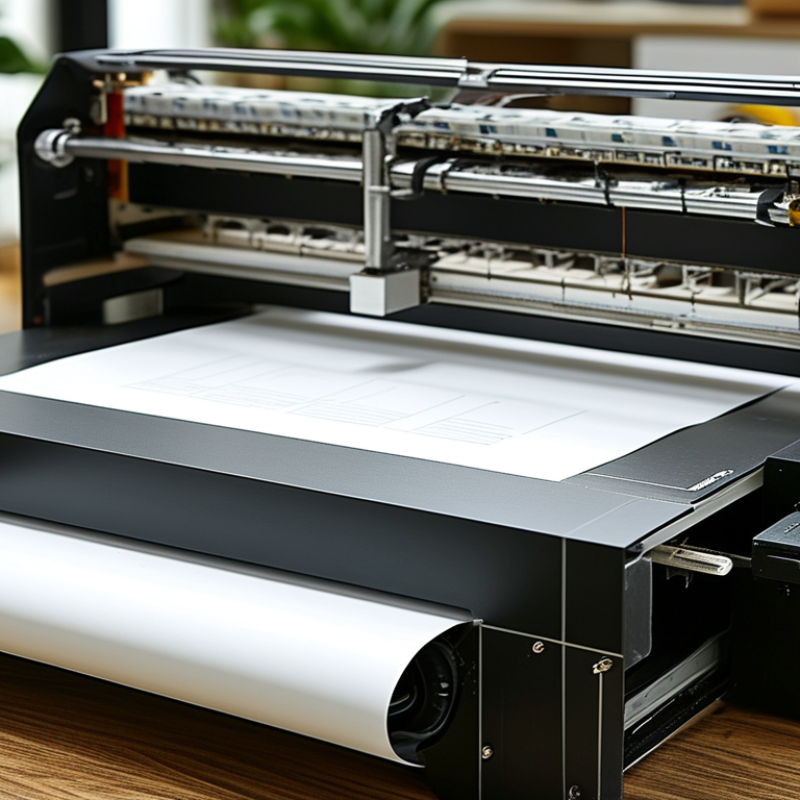
A hybrid UV printer combines a flatbed table with a roll-to-roll media system. It can print on rigid boards, flexible films, banners, glass, wood, and coated metal. The print carriage deposits UV-curable ink through tiny nozzles. UV LED lamps then cure each ink layer almost immediately. The result feels dry as it leaves the machine.
This process differs from solvent printing. The ink does not need long evaporation time. It bonds through light-triggered polymerization, creating a durable surface. According to MarketsandMarkets, the global UV curing system market is projected to grow from about USD 4.2 billion in 2023 to USD 7.2 billion by 2028. That growth reflects wider demand for fast, lower-emission curing technologies. Smithers also identifies digital printing as an expanding option for short-run and customized packaging production.
In practice, a hybrid model saves floor space and reduces equipment changes. A rigid panel can move across the vacuum bed, while a flexible roll feeds through the same printing path. However, media handling remains a weak point. Thin film may wrinkle, and uneven boards can affect nozzle distance. I would test adhesion, color consistency, and curing strength before judging speed. A laboratory result is not a production result. Operators also need regular nozzle checks, lamp maintenance, and controlled workshop conditions. Specifications can look impressive. Output quality still depends on calibration, ink selection, and daily discipline.
What Is the Best Hybrid UV Printer from China?
Hybrid UV printers combine flatbed and roll-to-roll printing. The representative output figures below show how production speed typically changes with print quality and pass count.
How it works: UV ink is deposited onto rigid or flexible media and cured immediately by ultraviolet LED lamps. Draft modes use fewer passes for higher throughput, while production and high-quality modes use additional passes to improve ink coverage, detail, and color consistency. Actual output depends on media, resolution, ink coverage, and machine configuration.
Which Features Define the Best Hybrid UV Printer from China?
The best hybrid UV printer from China is defined by practical flexibility, not a dramatic specification sheet. It should handle rigid boards, vinyl, film, and irregular substrates with stable registration. A reliable hybrid design combines a flatbed table with roll-to-roll feeding. This reduces changeover time during mixed production. White ink, varnish, and layered printing expand useful applications. However, extra channels increase maintenance demands. More features are not automatically better.
Market evidence supports this direction. Smithers projects digital print for packaging to reach about $36.9 billion by 2028, from approximately $22 billion in 2023. That growth increases demand for short runs and customized production. A suitable printer therefore needs accurate media profiles, dependable vacuum control, automated nozzle checks, and consistent UV curing. RadTech reports that UV LED systems can reduce energy use substantially compared with conventional UV lamps, depending on the application and operating conditions. Low-heat curing also helps protect sensitive films and coated materials. Ask for measured energy data, not vague claims.
Operator experience matters. A clear interface, fast calibration, and accessible printheads can prevent costly delays. Service response is equally important, especially when importing equipment. Request sample tests using your actual media, including dark film and textured board. Inspect banding under side lighting. Small defects become obvious there. I would also question impressive speed figures; production speed often falls after white ink, high quality, or multiple passes are selected. A strong purchase decision balances output, maintenance, energy, workflow compatibility, and verified after-sales support.
How to Compare Chinese Hybrid UV Printers by Quality and Performance
Choosing the best hybrid UV printer from China requires more than comparing advertised speed. Quality appears in small details, such as smooth color gradients, accurate white ink layers, and clean edges around fine text. Ask for printed samples using your actual materials. A sample on coated board may look excellent, while uncoated wood exposes weak adhesion.
Performance depends on printhead alignment, curing consistency, and media handling. Watch the printer during a continuous production test. Does the vacuum table hold thin sheets evenly? Does the curing system prevent tacky surfaces? Check whether the software maintains accurate registration after repeated passes. A fast carriage means little if reprints increase. Speed is not everything.
Inspect the frame, rails, ink circulation, and maintenance access. Reliable machines usually make daily cleaning simple and measurable. Request records for spare parts, technician response times, and operator training. Written specifications are useful, but practical evidence matters more. Be careful with impressive resolution numbers. They may not reflect usable detail at production speed.
No hybrid UV printer performs perfectly on every substrate. I would compare total operating cost, not only the purchase price. Ink consumption, lamp life, rejected sheets, and downtime can change the decision. Leave room for doubt. Your workshop conditions, staff experience, and local service support may affect results more than a brochure suggests.
Which Materials and Applications Suit a Hybrid UV Printer Best?
A hybrid UV printer suits businesses handling both rigid sheets and flexible rolls. Its value appears when jobs change quickly, not when one material dominates production. Acrylic, PVC boards, foam board, aluminum composite panels, coated wood, vinyl, and banner media are common choices. Each surface reacts differently to ink, heat, and curing energy.
Rigid materials work well for signs, retail displays, wall panels, and directional boards. UV ink can create sharp text and dense color on smooth acrylic. Textured wood may need a primer or surface preparation. Flexible media supports banners, window graphics, decals, and short-run interior decoration. Always check the media’s coating and thickness before printing. Not every surface behaves well.
That matters. Practical testing should include adhesion, scratch resistance, color consistency, and curing under real production speeds. A small sample can reveal banding, ink spread, or weak bonding. In shop trials, operators should record ink limits, vacuum settings, curing power, and drying time. Manufacturer specifications are useful, but they cannot replace local testing. A profile that works in one climate may fail in another. Humidity, dust, and storage conditions can change results. This is easy to underestimate. The best hybrid UV printer is therefore the one that handles your actual materials reliably, with stable calibration, safe operation, and accessible technical support.
How to Choose a Reliable Chinese Hybrid UV Printer Supplier?
Choosing the best hybrid UV printer from China starts with the supplier, not the machine’s advertised speed. A reliable supplier should explain printhead options, curing power, ink compatibility, and maintenance requirements clearly. Ask for a live demonstration using your own files and materials. See it running. Test rigid boards, flexible film, and textured surfaces. Check fine text, solid colors, white ink coverage, and varnish consistency.
Request a printed sample from the same production configuration you would purchase. Inspect banding, color shifts, registration accuracy, and drying performance under normal workshop conditions. A polished showroom sample can mislead. During equipment evaluations, small details often reveal more than impressive specifications. Listen for unusual mechanical noise. Observe ink circulation and carriage movement. Ask how quickly common faults can be diagnosed remotely.
Supplier reliability also depends on documentation and after-sales support. Confirm the warranty in writing, including printhead coverage and response times. Request installation instructions, maintenance schedules, electrical requirements, and spare-parts availability. A dependable factory should provide serial records and practical operator training. It should also explain which performance claims depend on speed, resolution, or material choice. Be cautious when every answer sounds perfect. Real machines need cleaning, calibration, and occasional adjustment. Speak with recent customers if possible, and verify whether the supplier can support your working hours and local service needs. A lower purchase price may become expensive when technical help arrives slowly.