7 Best Gantry Mills for Sale in 2026?
Choosing among the 7 Best Gantry Mills for Sale in 2026 requires more than comparing prices and spindle speeds. A Gantry Mill must match the work envelope, material, tolerances, and production rhythm of your shop. Large bridge structures can machine oversized plates, molds, aerospace components, and welded assemblies. However, impressive travel does not guarantee stable cutting.
Industry data supports careful evaluation. The U.S. Manufacturing Technology Orders reports from AMT track continuing investment in advanced metalworking equipment, including larger and more automated systems. Grand View Research’s machine tools market analysis also identifies automation, digital monitoring, and higher-precision manufacturing as important growth drivers. These reports are not gantry-mill buying guides, but they show where purchasing priorities are moving.
The machines selected for this guide are assessed through practical criteria. These include X, Y, and Z travel, table load, spindle torque, thermal control, linear-guide design, chip evacuation, and controller capability. Service coverage matters too. A powerful spindle is useless when replacement parts remain unavailable for weeks.
Look closely.
Buyers should also calculate total ownership cost. Installation, foundation work, coolant management, tooling, energy use, software, and operator training can change the final investment significantly. A cheaper machine may become expensive after commissioning problems or weak local support. I have not treated every advertised specification as equally reliable. Some manufacturers publish maximum values without explaining test conditions. That gap deserves caution. The final shortlist therefore balances measurable performance with credible documentation, operator feedback, and long-term maintainability.
What Is a Gantry Mill and How Does It Work?
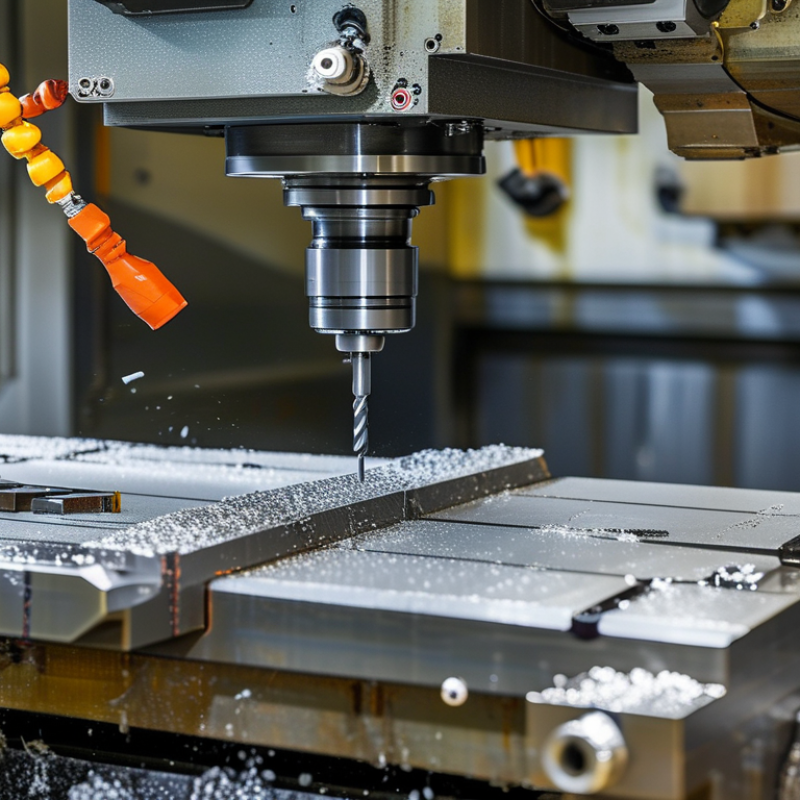
A gantry mill is a large machining system designed for wide, heavy, or unusually tall workpieces. Its cutting head moves across a rigid overhead bridge, while the bridge travels along parallel rails. This structure resembles a doorway over the worktable. It keeps the spindle supported during demanding cuts.
The workpiece usually rests on a fixed table or floor-level platform. Clamps secure it before machining begins. The operator then loads a digital program or controls the axes manually. The spindle rotates a cutting tool, removing material from metal, composites, or other approved materials. Different axes control side-to-side, forward-and-back, and vertical movement. Some machines also rotate the tool head for angled surfaces.
Gantry mills are often selected for frames, molds, machinery bases, and large structural components. Their open working area can simplify loading with a crane. However, size does not guarantee accuracy. Rail alignment, thermal movement, vibration, and tool condition still matter. I have found that a smaller, well-maintained machine can outperform a larger neglected one.
When comparing seven gantry mills for sale in 2026, inspect the working envelope, spindle power, travel speed, table capacity, and control system. Ask for recent accuracy reports, maintenance records, and test-cut results. A glossy specification sheet is not enough. Check the machine in operation, if possible. Listen for uneven spindle noise. Watch the axis movement. Small hesitation can reveal bigger problems.
Seven Best Gantry Mills for Sale in 2026
Seven Best Gantry Mills for Sale in 2026
The seven best gantry mills for sale in 2026 cover different production realities. A fixed-bridge three-axis mill suits repeated steel parts and stable floor layouts. A moving-gantry mill saves loading space. A double-column mill offers stronger cutting support for oversized plates. A five-axis gantry mill handles angled surfaces with fewer setups. A high-speed model fits aluminum, molds, and detailed components. A heavy-duty mill serves cast iron and difficult alloys. A compact gantry mill suits small workshops with limited power and space.
MarketsandMarkets estimates the CNC machine market could reach about 112.7 billion dollars by 2028, with steady growth from automation and precision manufacturing. The International Federation of Robotics reported 541,302 industrial robots installed globally in 2023. That trend matters. Gantry mills increasingly need automation-ready doors, probing, tool monitoring, and reliable chip evacuation. However, automation alone cannot correct weak foundations or poor thermal control.
During evaluation, measure actual travels, spindle torque, table load, and positioning accuracy. ISO 230-2 testing provides a useful basis for checking positioning performance. Inspect the guideways after warm-up, not only during a showroom demonstration. Ask for cutting samples in your material. Watch the chips. A machine may look impressive but struggle with long, interrupted cuts. I would also calculate installation costs, coolant filtration, lifting requirements, and operator training. My own preference changes with the job. The largest frame is not always the best purchase. A smaller, rigid mill can be more productive. That is easy to overlook.
7 Best Gantry Mills for Sale in 2026
This comparison ranks seven representative gantry mill configurations by maximum X-axis travel. Larger machines generally support bigger workpieces, while spindle power and speed indicate cutting capacity and suitability for aluminum, steel, and other industrial materials. Specifications are presented as anonymized market configurations without company or brand names.
How to Compare Gantry Mill Specifications and Prices
When comparing gantry mills for sale in 2026, begin with the workpiece, not the advertised price. Measure its length, width, height, and weight. Leave clearance for clamps and tool changes. A machine with a large working envelope may still feel restrictive around a bulky fixture.
Check spindle power, taper size, speed range, and continuous duty ratings. High horsepower helps with heavy cuts, but it can increase electrical demand and operating costs. Review axis travel, rapid-feed speed, positioning accuracy, and repeatability separately. They describe different performance traits. Do not rely on one impressive number. A rigid cast structure, supported linear guides, and effective chip evacuation often matter more during long production runs. I have seen buyers overlook table loading limits. That mistake becomes expensive.
Price comparisons need more than the machine invoice. Request a written quote covering tooling, control software, delivery, installation, training, inspection, and warranty support. Compare the same configuration across suppliers. A lower quote may exclude probing, coolant filtration, or a rotary attachment. Ask for sample-cut records and service response times. Local technicians can reduce downtime, although their availability should be verified. Energy use and replacement components also affect ownership costs. My own comparison process is not perfect; projected maintenance can be difficult to estimate. Still, a spreadsheet showing purchase price, annual service, tooling, and expected utilization reveals hidden differences. A cheap machine is not always economical.
Buying, Installing, and Maintaining a Gantry Mill
Choosing among seven gantry mills in 2026 requires more than comparing prices. Start with the work envelope, spindle speed, table load, and control features. Measure your largest planned part, then leave clearance for fixtures and tool changes. A machine that barely fits today may restrict tomorrow’s orders. Check frame rigidity, guide protection, chip evacuation, and service access. Ask for documented accuracy tests, electrical requirements, installation drawings, and spare-part availability. Good evidence beats confident sales language. Not always.
Installation begins before delivery. Confirm floor capacity, anchor locations, door height, lifting access, and climate control. A level foundation matters, but thermal stability matters too. Keep temperature changes gradual. Use qualified technicians for alignment, electrical connections, and safety checks.
After power-up, test axis travel, spindle runout, tool changes, lubrication, and emergency stops. Cut a sample part and inspect its dimensions with calibrated instruments. Record the results. Small errors can expose larger setup problems.
Maintenance should follow a written schedule based on operating hours and workload. Clean chips from guards, inspect way covers, check lubrication levels, and verify coolant condition every shift. Monitor vibration, unusual heat, backlash, and surface finish changes. These clues often appear before a failure. Keep inspection logs with dates, readings, and corrective actions. Operators need training, not just manuals. I would also budget for downtime, because perfect planning is unrealistic. Some recommendations may change after the first production month. Review actual wear and energy use, then adjust service intervals without ignoring the manufacturer’s specifications.