


Best Cement Plant Manufacturers in China
Choosing among the best cement plant manufacturers in China requires more than comparing equipment prices. A reliable supplier should understand the full production line, from raw material handling and grinding to kiln operation, cooling, and packing. Each stage affects output, energy use, product consistency, and maintenance needs. Small details matter.
This guide introduces practical points for evaluating manufacturers, including engineering experience, project references, equipment scope, quality controls, and after-sales support. Buyers should ask what is included in a quotation and what remains the customer’s responsibility. A clear answer is valuable. Site conditions, fuel type, limestone quality, local standards, and target capacity can all change the right design. No single manufacturer is automatically the best fit for every project.
Company claims deserve careful review. Request verifiable project records, discuss commissioning plans, and clarify spare-parts availability before making a decision. When possible, speak with existing clients or inspect a comparable operating line. These checks cannot remove every risk, but they can reveal gaps that a brochure may not show. The following overview focuses on decision-making criteria rather than unsupported rankings, helping readers compare Cement Plant manufacturers with a more informed, realistic perspective.
Overview of China's Cement Plant Manufacturing Industry
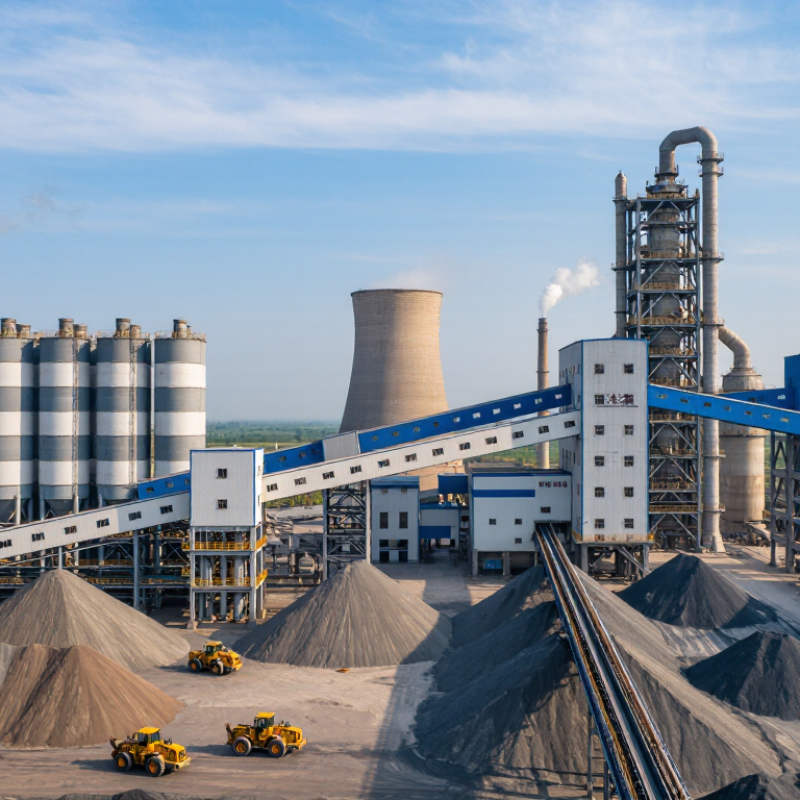
China’s cement plant manufacturing industry covers far more than kiln production. Suppliers engineer interconnected systems, including limestone crushers, preheaters, rotary kilns, clinker coolers, mills, conveyors, and dust-control equipment. Scale matters. A plant’s design depends on raw-material quality, fuel supply, electricity costs, and the cement products it must make. Even small differences in limestone chemistry can affect process settings and equipment wear.
Many manufacturers combine equipment production with engineering, installation, and commissioning services. Automation helps operators monitor temperatures, material flow, and energy use, but reliable results still depend on maintenance and skilled staff. China’s broad industrial supply chain can support large projects and provide many equipment options. Export projects also need adaptation to local power systems, climate, construction capacity, and access to spare parts. Not always. A standard design may fit poorly when site conditions differ.
For buyers, comparing plant capacity alone gives an incomplete picture. Review energy-consumption assumptions, emissions-control systems, maintenance plans, spare-parts availability, and documented project experience. Ask how performance claims were measured, and under what operating conditions. Some proposals can emphasize headline output while giving less attention to long-term operating costs. That deserves scrutiny. The industry is extensive, but technical quality and after-sales support can vary between projects.
China Cement Industry: Annual Cement Production
National cement output declined after 2021, reflecting a contraction in production across the industry.
Source: National Bureau of Statistics of China. Figures are rounded estimates in billion tonnes.
Key Technologies Used in Modern Cement Plants
Modern cement plants depend on coordinated technologies, not just larger kilns. In the raw-material area, online analyzers can measure limestone chemistry and help operators adjust the blend before it reaches the mill. Vertical roller mills combine grinding and drying, which can reduce energy use when feed moisture and particle size stay within operating limits. The details matter. A poorly calibrated analyzer can still send the wrong signal.
In the kiln line, preheaters and precalciners use hot exhaust gases to warm and partially process raw meal before it enters the rotary kiln. Variable-speed drives control fans and conveyors, while process-control systems track temperatures, pressure, and fuel flow. Sensors can flag unusual changes, but staff still need to check equipment in person. Dust collectors and waste-heat recovery systems can improve plant performance, though results depend on maintenance and local operating conditions. Automation helps; it does not remove every uncertainty.
Tips: When assessing a plant design, ask for measured power use per tonne, kiln heat consumption, and emissions data under stated conditions. Check how often key sensors are calibrated, and whether operators receive practical training. A dashboard may look convincing. The maintenance log tells more.
Leading Cement Plant Manufacturers in China
Leading cement plant manufacturers in China serve projects ranging from compact grinding lines to integrated plants with quarry, kiln, and packing sections. Their value is not just equipment supply. It is the ability to connect process design, civil works, automation, and commissioning into a workable plan. Ask for production data from plants using similar raw materials and fuels. Clinker quality can shift when limestone chemistry changes.
Small details matter.
When comparing proposals, examine kiln dimensions, preheater stages, mill output, dust-collection design, and expected energy use per tonne. Request the assumptions behind capacity figures, plus a list of included equipment and exclusions. A site visit or independently checked operating records can reveal gaps that polished brochures miss.
Not every detail will be perfect. That deserves discussion.
Check spare-parts lead times, operator training, and remote-support arrangements before signing. Compare documented performance limits with local site conditions, including power supply, climate, and available maintenance skills.
How to Compare Manufacturers and Project Capabilities
Comparing cement plant manufacturers starts with the project, not a catalogue. Define the required capacity, raw material characteristics, fuel options, and local climate before reviewing proposals. A plant near a coastal site may need different corrosion protection from one in a dry inland region. Ask how the supplier sizes the kiln, cooler, mills, and dust-control equipment for your specific feed.
Look beyond headline capacity. Request process flow diagrams, equipment lists, utility estimates, and a clear scope of supply. Check whether engineering, installation supervision, commissioning, and operator training are included. Ask for references from projects with similar capacity and materials, then verify what the supplier actually delivered. Details matter. A site visit can reveal practical issues that brochures miss, such as access for maintenance or crowded control rooms.
Project capability also depends on coordination. Confirm who manages civil works interfaces, electrical systems, automation, and performance testing. Review delivery schedules alongside the approval process; a fast equipment shipment cannot compensate for late drawings. Ask how performance guarantees are measured and what operating conditions they assume. Be cautious when every estimate appears precise before test data exists. Comparisons are not always clean, and I would note uncertainties rather than hide them. A transparent proposal should identify exclusions, assumptions, and the person responsible for resolving each open item.
Market Trends and Criteria for Choosing a Manufacturer
China’s cement equipment market is changing as producers seek lower energy use, steadier output, and clearer process data. Digital monitoring can help operators spot temperature swings or kiln downtime sooner. Energy-saving designs and dust-control systems also deserve close review. Yet a new control panel alone does not guarantee better performance. Ask for operating data from comparable plants, not only projected figures.
Choosing a manufacturer takes more than comparing equipment prices. Check its experience with the required kiln capacity, raw materials, and local site conditions. Request references, commissioning schedules, spare-parts plans, and details about technician support after installation. During a plant visit, look at weld quality, cable routing, and how operators access maintenance points. Small details matter. Confirm how performance guarantees are measured, including fuel use, output, and product quality. Some proposals may leave gaps in these terms; that is worth questioning, even when the supplier seems experienced. A careful review of drawings, service responsibilities, and realistic delivery timelines can reduce surprises later.
Best Cement Plant Manufacturers in China - Market Trends and Criteria for Choosing a Manufacturer
| Area | Market Trend or Selection Criterion | What to Evaluate | Useful Evidence to Request |
|---|---|---|---|
| Energy efficiency | Modern plant projects increasingly focus on reducing energy use across raw-material preparation, clinker production, and cement grinding. | Assess the proposed process design, equipment efficiency, heat recovery options, and expected power and fuel consumption. Compare proposals using the same production basis and operating assumptions. | Process flow diagrams, equipment specifications, energy-balance calculations, and performance guarantees with clearly stated measurement conditions. |
| Emissions control | Dust collection and control of kiln exhaust emissions are important considerations in new plants and upgrades. | Check the proposed dust-collection system, monitoring provisions, and the design basis for applicable local environmental requirements. | Emissions-control design documents, equipment data sheets, monitoring scope, and commissioning test procedures. |
| Alternative fuels and raw materials | Some projects assess whether suitable alternative fuels or supplementary raw materials can be incorporated into the process. | Confirm the plant’s feed-system flexibility and identify any limits related to fuel properties, material consistency, permitting, and process stability. | Feed-system specifications, acceptable material ranges, process assessments, and references for comparable applications. |
| Automation and digital systems | Automation is commonly used to support process control, equipment monitoring, and production reporting. | Review the control-system scope, operator interfaces, alarm handling, data access, cybersecurity provisions, and integration with existing systems. | Control-system architecture, software and hardware lists, functional descriptions, training plans, and integration requirements. |
| Production capacity and product range | Plant configuration should match the required clinker and cement output as well as the intended cement products. | Check rated capacity, product specifications, raw-material characteristics, operating schedule, and the assumptions used in capacity calculations. | Capacity calculations, process guarantees, product-quality targets, and documented design assumptions. |
| Project delivery capability | Equipment supply, engineering, construction, and commissioning may involve different scopes and interfaces. | Clarify responsibilities, schedule dependencies, site services, civil works, utilities, and the process for managing changes and delays. | Scope matrix, project schedule, interface register, commissioning plan, and contract terms for acceptance testing. |
| Reliability and maintenance | Maintainability and access to critical spares influence plant availability over its operating life. | Evaluate equipment duty ratings, maintenance access, expected wear parts, inspection requirements, and spare-parts lead times. | Maintenance manuals, recommended spares list, equipment warranties, service arrangements, and reference-site feedback. |
| Lifecycle cost | The lowest initial price does not necessarily represent the lowest total cost of ownership. | Compare capital cost alongside energy and material consumption, maintenance needs, staffing, spare parts, and expected operating conditions. | Itemized commercial proposals, lifecycle-cost assumptions, consumables estimates, and a consistent basis for comparing alternatives. |
| Compliance and quality assurance | Project requirements depend on the destination market, applicable standards, and the owner’s quality procedures. | Verify which standards apply to the equipment and construction, how inspections are documented, and how nonconformities are handled. | Quality plan, inspection and test plans, material certificates, applicable conformity documents, and acceptance criteria. |
| After-sales support | Long-term technical support can be important during commissioning, ramp-up, and routine operation. | Confirm support availability, response arrangements, training, spare-parts logistics, and the boundaries of service coverage. | Service scope, support contact process, training schedule, spare-parts policy, and references for completed projects. |


