What is the Best Air Conditioning Contactor for Your Needs?
Choosing the right Air Conditioning Contactor can significantly influence your home’s comfort. The air conditioning contactor is a crucial component in HVAC systems. It controls the power to the outdoor unit and compressor. Without a reliable contactor, your cooling system may underperform.
Understanding your specific needs is essential. Different systems require various types of contactors based on their voltage and current ratings. Factors like efficiency, durability, and compatibility with your system are vital. You may find it challenging to navigate these details. Proper research can seem overwhelming.
Several brands offer quality air conditioning contactors. However, not all options will suit your unique circumstances. It’s important to evaluate performance and longevity. Look for reliable reviews and expert recommendations. This can help you avoid costly mistakes. The right choice can enhance your system’s performance and lifespan.
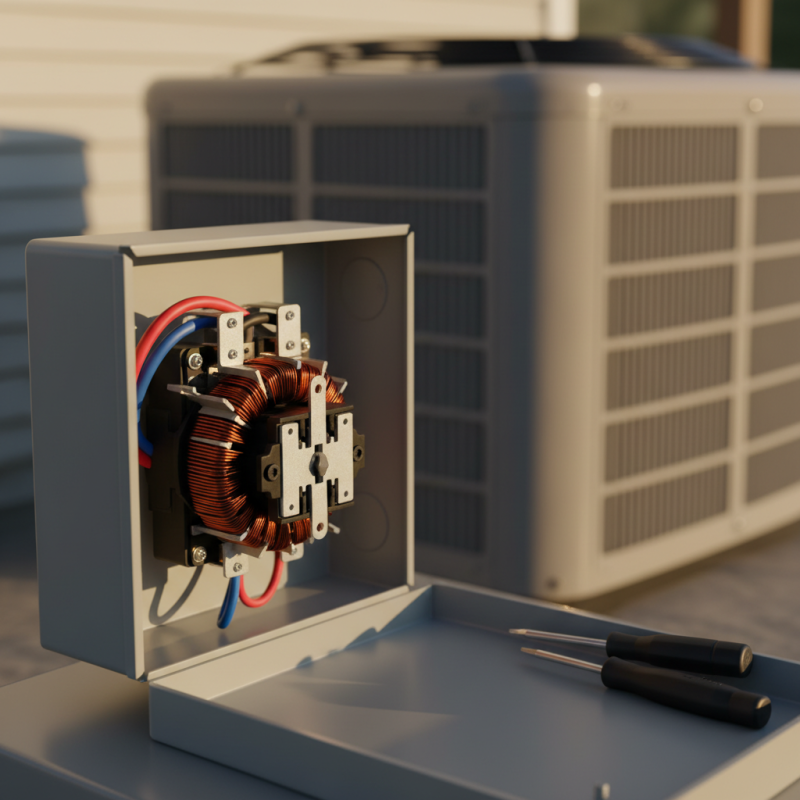
Understanding Air Conditioning Contactors: Key Functions Explained
Air conditioning contactors play a crucial role in your HVAC system’s efficiency. These electrical components control the flow of power to the compressor and fan motor. Understanding how they work can help you choose the right one for your needs. Contactors act as switches, turning the system on and off as per the thermostat’s demand. Being aware of their function allows you to monitor your HVAC system effectively.
When selecting a contactor, consider factors like amperage rating and coil voltage. Ensure that the contactor matches your unit’s specifications to avoid electrical issues. A mismatch can lead to overheating and reduce the lifespan of your air conditioning system. Regular maintenance is essential. Check the contactor for wear or corrosion. Minor signs can lead to significant failures over time.
Tips: Always keep your contactor clean and free from debris. A dirty contactor can hinder performance. Consider replacing it if you notice frequent cycling issues. Additionally, investing in a contactor with a time delay feature can improve efficiency. It prevents short cycling, which can wear down the system quickly. Understanding these aspects can help maintain your air conditioning system effectively.
Types of Air Conditioning Contactors: Matching Your System Requirements
When selecting an air conditioning contactor, understanding the types available is crucial. Air conditioning contactors function as electromagnetic switches. They control power to the compressor and other major components. The right choice depends on your system’s specifications.
Residential systems often require a standard single-pole or double-pole contactor. According to the Air-Conditioning, Heating, and Refrigeration Institute (AHRI), these contactors come in various amperage ratings, typically ranging from 20 to 60 amps. Ensure that the chosen contactor matches your unit’s requirements to avoid efficiency drops.
Commercial systems may need heavy-duty contactors. These can handle higher loads, often exceeding 100 amps. The National Electrical Manufacturers Association (NEMA) emphasizes the importance of proper sizing. An undersized contactor can lead to overheating and premature failures. Understanding the specific needs of your system is vital in making an informed choice. Many users overlook this, resulting in higher repair costs. Take the time to analyze your needs thoroughly before making a purchase.
Evaluating Air Conditioning Contactors: Capacity and Voltage Ratings
When selecting an air conditioning contactor, understanding capacity and voltage ratings is crucial. Contactors control the power flow to your AC unit. The right specs ensure efficiency and longevity. A report by the American Society of Heating, Refrigerating and Air-Conditioning Engineers (ASHRAE) emphasizes the importance of choosing contactors that match your system's requirements.
Consider the voltage rating. Most residential systems operate at 24 volts. However, commercial units may require 480 volts. Failing to match these ratings can lead to premature contactor failure. Diagnostic studies show that incorrect ratings are a leading cause of equipment malfunction. Capacity ratings also matter. A contactor’s amperage should align with the AC system's demands. Overloading may cause overheating, reducing lifespan.
Many users overlook these specifications. Often, individuals choose contactors based solely on price or availability. However, this approach can incur higher costs over time due to replacements and repairs. It’s a good practice to consult with HVAC professionals. Their experience can guide you to select the optimal components for your specific needs. Your air conditioning efficiency depends on it.
Top Brands and Models: Industry Standards and Performance Reviews
When it comes to air conditioning contactors, users face a variety of choices. Industry standards often highlight the importance of performance and reliability. According to a **2022 HVAC Market Report**, effective contactors should operate without failure for at least 10,000 cycles. This statistic speaks volumes about quality and durability in the field.
Specific models are recognized for their thermal overload protection. This feature is essential for preventing equipment damage. For instance, a contractor that can handle at least 40 amps without burnout is often deemed effective. Many industry professionals rely on performance reviews from sources like **Energy Star** to assess those features. However, not all models live up to the claims. Some products may overheat, becoming a safety concern.
User feedback can sometimes reveal discrepancies between expected and actual performance. It’s crucial to consider these insights when selecting a model. Reports suggest that around 30% of users experienced issues within the first year of use with specific brands. This highlights the need for diligent research. Performance reviews serve as valuable resources, yet they must be weighed against real-world experiences to make an informed decision.
Installation and Maintenance Tips for Prolonging Contactor Lifespan
When it comes to air conditioning systems, the contactor plays a vital role in its operation. Regular maintenance is essential to prolong its lifespan. Start by ensuring the contactor is clean and free of debris. Dust and dirt can hinder its performance. Use a soft brush or cloth to clean the surfaces. This small step can make a significant difference.
Inspect the contactor's electrical connections periodically. Loose wires can cause overheating and even system failure. Tighten any loose connections carefully. Additionally, consider checking the contactor's coil for signs of wear. A quick visual inspection can save you from unexpected breakdowns later. Timing is everything; don't wait for it to fail.
Lastly, remember that regular system checks by a qualified technician are crucial. They can identify potential issues early on. Relying solely on DIY maintenance might overlook underlying problems. Investing in professional help can lead to a more reliable air conditioning system. Prioritize these maintenance tips for a longer-lasting contactor and improved performance.
What is the Best Air Conditioning Contactor for Your Needs?
| Contactor Type | Voltage Rating | Current Rating | Suitable Applications | Maintenance Tips |
| Electromechanical Contactor | 120V / 240V | 30A | Residential AC Units | Regular cleaning and inspection |
| Solid State Contactor | 240V / 480V | 50A | Commercial HVAC Systems | Minimize dust exposure |
| Magnetic Contactor | 120V / 480V | 100A | Industrial Equipment | Lubricate moving parts annually |
| Reversing Contactor | 240V | 30A | Heat Pumps | Check contacts for wear periodically |