What Are the 2026 Top Metal Workshop Types for Buyers?
In 2026, buyers are looking beyond machines, floor space, and impressive production videos. They want a metal workshop that solves practical problems reliably. CNC machining shops remain strong choices for tight tolerances, repeatable parts, and small-to-medium production runs. Sheet metal workshops attract buyers needing enclosures, brackets, cabinets, and clean folded panels. Welding and repair workshops still matter, especially for agricultural equipment, industrial frames, and urgent maintenance work.
Details reveal capability. Look for calibrated measuring tools, organized material storage, documented inspection steps, and visible safety practices. Ask how the workshop handles design changes, surface finishing, delivery delays, and rejected parts. A modern hybrid workshop may combine CNC cutting, laser processing, welding, 3D printing, and assembly. That flexibility can reduce supplier coordination. It may also create quality gaps if staff lack depth in one process.
Quality is built into the process.
W. Edwards Deming, a leading manufacturing quality expert, said, “Quality comes not from inspection, but from the improvement of the production process.” His principle remains useful when comparing 2026 suppliers. The best metal workshop is not automatically the largest or newest. It should match your material, tolerance, volume, budget, and timeline. Some buyers may overvalue automation. Others may ignore communication until problems appear. That is a mistake worth admitting. No ranking fits every project. This guide examines the leading workshop types, their strengths, limitations, equipment, and buyer suitability, so purchasing decisions can become more practical, transparent, and defensible.
What Defines a Metal Workshop and Its Main Functions
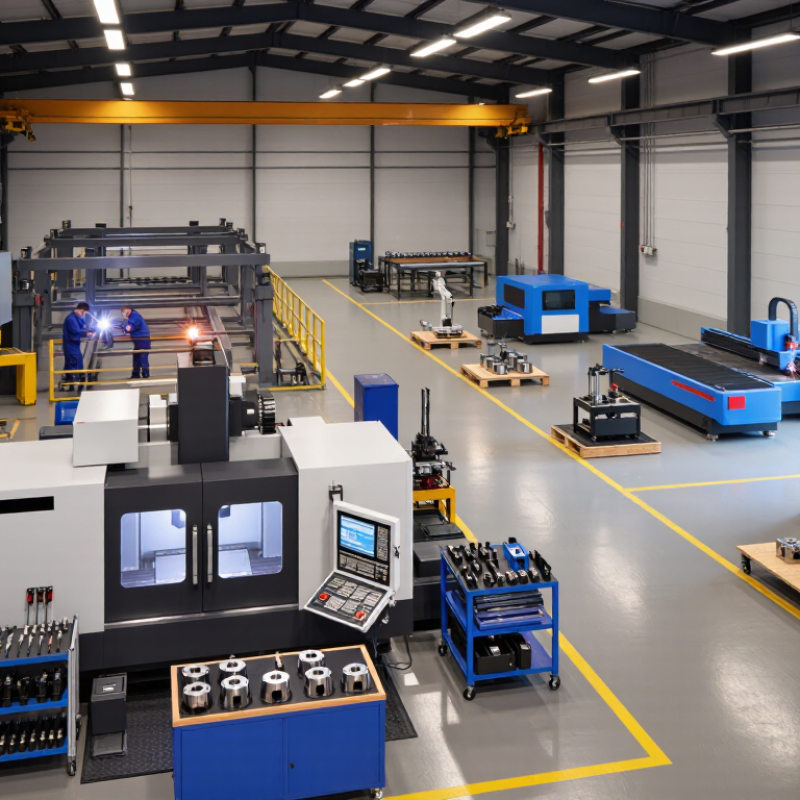
A metal workshop is a practical production space where metal is measured, cut, shaped, joined, finished, and checked. It may serve a small repair order or a repeat industrial contract. Its core function is controlled transformation. Precision matters. Raw plate, tube, bar, or wire enters; a usable component leaves. In 2026, buyers may compare fabrication shops, CNC machining workshops, sheet-metal facilities, welding workshops, and maintenance-focused workshops. The right type depends on tolerance, material, quantity, and delivery expectations.
A fabrication workshop often uses saws, press brakes, drills, rollers, and welding stations. It builds frames, guards, platforms, brackets, and custom assemblies. A CNC workshop focuses on repeatable dimensions, digital drawings, and measured surface quality. Sheet-metal work relies on accurate bending and clean edges. Welding workshops concentrate on joint preparation, heat control, and visual inspection. Maintenance workshops handle worn parts, alignment problems, and urgent repairs, although their schedules can change quickly.
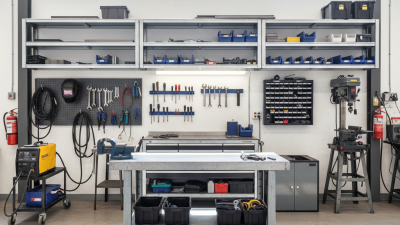
From practical buying experience, the equipment list is only part of the evidence. Ask how operators verify dimensions, record material grades, protect finished surfaces, and manage revisions. A reliable workshop can explain its inspection method without vague promises. Photos of calipers, fixtures, weld preparation, and labeled storage reveal more than polished claims. No workshop performs perfectly; even a careful team can miss a drawing note. Errors become expensive. Clear approvals, sample checks, and honest communication matter before production begins. Buyers should also review capacity, operator experience, safety practices, and realistic lead times.
Which Metal Workshop Types Are Leading Buyer Choices in 2026
In 2026, CNC metal fabrication workshops are leading buyer choices for accurate, repeatable production. Buyers often need tight dimensions, clean edges, and consistent batches. A well-equipped workshop can produce brackets, frames, panels, and machine parts with less material waste. Many buyers now inspect machining records, calibration dates, and sample finishes before placing larger orders. Practical proof matters more than polished promises.
Sheet metal workshops remain highly popular for enclosures, cabinets, ducts, and lightweight structural parts. Their strongest advantage is flexibility. Laser cutting, bending, deburring, and surface treatment can happen within one workflow. Buyers appreciate shorter communication chains. They also ask about corner quality, hole alignment, packaging, and delivery protection. Small details decide repeat orders.
Welding and custom metal fabrication workshops attract buyers with unusual dimensions or limited production runs. These projects may include platforms, frames, guards, and repair-ready assemblies. Experienced buyers check weld appearance, joint preparation, material certificates, and inspection procedures. A workshop should explain its limits clearly. That honesty is valuable.
Not every workshop performs equally well.
Some suppliers overstate capacity or underestimate finishing time. Buyers are becoming more cautious about that gap. In my view, the leading workshop type is not always the largest one. It is the workshop that documents measurements, communicates changes quickly, and adapts without hiding mistakes. This standard is harder to maintain, but it builds dependable purchasing decisions in 2026.
What Factors Should Buyers Compare Before Choosing a Workshop
What Are the 2026 Top Metal Workshop Types for Buyers?
Buyers in 2026 can choose CNC machining workshops, precision sheet-metal shops, structural fabrication teams, and modular assembly facilities. Each type serves a different production problem. CNC workshops suit tight tolerances and repeat parts. Sheet-metal shops handle enclosures, brackets, panels, and short production runs. Structural teams focus on frames, platforms, and heavy welded sections. Modular facilities can reduce site labor when assemblies arrive partly completed. The right category depends on geometry, volume, material, and installation conditions. Not the cheapest quote.
Compare equipment against your actual drawings, not a sales checklist. Ask about cutting thickness, bending length, machining travel, welding processes, and inspection tools. A workshop should explain its tolerance limits in writing. Request sample reports, material certificates, weld inspection records, and a clear revision process. Check whether operators measure parts during production or only at the end. That difference can affect rework. Also compare lead times with realistic capacity. A five-day promise means little if your order waits behind larger contracts. Visit the floor when possible. Look for labeled material racks, clean measurement areas, and protected finished parts.
Price needs a closer reading.
Compare tooling, finishing, packaging, freight, setup, and changes after approval. Ask how scrap and urgent revisions are handled. Communication matters too. Can one engineer answer technical questions quickly? A reliable workshop flags a weak joint or impossible bend before cutting metal. That honesty may delay the first sample, but it can prevent a costly batch error. I would still leave room for doubt. A neat facility can miss details, while a modest shop can deliver excellent work. Use references, test a small batch, and record every assumption before signing.
How to Select the Right Metal Workshop for Long-Term Value
In 2026, buyers can choose from general fabrication shops, CNC-focused workshops, welding facilities, and modular metal workshops. Each type serves a different purpose. A general shop may handle frames, brackets, and repairs efficiently. CNC workshops suit projects needing repeatable dimensions and clean finishes. Modular facilities can reduce installation time, but their standard sizes may limit design flexibility.
Selecting the right metal workshop requires more than comparing hourly rates. Check its experience with your material, thickness, tolerances, and expected production volume. Ask for sample drawings, inspection records, and details about surface treatment. A reliable workshop should explain how it controls warping, corrosion, and dimensional errors. Request a clear quotation, including tooling, delivery, revisions, and maintenance support. Hidden costs matter.
Visit the workshop when possible. Look at storage conditions, measurement equipment, ventilation, and worker practices. Small details reveal a lot. Speak with the technical contact, not only the salesperson. Can they identify a design weakness before production? Can they suggest a stronger joint without increasing unnecessary weight? These answers show practical expertise. I have also learned that polished facilities can still miss deadlines, while smaller workshops may provide better communication. That judgment is imperfect. Buyers should verify references, inspect a trial piece, and leave room for realistic lead times. Long-term value comes from dependable performance, not a low first invoice.