2026 Top Types of Metal Louvers for Global Buyers
Choosing metal louvers is no longer a purely aesthetic decision. They help manage sunlight, airflow, privacy, and rain exposure across commercial and industrial façades. The UNEP Global Status Report for Buildings and Construction 2024 reports that buildings accounted for 32% of global energy use and 34% of energy-related carbon dioxide emissions in 2023. These figures describe the wider building sector, not the savings louvers alone can deliver. Still, they explain why façade choices deserve careful scrutiny.
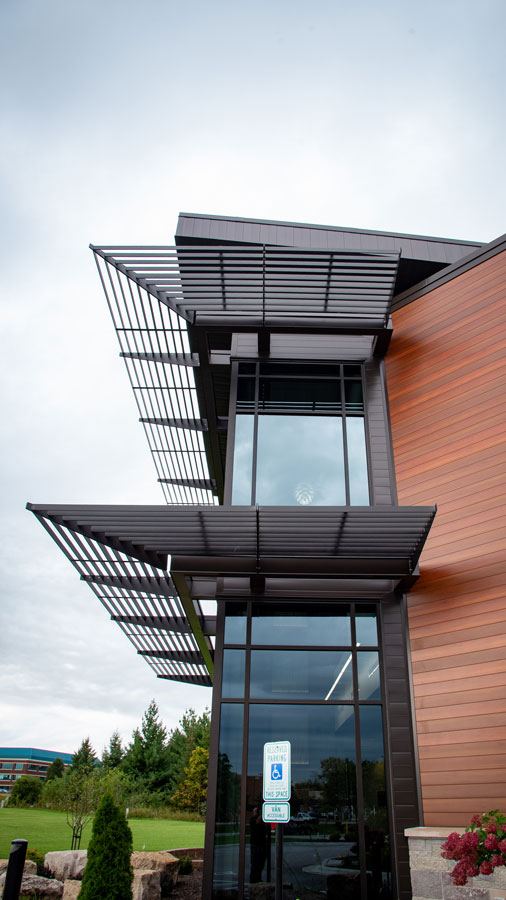
Architect Louis Kahn said, “A room is not a room without natural light.” Louvers can shape that light, but their performance depends on blade angle, spacing, material, finish, and installation. A fixed aluminum system may suit a coastal office façade, while adjustable blades may better serve a space with changing sun exposure. There is no universal winner.
This guide compares common metal louvers for global buyers, including fixed, adjustable, decorative, and weather-resistant types. It considers durability, ventilation, maintenance, and project fit—not just catalogue claims. A detail worth questioning: “low maintenance” does not mean maintenance-free. Dust gathers on horizontal blades, and salt-laden air can challenge poorly specified finishes. Buyers should check product data, test methods, and local project conditions before comparing quotations. The right choice is often less dramatic than expected. It is the one that performs reliably on the actual building.
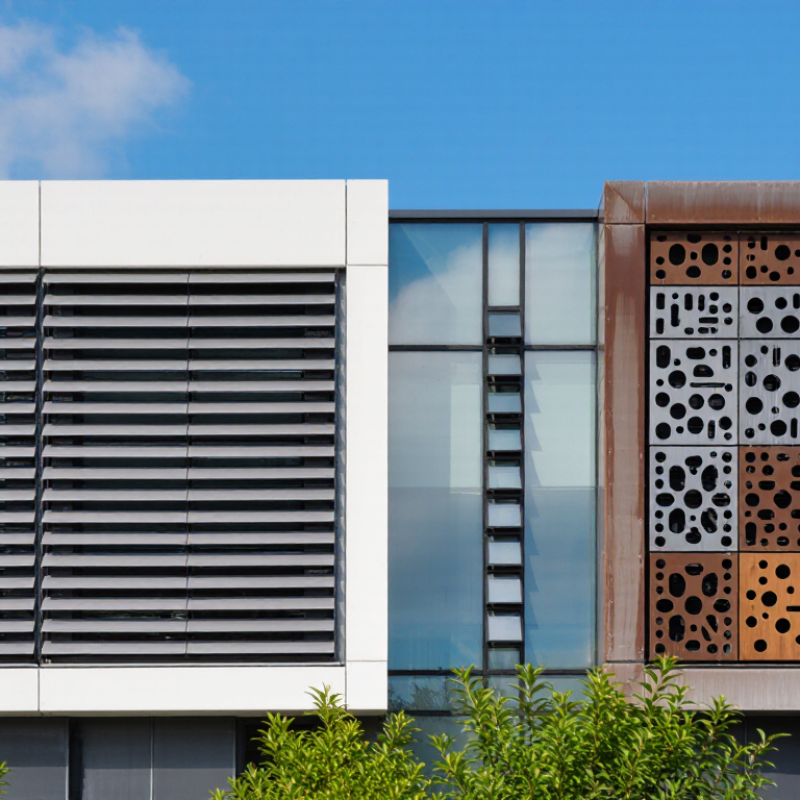
What Metal Louvers Are and How They Function
Metal louvers are assemblies of angled metal blades set within a frame.
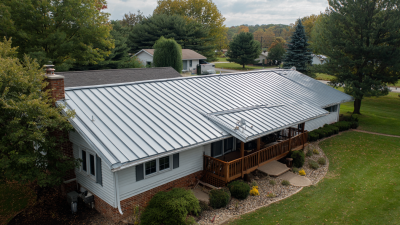
They are fitted to wall openings, doors, or mechanical equipment enclosures. Their job is to let air pass while reducing direct exposure to rain, sunlight, debris, or view. Some blades remain fixed; others pivot to adjust airflow. Exterior louvers may use aluminum or galvanized steel, but the right material depends on corrosion exposure, strength needs, and finish.
Not a sealed barrier.
As air reaches the blades, it passes through the openings between them. Blade angle, spacing, depth, and free area affect airflow and resistance. For ventilation openings, compare required airflow with pressure drop rather than choosing by face size alone.
A louver that looks wide from the pavement may have limited open area once its frame and blades are counted.
Small details matter.
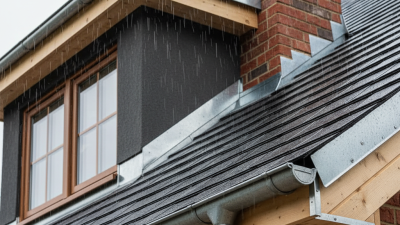
Drainable blade shapes and a sill can direct water outward, though results depend on wind, rain, installation, and maintenance.
A louver can screen a fan or condenser while allowing service access. It is tempting to treat every louver as a simple cover, but that assumption may lead to poor ventilation or water entry.
Check product data against actual project conditions.
Main Types of Metal Louvers Available in 2026
Main Types of Metal Louvers Available in 2026
Metal louvers in 2026 range from simple fixed blades to adjustable systems designed for changing airflow needs. Fixed louvers hold a set angle, making them a practical choice for equipment screens, façades, and ventilation openings. Blade depth and spacing affect both airflow and how much rain or direct sunlight can pass through. Small details matter.
Adjustable louvers use movable blades to regulate ventilation, daylight, or privacy. They may be operated by hand or linked to a control system. Drainable models include channels that guide water away from the opening, while sightproof designs use overlapping blades to limit direct views. These functions can overlap, but performance depends on the complete assembly, not just the blade shape.
Material choice also defines the options. Aluminum is lightweight and commonly suited to exterior applications; galvanized steel offers a sturdy alternative, while stainless steel may be selected where corrosion resistance is important. Acoustic louvers add sound-absorbing components, often increasing depth and weight. Check free area, pressure drop, finish, and local wind exposure against project requirements. A louver can look right on a drawing and still restrict too much airflow; specifications deserve a second look.
How Louver Materials and Blade Designs Differ
Metal louvers differ in both material and blade geometry, and those choices affect service life, airflow, and rain protection. Aluminum is light and easy to form, making it practical for large façade openings. It resists ordinary weathering, but thin blades can flex under strong wind loads. Stainless steel offers greater strength and corrosion resistance, though its added weight can require sturdier frames. Galvanized steel is often selected for its balance of strength and cost. Its protective coating still needs careful inspection where edges are cut or fasteners meet.
Blade shape matters just as much. Flat blades provide a clean appearance and straightforward airflow, while curved or drainable blades can help direct wind-driven rain away from an opening. Narrow blade spacing may improve screening, but it can also restrict ventilation. That trade-off is easy to miss on a drawing. Small details matter. Buyers should compare free area, design wind pressure, finish, and maintenance access for the actual installation conditions. A louver tested in one configuration may perform differently with another frame or blade pitch. There is no universal best option; even a well-chosen material can disappoint if water drainage or fixing details are overlooked.
Where Each Type of Metal Louver Is Commonly Used
Fixed-blade metal louvers are common on plant rooms, loading areas, and exterior equipment screens. Their angled blades admit airflow while limiting direct sightlines and some rain entry. They suit openings where ventilation needs remain steady. Blade pitch and drainage details affect performance during wind-driven rain.
Adjustable-blade louvers are used in workshops, kitchens, and mechanical rooms where airflow may need frequent control. Operators can change the opening as equipment loads shift. Moving parts need access and periodic inspection. Easy to overlook. In dusty spaces, joints can collect grime and become harder to operate.
Perforated metal louvers often appear on façades, parking structures, and rooftop screens, combining visual screening with ventilation. Their repeated openings create a uniform look, though the usable airflow area may be lower than expected.
Expanded-metal panels commonly screen air-conditioning units, service yards, and industrial enclosures. They allow broad airflow and visibility, but may offer less privacy. For coastal or humid sites, material grade and coating should suit local exposure. Cleaning access can complicate even a well-chosen installation.
How Global Buyers Can Compare and Select Metal Louvers
2026 Top Types of Metal Louvers for Global Buyers
Selecting metal louvers starts with the building’s actual needs, not a catalog image. Fixed-blade louvers offer a simple, durable option for steady ventilation. Adjustable blades allow airflow control, but their moving parts need periodic inspection. Screen-style or weather-resistant designs can help limit rain entry, though performance depends on blade shape, spacing, and wind exposure. Ask suppliers for tested data, including free area and pressure drop. Details matter.
Tips: Compare aluminum, galvanized steel, and stainless steel against the site’s moisture and corrosion conditions. Check blade depth, finish, frame dimensions, and how the unit attaches to the wall. Request drawings before ordering; small measurement gaps can complicate installation.
For each shortlisted type, balance airflow, weather protection, appearance, and maintenance access. A dense blade layout may improve rain resistance while reducing airflow. There is no universal best choice, and product ratings may not reflect every façade condition. Confirm project requirements with the design team, then compare test reports using the same criteria. Inspect sample edges and coating consistency, too. I have seen specifications focus heavily on airflow while overlooking cleaning access. That trade-off deserves a closer look.